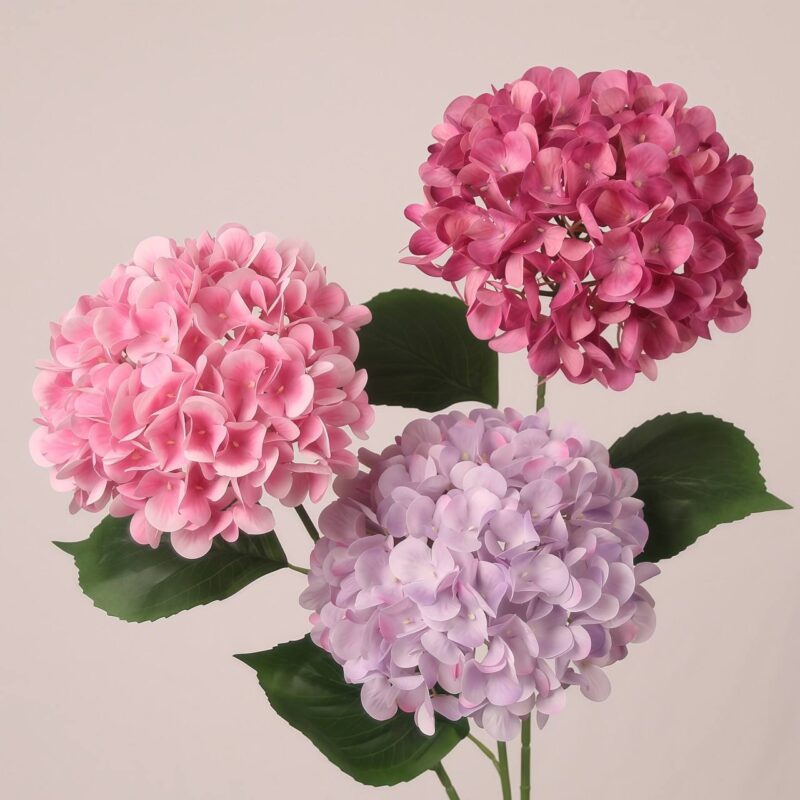
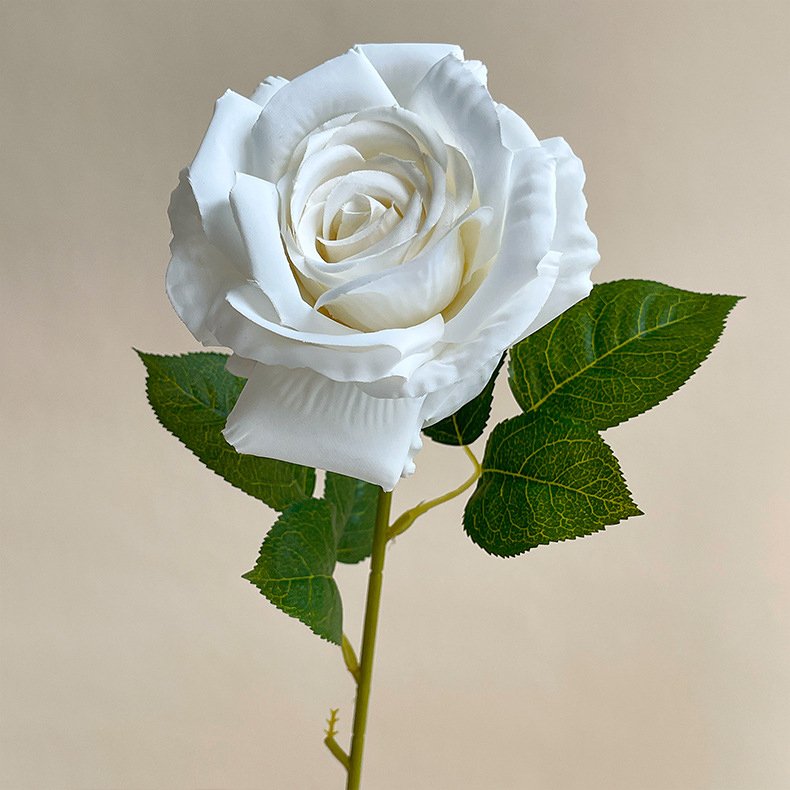
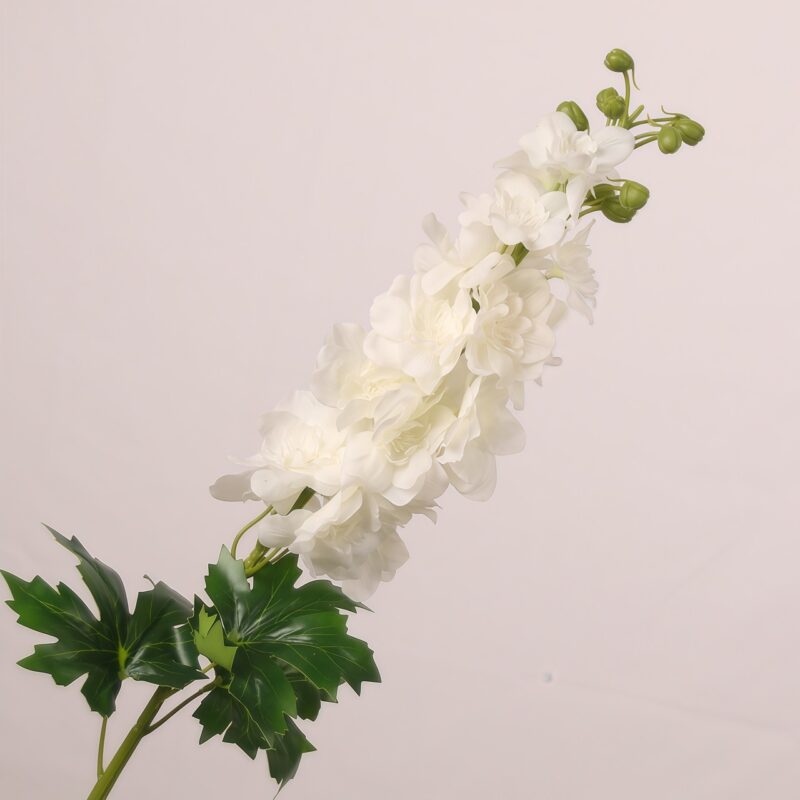
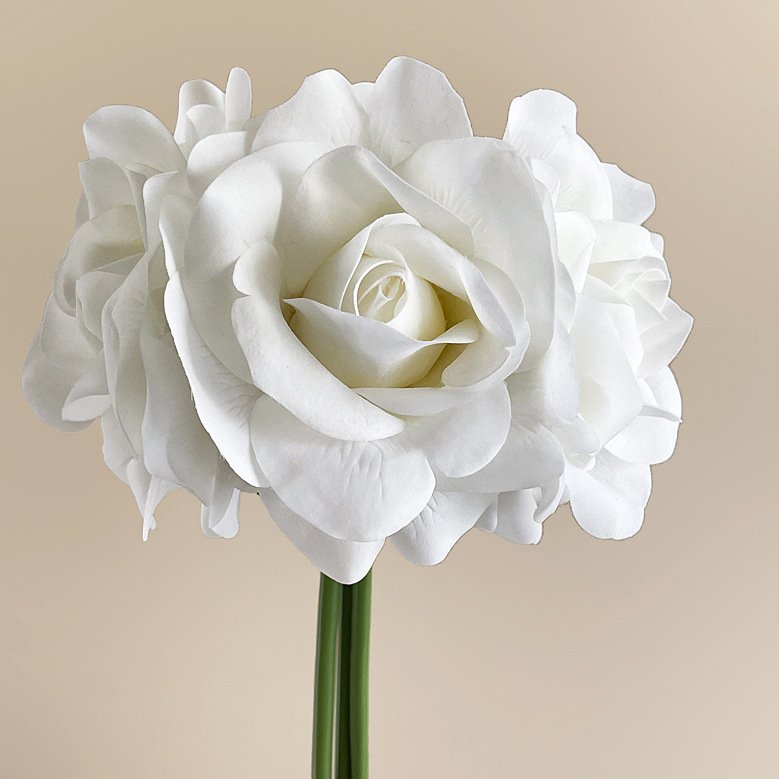
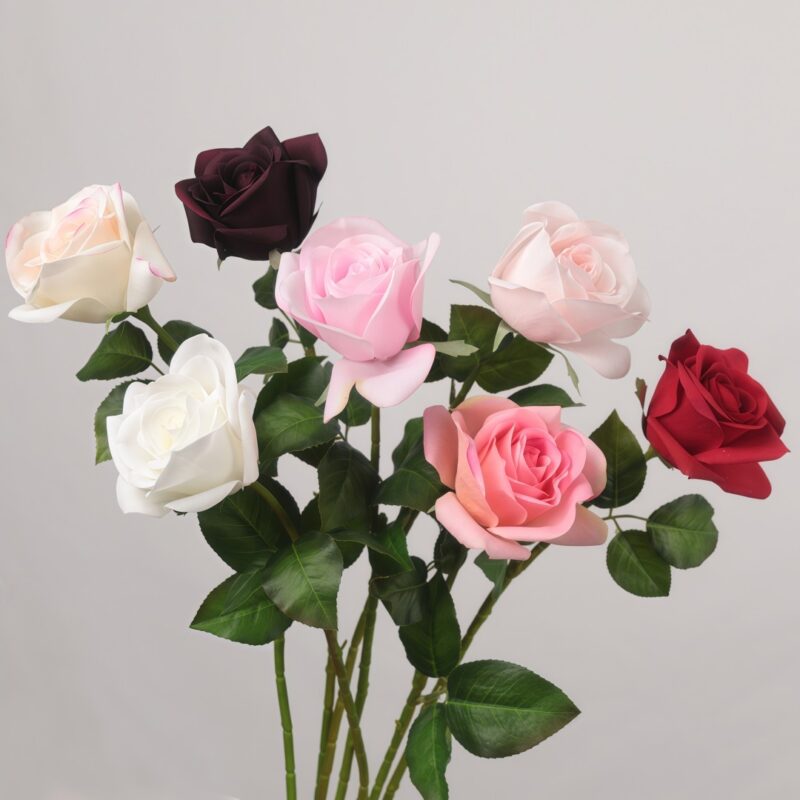
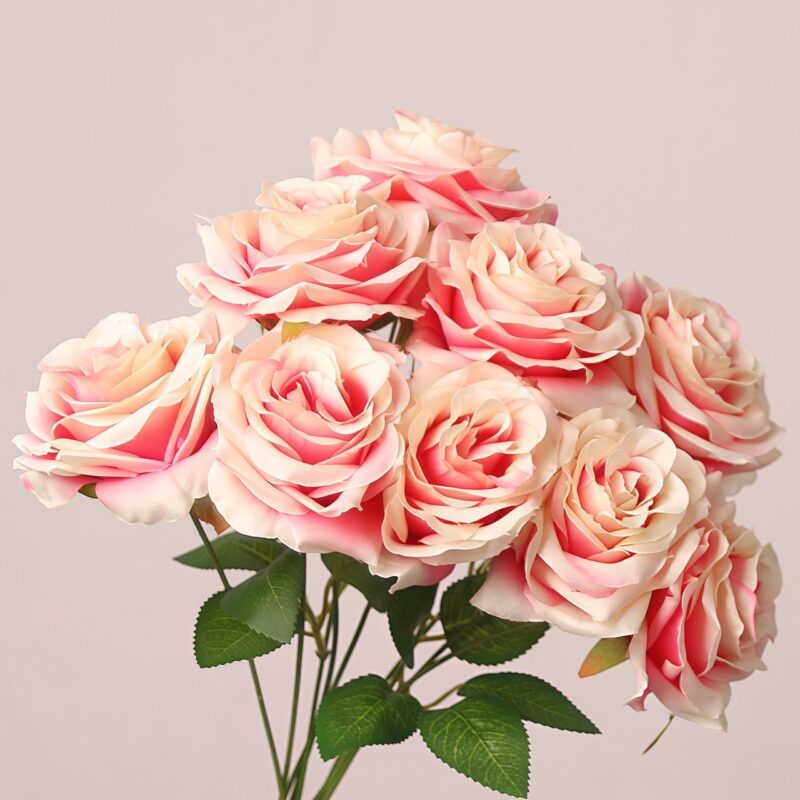
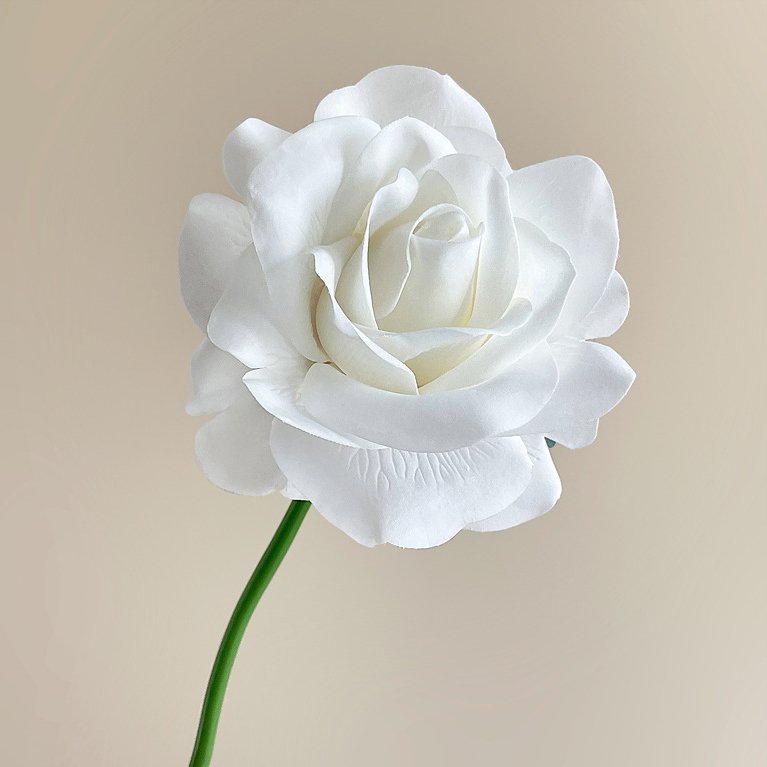
Quick answer: Artificial flowers work best for home decor when you choose natural colors, match the arrangement size to the room, use the right vase, add greenery, and place flowers where they support the space instead of overwhelming it.
Artificial flowers are no longer only for weddings and events. They are also useful for everyday home decor because they stay fresh-looking, require little maintenance, and can be restyled across seasons.
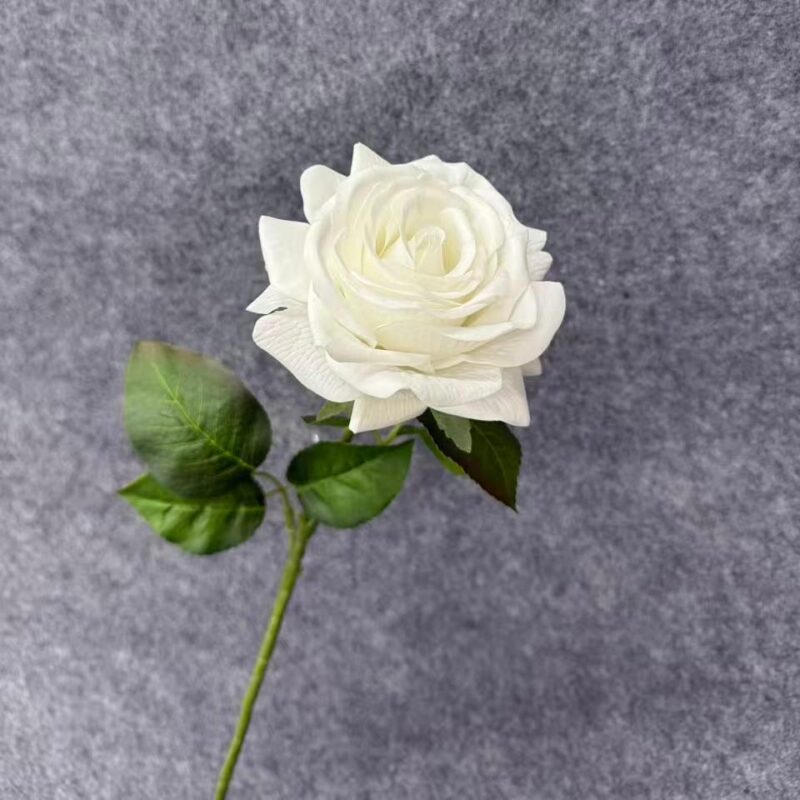
The key is choosing the right flowers for each room. A large floral arrangement may look beautiful on an entry table, but too heavy on a small bedside table. A soft real touchrose may work well in a bedroom, while greenery stems may look better on a bookshelf or kitchen counter.
This guide explains how to use artificial flowers for home decor room by room, with practical styling tips for living rooms, dining tables, bedrooms, entryways, shelves, bathrooms, and seasonal displays.
The best home arrangement is not always the biggest one. It is the one that fits the room, the surface, the lighting, and the mood.
1. Start With the Room Style
Before choosing flowers, look at the room itself.
A modern room may need clean lines, neutral colors, and simple greenery. A romantic room may work better with roses, peonies, ranunculus, or hydrangeas. A farmhouse or rustic room may look better with wildflower-style stems, eucalyptus, olive leaves, or muted seasonal colors.
Ask three questions:
Is the room formal or casual?
Are the colors warm, cool, neutral, or bold?
Should the flowers become a focal point or a soft accent?
If the room already has many patterns, choose simpler flowers. If the room is plain, a fuller arrangement can add warmth and detail.
2. Choose Natural Colors for a More Realistic Look
Color is one of the easiest ways to make artificial flowers look better at home.
Soft, natural colors usually work well:
Ivory
Cream
Blush
Champagne
Dusty rose
Mauve
Sage green
Olive green
Soft peach
Burgundy
Terracotta
Avoid overly shiny flowers or colors that look too flat. Bright white, neon pink, and very saturated red can look artificial if the material is not high quality.
For most home decor, muted tones are easier to style. They blend with furniture, curtains, rugs, wall colors, and natural light.
The living room is often the best place for a larger artificial flower arrangement. It has more visual space, and flowers can help soften hard furniture lines.
Good living room placements include:
Coffee table
Console table
Fireplace mantel
Side table
Media cabinet
Window area
Bookshelf
For coffee tables, keep the arrangement low enough so it does not block the view. For console tables, taller stems can work well because the wall behind them creates a natural backdrop.
Living rooms usually look better when flowers are not too perfect. Mix bloom sizes, bend stems slightly, and let greenery extend beyond the flowers.
4. Dining Table Artificial Flower Ideas
Dining table flowers should be beautiful but practical. If the arrangement is too tall, it can block conversation. If it is too wide, it can crowd plates, glasses, and serving dishes.
For everyday dining tables, try:
A low floral bowl
A slim vase with a few stems
A long arrangement with greenery
Small bud vases placed along the table
Seasonal flowers mixed with simple leaves
For formal dining rooms, roses, peonies, hydrangeas, orchids, and real touch flowers can create a polished look. For casual dining areas, greenery and smaller blooms may feel more natural.
If you host often, artificial flowers are useful because the table can stay styled without last-minute fresh flower shopping.
5. Bedroom Artificial Flower Ideas
Bedroom flowers should feel calm, soft, and personal. This is usually not the place for oversized arrangements unless the room is large.
Good bedroom choices include:
Small roses on a nightstand
Real touch tulips on a dresser
Soft peonies in a ceramic vase
Lavender-style stems for a relaxed mood
Minimal greenery near a mirror or vanity
Avoid flowers that are too bright or too large for the space. Bedrooms usually look better with softer colors such as ivory, blush, champagne, dusty pink, mauve, and sage green.
Real touch flowers can work especially well in bedrooms because they are often seen up close.
The entryway is where guests first see the home. Artificial flowers can create a strong first impression because they stay in place and keep their shape.
For entry tables, consider:
Tall branches or stems
A full seasonal arrangement
Greenery with a few focal flowers
A large ceramic or stone vase
Matching flowers with nearby wall art or mirrors
Entryway flowers can be taller than dining table flowers because they do not need to leave space for conversation. A mirror behind the arrangement can make the display look fuller.
If the entryway is narrow, choose a slim vase and taller stems instead of a wide arrangement.
7. Kitchen Artificial Flower Ideas
Kitchen flowers should feel fresh and simple. Heavy arrangements can look out of place if the kitchen is busy or small.
Good kitchen options include:
Small white flowers
Greenery stems
Faux herbs
Olive branches
Eucalyptus
Simple tulips
Mini arrangements near a window
Avoid placing artificial flowers too close to heat, steam, or cooking oil. A kitchen counter, breakfast nook, or open shelf is usually better than the area beside a stove.
For a clean kitchen look, choose one simple vase instead of several competing arrangements.
8. Bathroom Artificial Flower Ideas
Bathrooms often need small, moisture-friendly decor. Artificial flowers are useful because they do not need sunlight or water.
Good bathroom choices include:
Small orchids
Greenery stems
White flowers
Compact bud vases
Faux eucalyptus
Minimal arrangements on shelves
Keep the arrangement simple. Bathrooms usually have limited space, so one clean accent is better than a large floral display.
If the bathroom has marble, stone, white tile, or neutral colors, soft greenery and white flowers can make the space feel fresher.
9. Bookshelf and Shelf Styling
Artificial flowers can help shelves look less rigid. Books, boxes, and frames can create many straight lines. Flowers and greenery add movement.
For shelves, use:
Small bud vases
Single stems
Trailing greenery
Mini arrangements
Dried-look faux flowers
Small real touch blooms
Do not fill every shelf with flowers. Leave space around the arrangement so it looks intentional.
A good shelf formula is: books, one object, one small floral or greenery accent.
10. Seasonal Home Decor With Artificial Flowers
Artificial flowers are useful for seasonal decorating because they can be stored and reused.
Spring styles may use tulips, cherry blossoms, peonies, ranunculus, and soft greenery. Summer decor may use brighter flowers, hydrangeas, wildflowers, and fresh green leaves. Fall decor may use terracotta, burgundy, rust, cream, and dried-look stems. Winter decor may use white flowers, evergreen branches, berries, pine, and champagne tones.
Seasonal flowers can be used in:
Dining centerpieces
Entryway displays
Mantels
Console tables
Kitchen islands
Holiday tables
Party backdrops
The advantage is reuse. You can store seasonal artificial flowers and restyle them each year.
The vase can make artificial flowers look more expensive or less realistic.
Good vase options include:
Ceramic vases
Glass vases
Stone-look vases
Matte metal vases
Woven baskets
Neutral pottery
Tall narrow vessels
Low bowls
If the stems look artificial, avoid clear glass unless you hide the stems with stones, moss, decorative filler, or water-look resin.
The vase should match the arrangement. Tall stems need a taller vase. Full flowers need a stable base. Small bedside flowers usually look better in a compact vase.
12. Keep Arrangements Simple and Natural
One common mistake is using too many flowers in one place. More flowers do not always make a room look better.
For home decor, realistic styling often means:
Fewer stems
Better spacing
Natural angles
Mixed greenery
Soft color variation
A vase that fits the room
One clear focal point
Artificial flowers should support the room. They should not look like a store display unless that is the intended style.
13. How to Care for Artificial Flowers at Home
Artificial flowers are low maintenance, but they still need light care.
Simple care tips:
Dust regularly with a soft cloth or brush
Use low-pressure air for delicate petals
Keep flowers away from long-term direct sunlight
Store seasonal stems in clean, dry boxes
Avoid crushing petals during storage
Reshape flowers after unpacking or moving
Good care helps artificial flowers keep their color, shape, and realistic look longer.
14. When to Choose Premium Artificial Flowers
Not every home arrangement needs the most expensive flowers. But premium flowers are worth considering when the arrangement is seen up close.
Use better materials for:
Bedroom vases
Dining table centerpieces
Coffee table arrangements
Entryway statement pieces
Close-up photography
Luxury home staging
Retail displays
For large background areas, you can mix premium flowers with more affordable greenery and filler stems.
The most overlooked economics of artificial wedding flowers is what happens the week after.
Fresh arrangements are finished by Sunday. Faux pieces are not, and they break down into home decor more easily than most couples expect:
A bridal bouquet, untied, becomes a vase arrangement — usually 12 to 18 stems, which fills a 4 to 5 inch opening
Arch and backdrop garlands, cut into sections, become a mantel run, a console piece, or a stair rail
Centerpieces move as-is to dining tables, and reappear for birthdays, showers, and holidays
Aisle markers are usually the right scale for an entry console or a bathroom vanity
Two practical notes. Pieces built into floral foam do not survive the transition — build with vessels or modular mechanics if you intend to reuse them, as covered in how to repurpose ceremony flowers. And store them boxed rather than standing, or the first thing you will do at home is reshape them.
Related NB8 Floral Guides
Use these related guides to choose and style artificial flowers with better results:
Artificial flowers can make home decor easier, warmer, and more flexible. They stay beautiful without daily care, and they can be reused across rooms, seasons, and occasions.
The best results come from choosing the right flowers for the right space. Use natural colors, realistic materials, suitable vases, simple styling, and room-by-room placement. A small arrangement in the right place often looks better than a large arrangement that does not fit the room.
For living rooms, dining tables, bedrooms, entryways, kitchens, bathrooms, and shelves, artificial flowers can add softness, color, and structure while keeping maintenance simple.
FAQ
Are artificial flowers good for home decor?
Yes. Artificial flowers are good for home decor because they stay fresh-looking, require little maintenance, and can be reused in different rooms and seasons.
What artificial flowers look best at home?
Soft roses, peonies, hydrangeas, tulips, orchids, real touch flowers, eucalyptus, olive branches, and mixed greenery often work well for home decor.
How do I make artificial flowers look natural in a vase?
Choose a vase that fits the stem height, bend the stems slightly, vary the flower heights, add greenery, and avoid arranging every flower in the same direction.
Where should I place artificial flowers at home?
Good places include coffee tables, dining tables, entry consoles, mantels, bookshelves, bedside tables, bathroom shelves, kitchen counters, and home office desks.
How often should I clean artificial flowers?
For normal home decor, dust artificial flowers every few weeks or whenever they look dull. Store seasonal flowers in clean, dry boxes when not in use.
Can wedding artificial flowers be reused at home?
Yes, and it is easier if it was planned. Bouquets untie into vase arrangements, garlands cut into mantel and console runs, and centerpieces move as-is. The constraint is the mechanics, not the flowers: anything built into floral foam is effectively single-use, while vessel-based and modular pieces move without damage.
NB8 Floral supplies wholesale artificial flowers to florists, event professionals, and retailers in the US. Our guides are written from what we see in production, QC, and customer orders.
The most common way to end up disappointed with faux flowers is to buy too few. Six stems that looked generous in the product photo arrive, go into a vase, and produce something thin and apologetic th