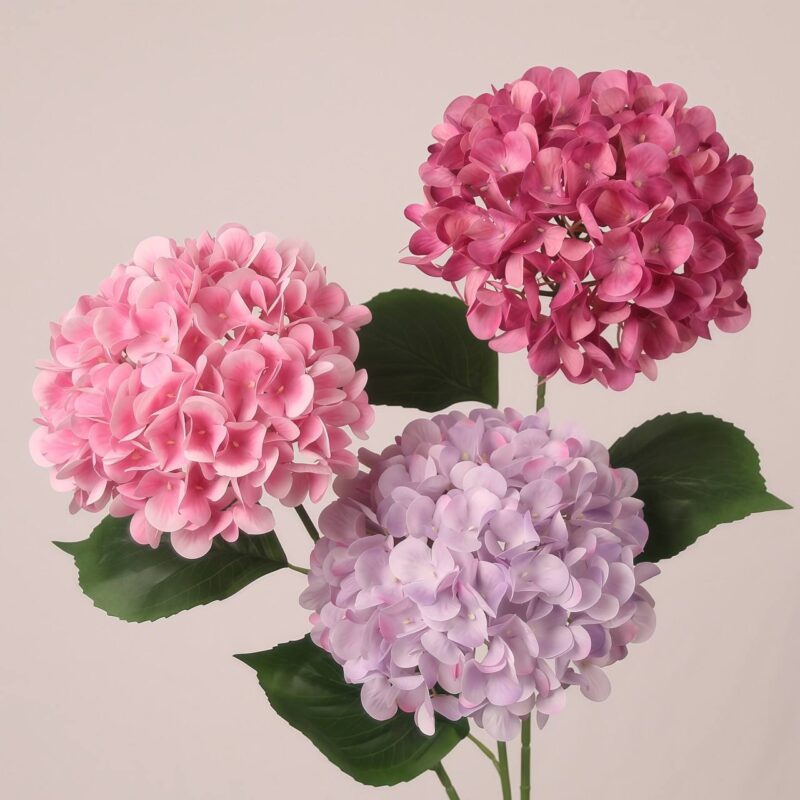
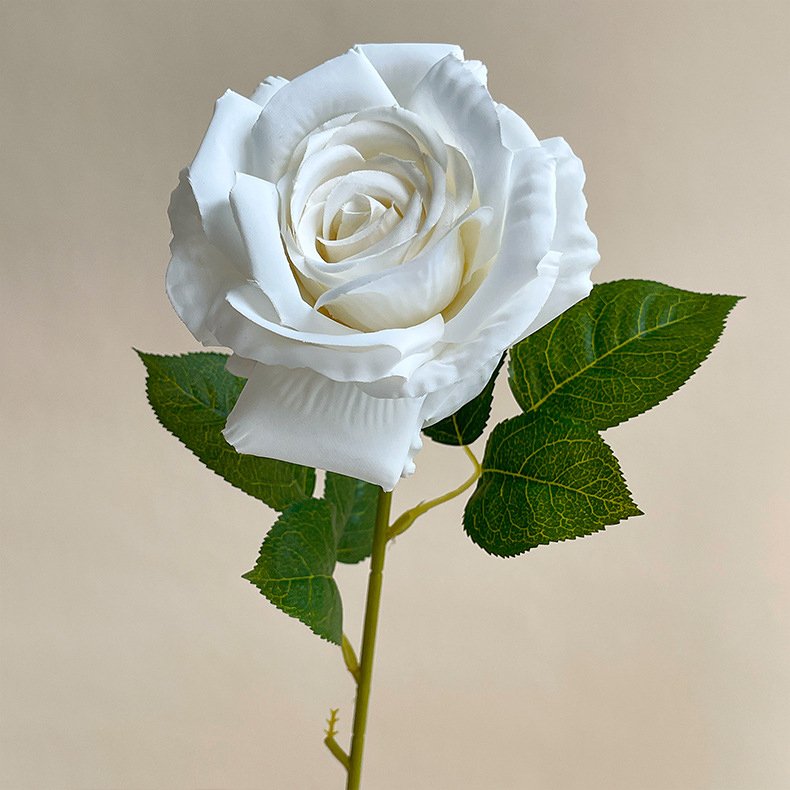
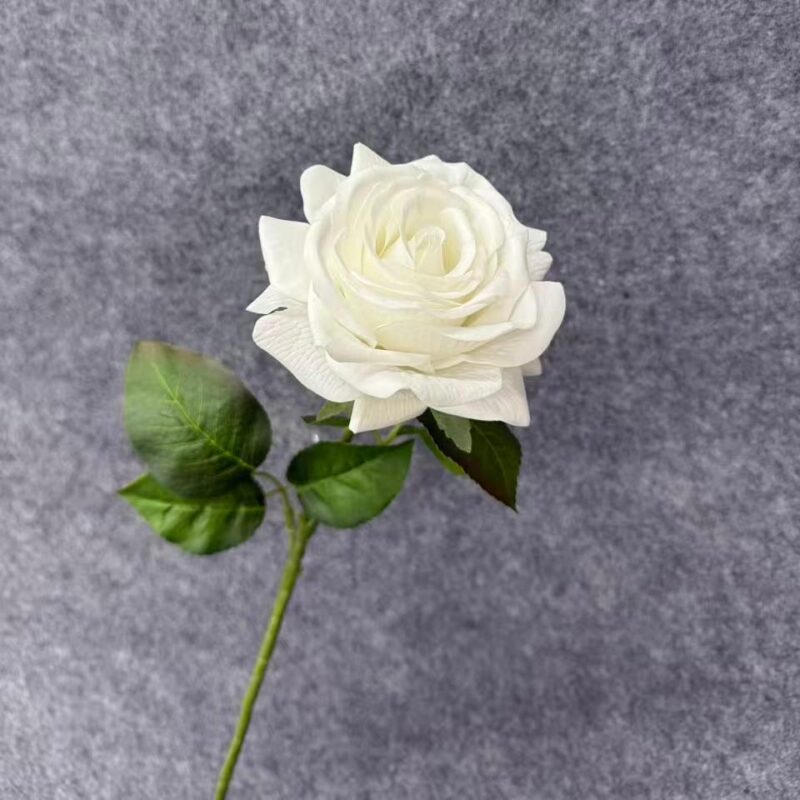
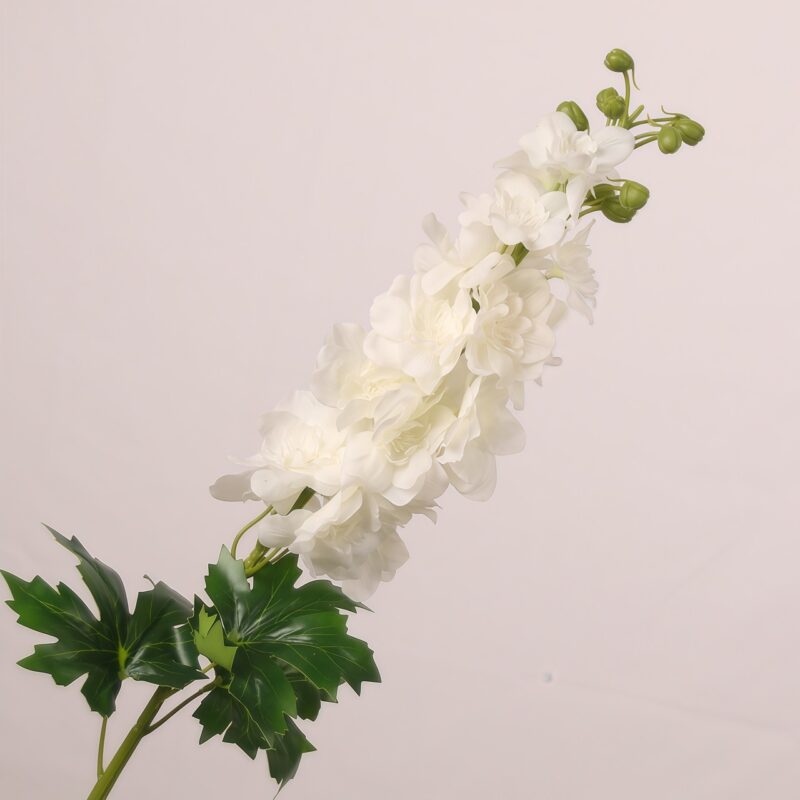
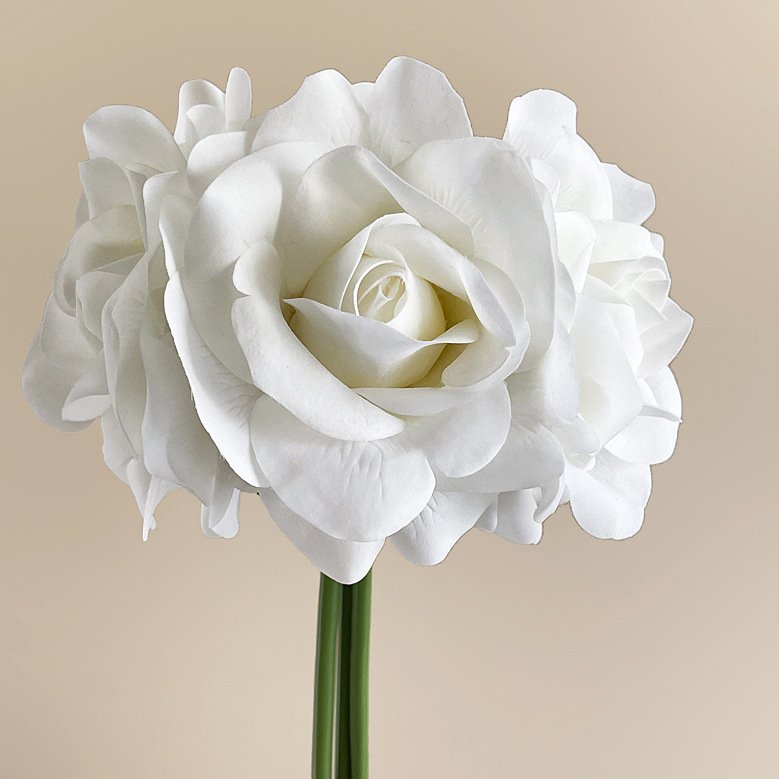
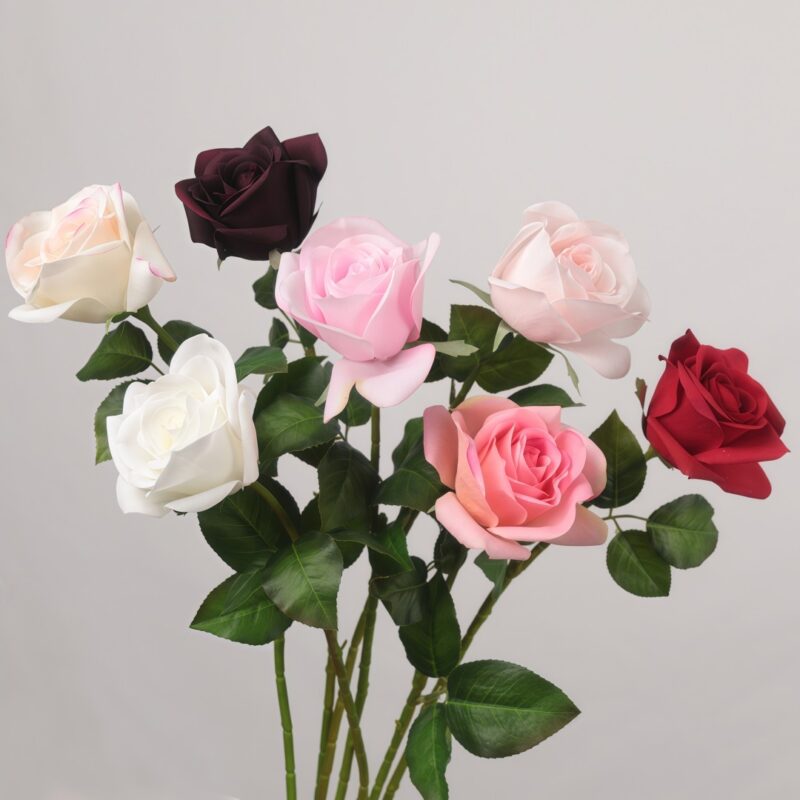
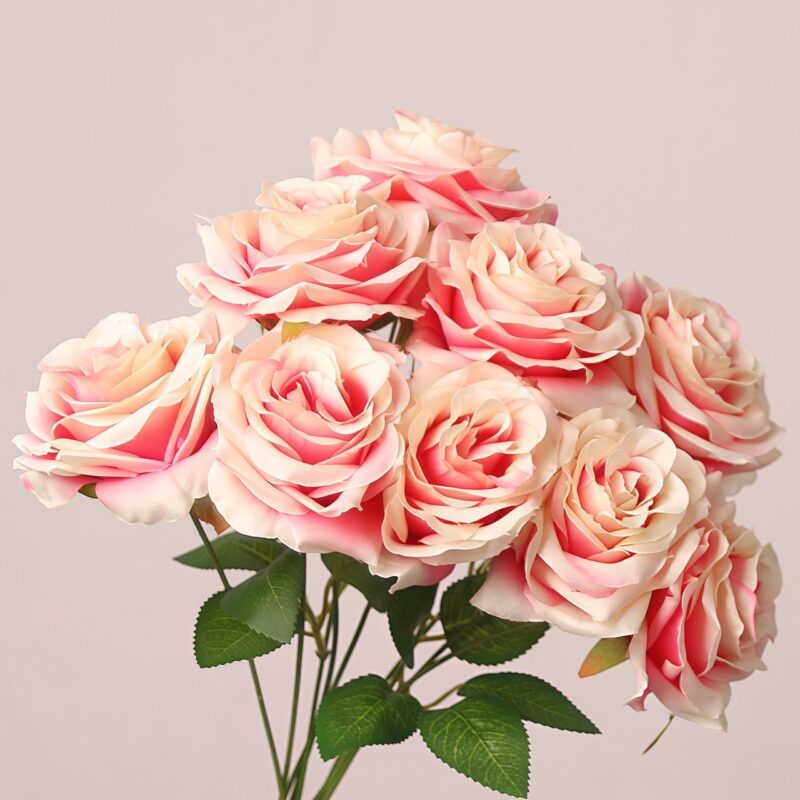
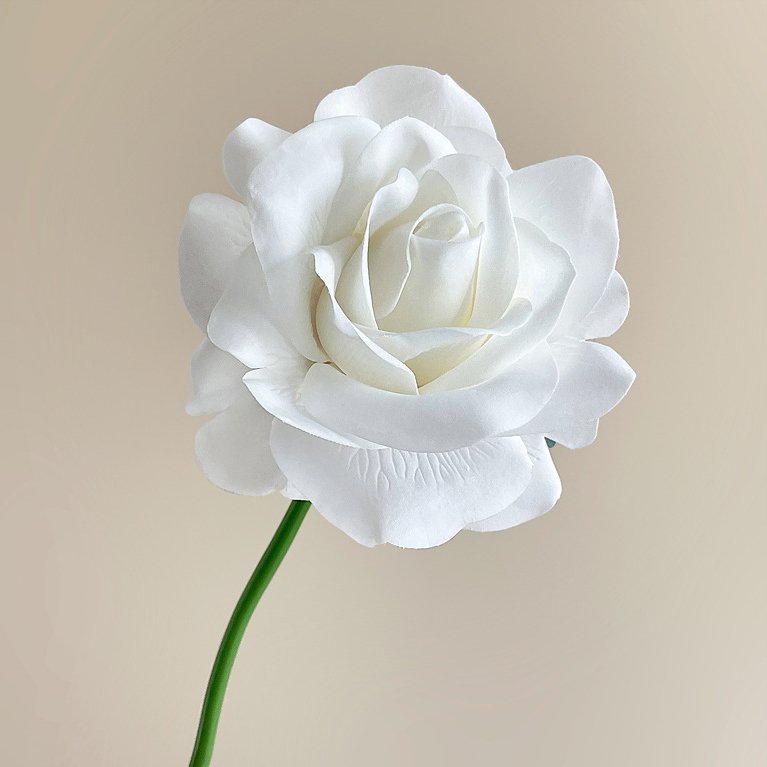
Quick answer: Artificial flowers look more realistic when you choose natural colors, mix different flower sizes, bend stems and petals, add greenery, avoid overly shiny materials, and arrange them loosely instead of making every bloom look perfectly identical.
High-quality artificial flowers can look beautiful in weddings, home decor, retail displays, and event installations. But the final result depends on more than the flower itself. Material, color, shape, placement, lighting, and styling all affect whether faux flowers look natural or artificial.
This guide explains how to make artificial flowers look real, from choosing better materials to arranging bouquets, centerpieces, arches, vases, and large event decor.
What Makes Artificial Flowers Look Real?
Realistic artificial flowers usually have three things working together: believable material, natural color, and organic shape.
Slightly uneven petals, bent stems, mixed bloom sizes
Every flower identical and perfectly straight
Arrangement
Loose, layered, natural spacing
Dense, round, overly symmetrical bunches
Greenery
Mixed leaves, stems, fillers, vines
No greenery or one repeated leaf type
The goal is not to make every flower perfect. Real flowers are naturally irregular. A more realistic arrangement usually has variation, movement, and softness.
1. Choose Better Materials First
Material is one of the biggest differences between artificial flowers that look realistic and flowers that look cheap.
Common artificial flower materials include silk-style fabric, real touch PU, latex, foam, plastic, and mixed-material greenery. Each has different strengths.
Silk-style flowers are lightweight and flexible, making them useful for bouquets, centerpieces, and decorative arrangements. Real touch flowers usually feel softer and more realistic, especially for close-up designs. Plastic greenery can work well for large backdrops, outdoor displays, and event installations when used carefully.
If the flowers will be seen up close, material quality matters more. For bridal bouquets, dining tables, retail counters, and home vases, real touch flowers or higher-quality silk-style flowers often look better. For large arches, walls, and ceiling installations, a mix of flowers and greenery can create a full visual effect without requiring every bloom to be premium.
Color is another reason artificial flowers can look fake. Real flowers usually have subtle color variation. Petals may be lighter near the edges, deeper near the center, or slightly different from one bloom to another.
Artificial flowers look more natural when you choose softer, layered colors such as:
Be careful with pure white, neon pink, bright red, and overly saturated colors. These can work for bold event themes, but they often look less natural if the material is shiny or the arrangement has no depth.
For wedding decor and home styling, muted colors usually photograph better and feel more elegant.
3. Mix Flower Sizes and Shapes
Real floral arrangements are rarely made from one flower size. They usually include focal flowers, smaller blooms, fillers, buds, leaves, and stems.
Medium flowers such as ranunculus, tulips, anemones, or garden roses
Small filler flowers
Buds or half-open flowers
Greenery and trailing vines
This creates a more natural structure. If every flower is the same size and placed at the same height, the arrangement can look flat and artificial.
For wedding bouquets, use larger blooms near the center and smaller flowers around the edges. For vases, vary the stem heights. For arches and flower walls, create depth by layering flowers forward and backward instead of placing everything on one flat surface.
4. Bend the Stems, Leaves, and Petals
One simple way to make artificial flowers look more realistic is to shape them by hand.
Many artificial flowers arrive compressed from shipping. Stems may be too straight, petals may be flattened, and leaves may be pressed against the flower head. Before styling, gently open the petals, bend the stems, and adjust the leaves.
Try this:
Curve stems slightly instead of leaving them perfectly straight
Open petals gently with your fingers
Turn some flower heads in different directions
Bend leaves away from the stem
Let a few stems lean naturally
Create uneven heights in vases and arrangements
Real flowers move. They do not all face the same direction. Small changes in angle and spacing can make artificial flowers feel much more natural.
5. Add Greenery for Texture and Depth
Greenery helps artificial flower arrangements look fuller and more realistic. Without leaves, fillers, and stems, faux flowers can look too plain.
Useful greenery options include:
Eucalyptus
Ferns
Ruscus
Olive leaves
Willow leaves
Ivy
Hanging greenery
Mixed foliage sprays
Greenery softens the arrangement and helps hide stems, wires, floral foam, and empty spaces. It also creates contrast between flower colors and the background.
For wedding arches, greenery can make the installation look more organic. For home vases, it can make the arrangement look less formal and more natural. For retail displays, greenery adds volume without making the design feel too heavy.
6. Use the Right Vase, Base, or Structure
Even high-quality artificial flowers can look fake if the base looks unfinished.
For home decor, choose vases that match the flower style. Ceramic, glass, stone, metal, and neutral-toned vases usually work well. Avoid clear vases if the stems look obviously artificial unless you cover the inside with water-look resin, stones, moss, or decorative filler.
For weddings and events, make sure the mechanics are hidden. Floral foam, zip ties, wires, and plastic bases should not be visible from normal viewing angles.
For flower walls and arches, layer greenery and flowers so the structure looks full from the front and sides. Guests and photographers will see the installation from different angles, so side coverage matters.
7. Style Artificial Flowers Loosely
Overly perfect arrangements often look artificial. Real flowers have natural spacing, slight asymmetry, and movement.
Instead of making a tight round bunch, try:
One side slightly higher than the other
Some blooms facing forward and others angled outward
Greenery extending beyond the flowers
A few stems placed lower or higher
Soft gaps instead of complete uniform density
This is especially important for bridal bouquets, vase arrangements, centerpieces, and editorial-style decor.
For modern weddings and home styling, a relaxed arrangement often looks more expensive and natural than a perfectly symmetrical one.
8. Match the Flowers to the Setting
Artificial flowers look more realistic when they fit the environment.
For example, a large rose and peony arrangement may look beautiful on a wedding table, but it may feel too formal in a small kitchen vase. A tall orchid stem may look elegant in a hotel lobby, but it may feel too structured for a rustic outdoor party.
Think about where the flowers will be used:
Use Case
Best Styling Direction
Wedding bouquet
Soft texture, natural movement, premium flowers
Table centerpiece
Balanced height, mixed flowers, greenery
Home vase
Relaxed shape, muted colors, fewer stems
Flower wall
Layered flowers, dense greenery, strong color blocks
Retail display
Durable stems, strong visibility, repeated colors
Outdoor event
Stable structure, less delicate materials, secure installation
The more the flowers match the space, the more natural they feel.
9. Pay Attention to Lighting
Lighting can make artificial flowers look better or worse.
Harsh overhead lighting can reveal shiny petals, plastic leaves, and repeated shapes. Soft natural light usually makes artificial flowers look more realistic. Warm indoor lighting can also help soften colors and texture.
For events and photography, test flowers under the same lighting where they will be used. A flower that looks good in a warehouse may look different under outdoor sunlight, LED venue lighting, or flash photography.
If the material is shiny, avoid placing it directly under strong light. Use matte greenery, softer petals, and layered arrangements to reduce glare.
10. Combine Real and Artificial Flowers When Needed
You do not always need to choose only one option. Many designers combine real flowers and artificial flowers.
Artificial flowers can provide structure, volume, and reusable decor. Real flowers can add fragrance, fresh detail, and seasonal texture.
This approach can work well for:
Wedding arches
Ceremony backdrops
Reception centerpieces
Bridal tables
Photo areas
Retail displays
Large event installations
For example, artificial flowers can create the main arch structure, while fresh flowers are added in close-up areas. This can reduce cost, improve setup flexibility, and still give the design a fresh floral feeling.
11. Choose Real Touch Flowers for Close-Up Designs
If the flowers will be touched or seen closely, real touch flowers can be a strong choice. They are often made with softer materials that feel more natural than standard fabric flowers.
Real touch flowers are useful for:
Bridal bouquets
Bridesmaid bouquets
Boutonnieres
Corsages
Dining table centerpieces
Premium vase arrangements
Retail counters
Close-up photography
They may cost more than basic artificial flowers, but they can improve realism where details matter.
Dust can make artificial flowers look old and fake. Regular cleaning helps them stay fresh.
For home decor, lightly dust flowers with a soft cloth, small brush, or low-pressure air. For event inventory, store flowers in clean, dry boxes or garment bags. Avoid crushing petals during storage.
Keep artificial flowers away from long-term direct sunlight, especially if they are dyed or made from delicate materials. Strong sunlight can fade colors over time.
Good storage and cleaning help artificial flowers keep their shape, color, and value longer.
Best Artificial Flowers for Realistic Results
The best option depends on the project.
For weddings, choose soft petals, muted colors, and flowers that photograph well. For home decor, choose arrangements that match the room and do not feel oversized. For retail displays, choose durable materials that can hold their shape. For wholesale or event businesses, order samples before buying in volume.
Artificial flowers look real when they are chosen and styled with care. Material quality matters, but styling matters too. Natural colors, mixed flower sizes, shaped stems, soft greenery, good lighting, and loose arrangement techniques can all make faux flowers look more believable.
For weddings, home decor, retail displays, and events, the goal is not to make artificial flowers look perfect. The goal is to make them look natural, intentional, and suitable for the setting.
With the right flowers and styling, artificial flowers can offer beauty, consistency, and reuse value while still creating a realistic floral look.
FAQ
How do I make artificial flowers look more realistic?
Choose natural colors, mix different flower sizes, bend the stems, open the petals, add greenery, avoid shiny materials, and arrange the flowers loosely instead of making every stem identical.
What type of artificial flowers look most real?
Real touch flowers and high-quality silk-style flowers often look the most realistic, especially for close-up designs such as bouquets, centerpieces, and home vase arrangements.
Why do some artificial flowers look fake?
Artificial flowers can look fake when the colors are too bright, the material is too shiny, the stems are too straight, or every flower looks exactly the same.
Can artificial flowers look good in wedding decor?
Yes. Artificial flowers can look beautiful in wedding bouquets, arches, centerpieces, aisle decor, flower walls, and reception backdrops when they are styled with natural color, shape, and greenery.
Should I mix real flowers with artificial flowers?
Yes, mixing both can work well. Artificial flowers can provide structure and volume, while real flowers can add fragrance, fresh detail, and seasonal texture.
NB8 Floral supplies wholesale artificial flowers to florists, event professionals, and retailers in the US. Our guides are written from what we see in production, QC, and customer orders.
The most common way to end up disappointed with faux flowers is to buy too few. Six stems that looked generous in the product photo arrive, go into a vase, and produce something thin and apologetic th