


Related posts
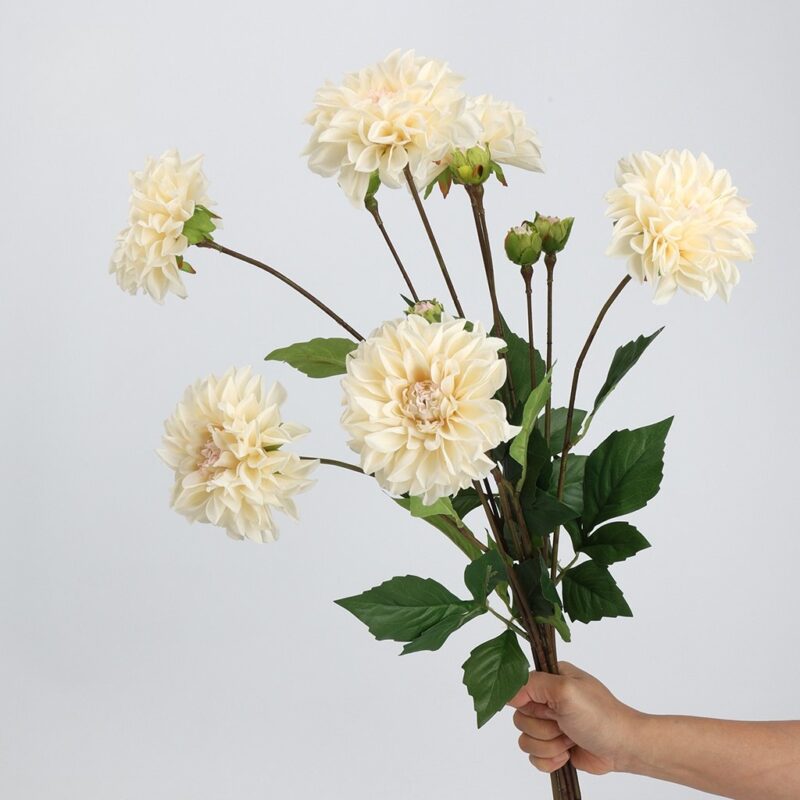
Artificial Dahlias: 3D-Formed Petals vs. Flat-Cut, and When It Matters

Dahlia is the flower that exposes how an artificial bloom was made, because its whole structure is petal tips and there is nowhere for a shortcut to hide.

Artificial Lilies vs. Calla Lilies: Two Shapes, Two Different Jobs
Lilies and calla lilies sit in the same collection on most sites, including ours, and that grouping hides the fact that they do opposite things in an arrangement.

Wedding Flower Budget: A Module-by-Module Model for Fresh, Faux, and Dried
Most wedding flower budget advice is a single percentage — flowers are "about 8 to 10 percent of the total," a planning rule of thumb that has been repeated for decades. It is a fine starting point an
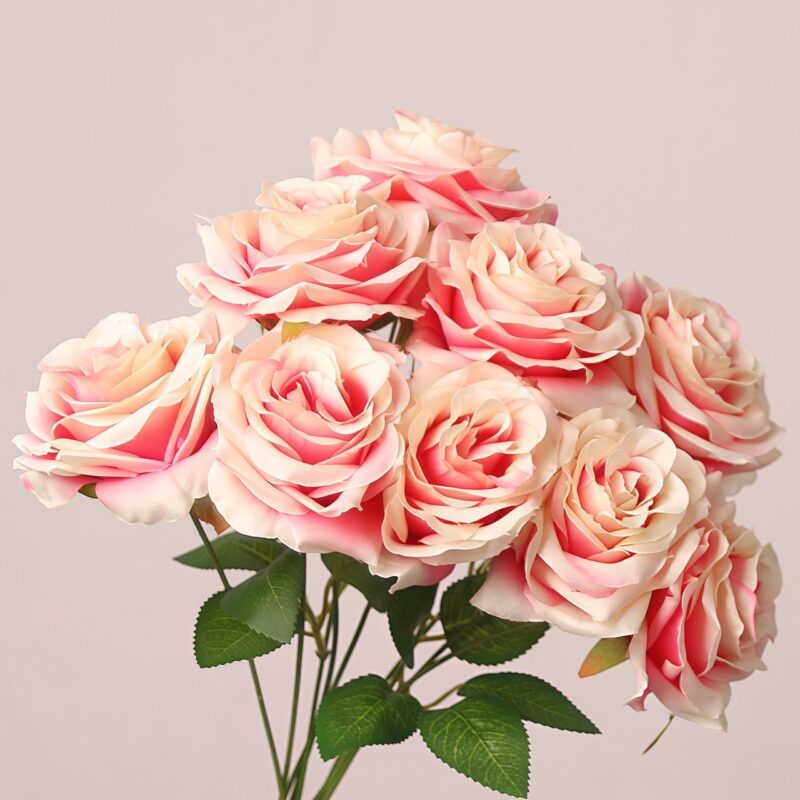
DIY Wedding Flowers vs. Hiring a Florist: What You Actually Save
The arithmetic that starts most DIY plans is simple: the florist quoted $4,200, the stems cost $900, so DIY wedding flowers save $3,300. That number is wrong in both directions, and the gap between it
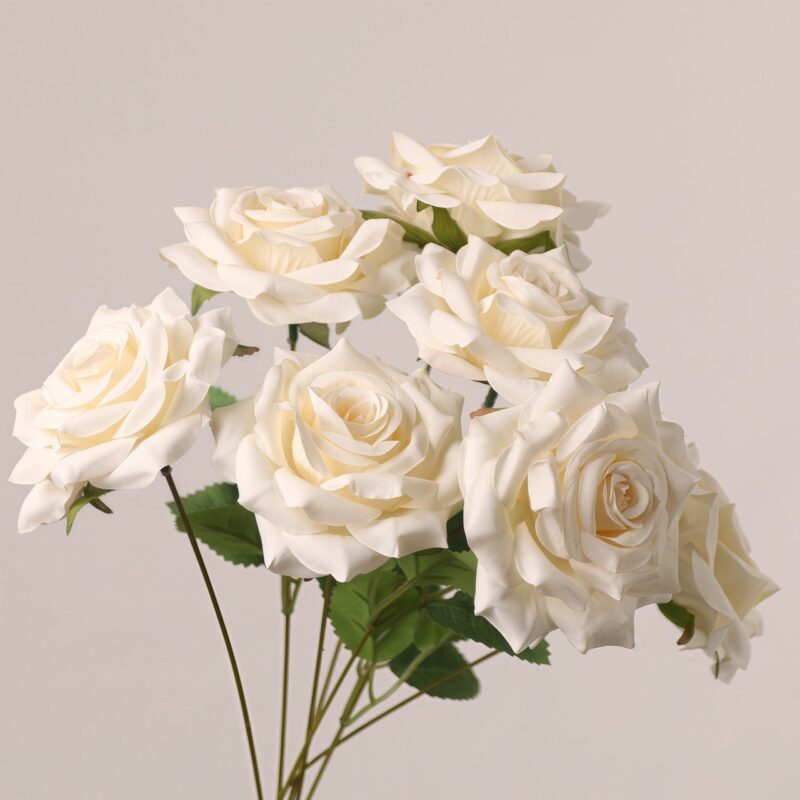
Choosing Wedding Flower Colors for Your Venue’s Lighting: Dark Halls, Warm Wood, and Open Sun
A palette chosen on a laptop screen in a bright room has almost nothing to do with how those flowers will look at 7pm in the room where the wedding actually happens. This is the most common and least
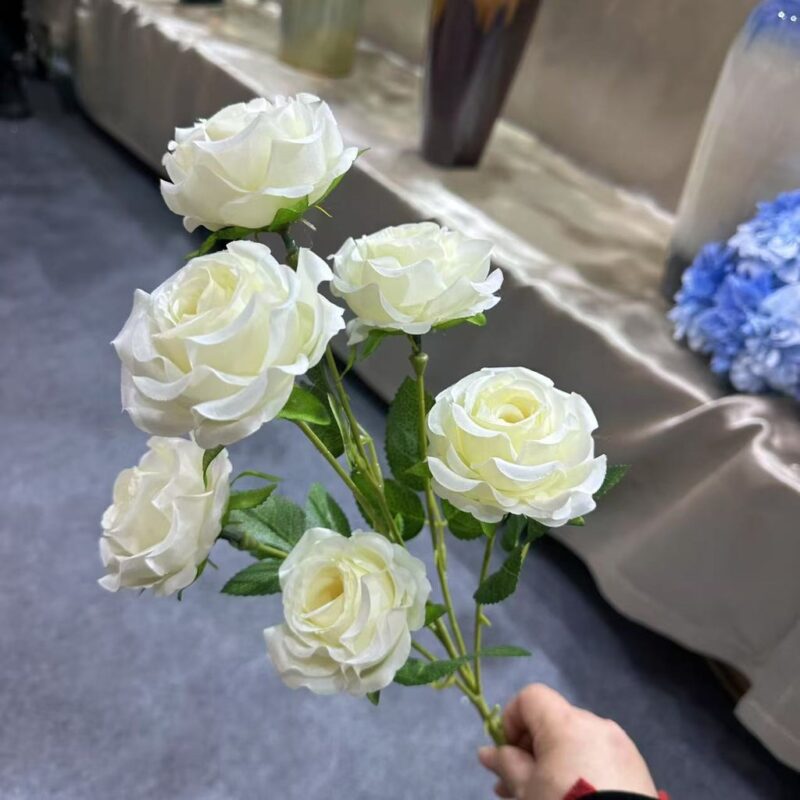
Outdoor Wedding Flowers: What Survives Heat, Wind, and Salt Air on the Day
This is not about how long flowers last outdoors over a season. It is about a single afternoon — the six hours between install and the last dance, which is the only window that matters for outdoor wed
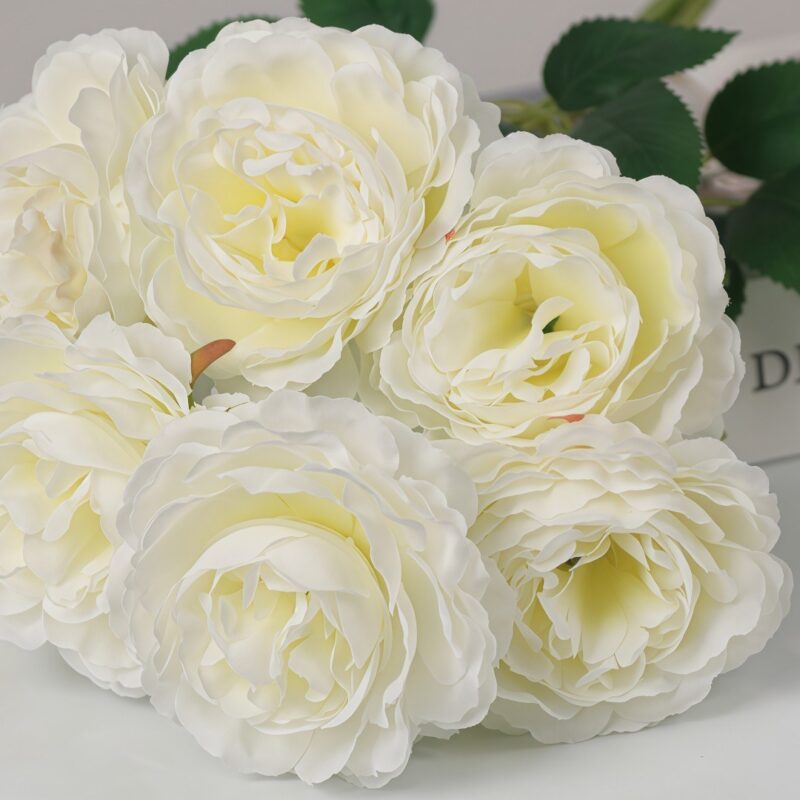
Wedding Flowers Out of Season: Faux Substitutes for Peonies, Ranunculus, and Lily of the Valley
You picked the flower before you picked the date, and now the quote has come back at three times what you expected — or the answer is simply that nobody can get it that month. Wedding flowers out of s

How to Repurpose Ceremony Flowers for the Reception: A 30-Minute Flip Plan
Every wedding budget spreadsheet eventually arrives at the same idea: build the flowers once, use them twice. The ceremony arch becomes the head table garland, the aisle markers move to cocktail table
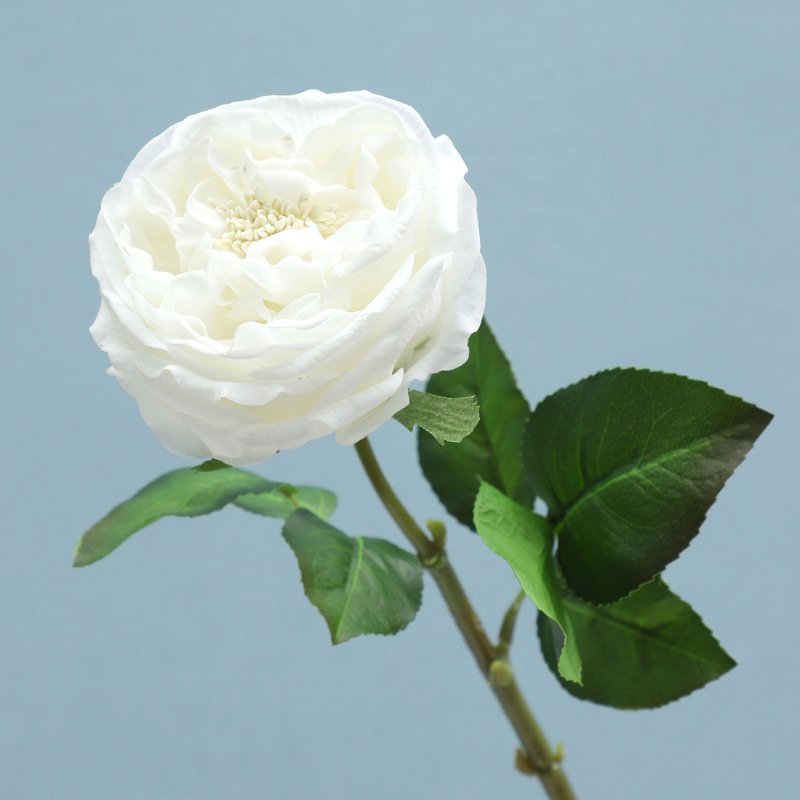
How to Choose Artificial Flowers for Vases, Weddings, and Events
The same artificial flower can look elegant in a tall entry vase, crowded on a coffee table, or too small on a ceremony ...
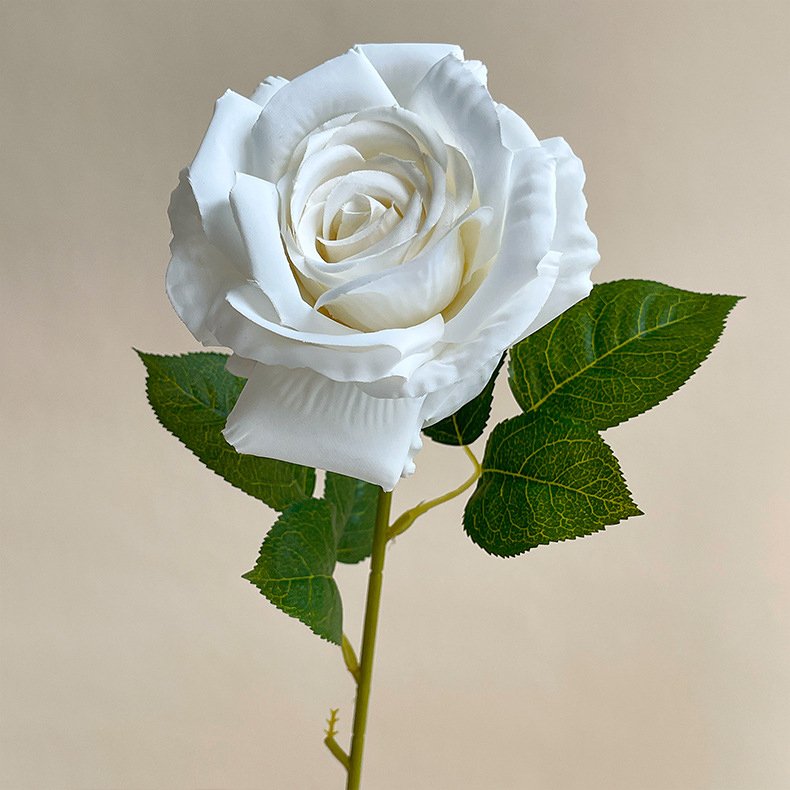
Can Artificial Flowers Go Outside? Care, Cleaning, and Lifespan Guide
Artificial flowers make indoor styling easier, but outdoor exposure is a different requirement. A stem that looks excell...
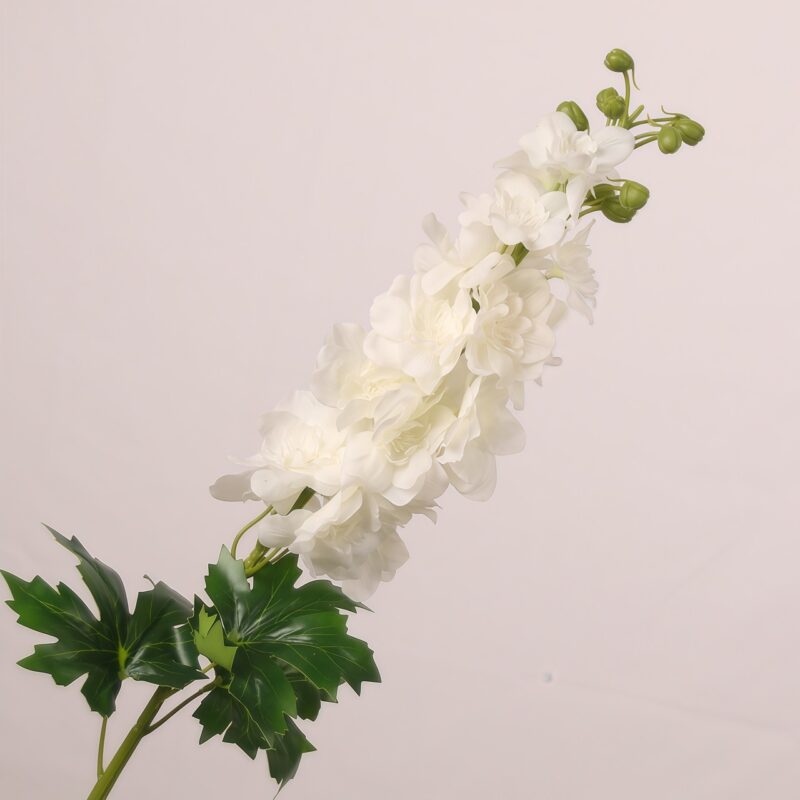
Real Touch vs. Silk vs. PU Flowers: Which Is Worth the Price?
Real touch, silk-style, PU, and plastic artificial flowers are often compared as if each name guarantees a fixed quality...
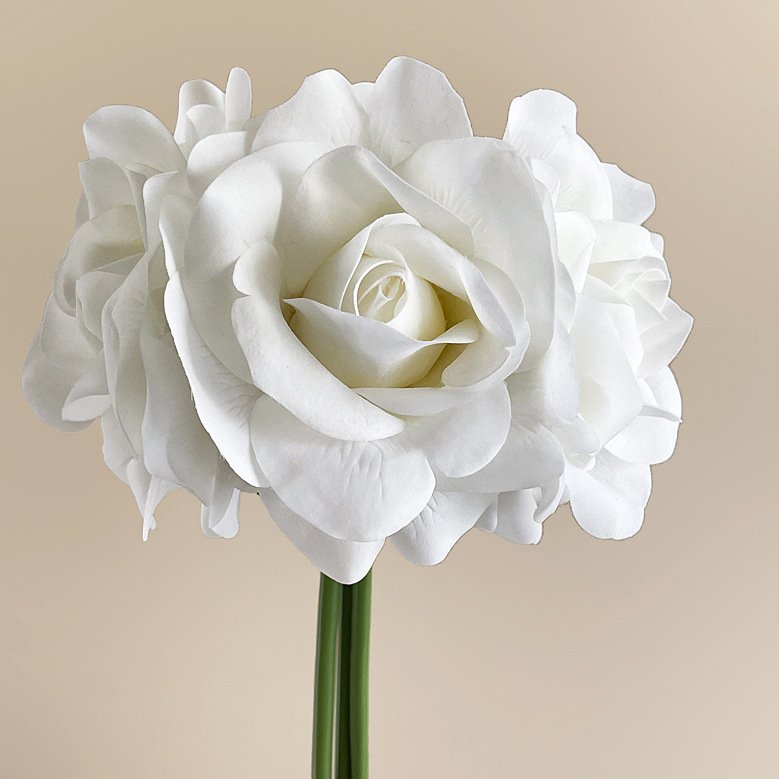
Private Label Artificial Flowers Guide: Product, Packaging, and Approval Checklist
Private label artificial flowers can range from adding a brand label to an existing product to developing custom color, ...