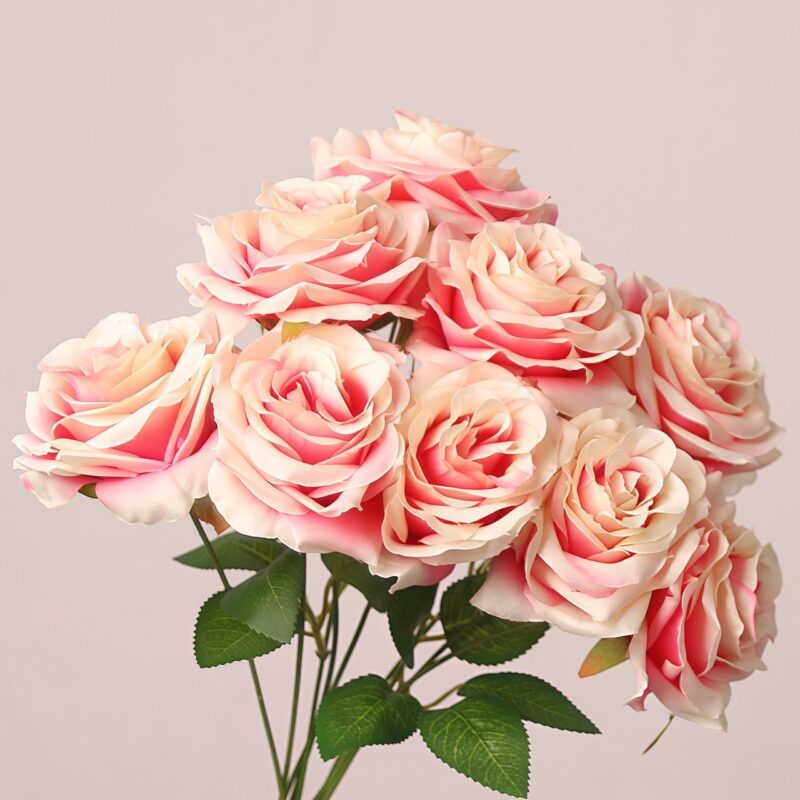
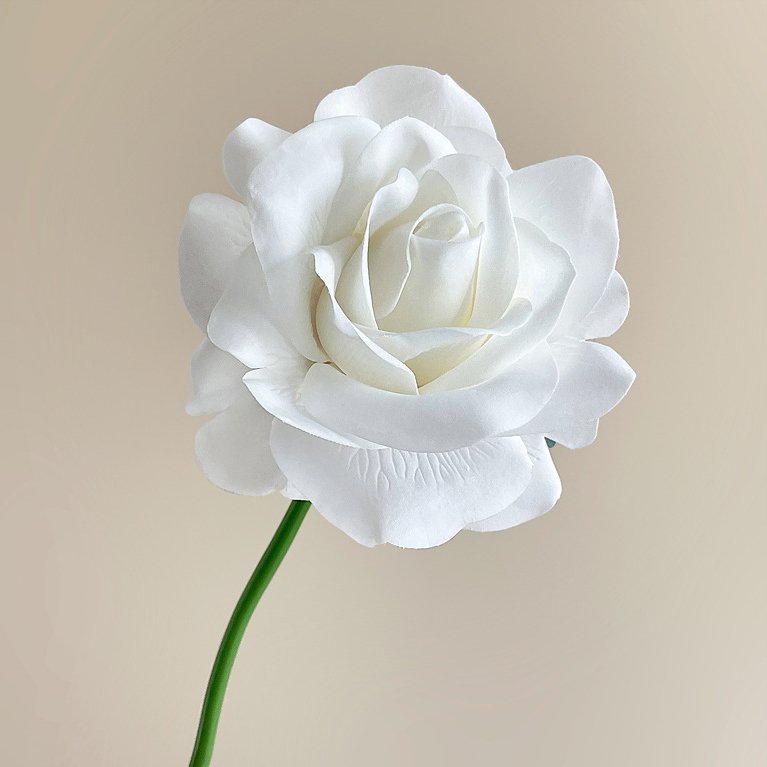
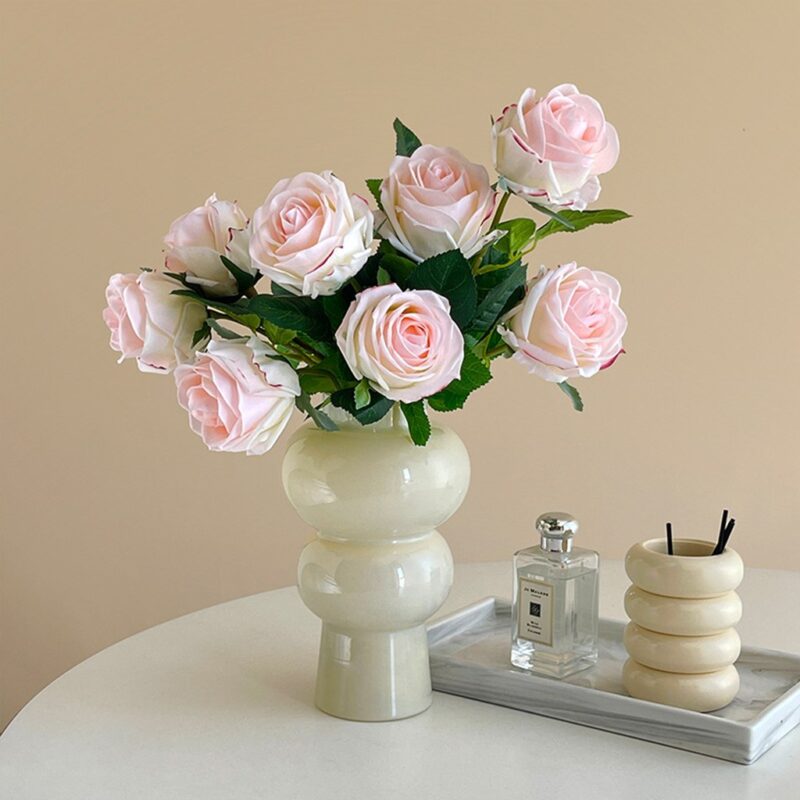
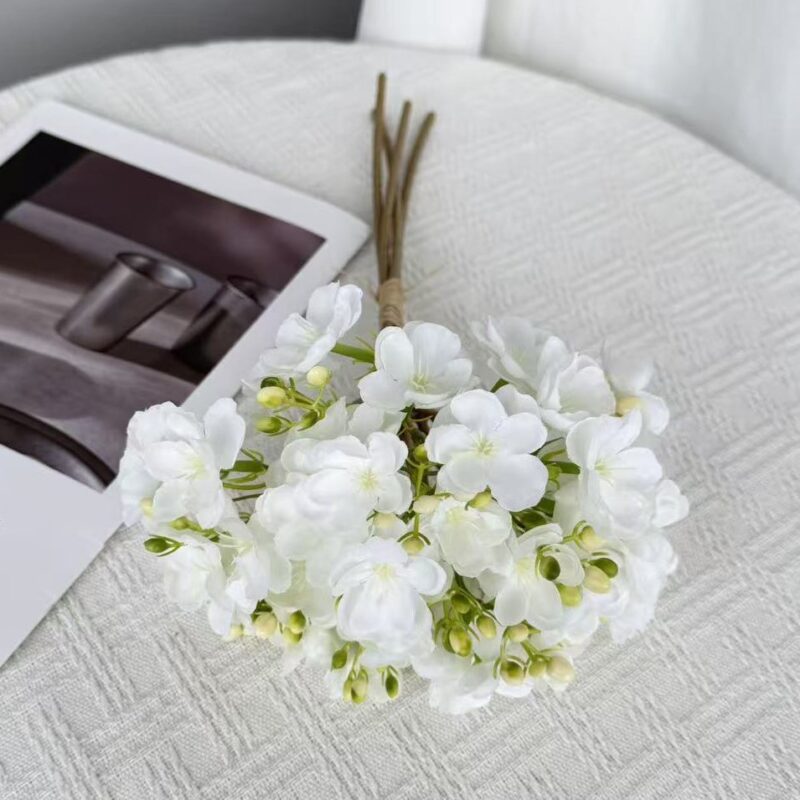
Private label artificial flowers can range from adding a brand label to an existing product to developing custom color, packaging, structure, or a new product specification. Wholesale buyers should define the exact scope before requesting price, MOQ, samples, or lead time.
This guide is written for retailers, importers, floral brands, wedding suppliers, event companies, and purchasing teams planning branded artificial flower products.
Quick Answer
Start by separating four possible requests: an existing product with a brand label, custom packaging, a modified product, or a new product development project. Confirm supplier capability, MOQ, setup cost, files, sample stages, approval standards, packaging, lead time, and inspection before placing the bulk order.
1. Define the Private Label Scope
Do not begin with only, “Can you add my logo?” Describe what must change and what must remain standard.
- Existing product with a brand label or hangtag
- Existing product with custom retail packaging
- Modified color, size, stem, or flower-head combination
- New product developed from a specification or reference
Not every supplier offers every level of customization. Confirm availability for the exact SKU and order quantity before preparing the project.
2. Provide the Commercial Requirements
The supplier needs more than a design idea. Explain the target market, sales channel, expected order quantity, required arrival date, retail price position, and whether the product will be sold as a single stem, bunch, bouquet, set, or carton.
These details affect product selection, packaging, MOQ, carton planning, and the practical level of customization.
3. Create a Product Specification
Record the product requirements in one document or approval sheet.
- Product SKU or reference
- Flower type and intended use
- Overall length and flower-head size
- Material and surface finish
- Color reference
- Stem, leaf, and assembly requirements
- Quantity per retail unit
Use the Artificial Flower Materials Guide when comparing material options. Avoid approving only from a general inspiration photo.
4. Prepare Brand and Packaging Files
Provide final logo, label, barcode, packaging artwork, color references, and required text in the format requested by the supplier or printer. Confirm dimensions, print colors, material, placement, and proofing method.
The buyer should confirm ownership and permission to use all logos, artwork, trademarks, claims, barcodes, and product text. Labeling and packaging requirements vary by product and market, so confirm applicable legal requirements with qualified local advisers before production.
5. Confirm MOQ and Setup Costs by Component
The product, printed label, custom box, insert card, bag, ribbon, or new color may each have a different MOQ. Ask for the minimum and setup cost of every custom component.
Also ask whether unused custom packaging must be purchased, stored, or included in the shipment. For standard ready-made styles, NB8 Floral supports selected small-batch wholesale orders starting from 10PCS, but custom elements require separate confirmation. See the Artificial Flower MOQ Guide.
6. Approve the Product and Packaging Separately
A product sample does not automatically approve the printed packaging, and a packaging proof does not approve the flower. Use separate approval records when necessary.
- Product sample approval
- Color approval
- Label or print proof approval
- Packaging structure approval
- Final packed-unit approval
Use the Artificial Flower Samples Guide or go directly to REQUEST SAMPLES when beginning the product review.
7. Approve a Final Packed Unit
Review how the finished product, label, barcode, insert, and retail packaging work together. Check whether the flower is protected, the branding is visible, the barcode can be scanned where required, and the unit fits the planned shelf, warehouse, or shipping process.
Then confirm how the retail units will be packed into export cartons. Review the Artificial Flower Packaging Guide before bulk packing.
8. Set a Clear Change-Control Rule
After approval, changes to artwork, product color, quantity, packaging, or labels may affect price, MOQ, material use, and production timing. Keep every final version dated and named clearly.
Ask the supplier to confirm the latest approved file list before production. Do not rely on scattered messages when several versions have been discussed.
9. Define Bulk Inspection Points
Before production, decide what will be checked against the approved sample and artwork.
- Product SKU, material, color, and dimensions
- Flower-head, leaf, and stem assembly
- Brand name, artwork version, and print placement
- Barcode or label content
- Quantity per retail unit and carton
- Packaging protection and carton marks
Private Label Inquiry Checklist
- Target market and sales channel
- Product SKU or development reference
- Expected quantity by SKU and color
- Exact customization scope
- Logo, artwork, barcode, and label files
- Retail packaging requirements
- Required arrival date and destination
- Sample and approval stages
- Bulk inspection requirements
For broader supplier evaluation, use the Artificial Flower Supplier Checklist and the Wholesale Artificial Flowers Buying Guide.
FAQ
What can private label artificial flowers include?
Depending on supplier capability, it may include a brand label, custom packaging, modified product specifications, custom color, or new product development. Availability must be confirmed for the specific project.
Does one MOQ apply to the whole private label project?
Not always. The product, printed label, custom box, insert, bag, or new material may each have a separate MOQ or setup requirement.
What should buyers approve before bulk production?
Approve the product specification, physical sample, color, artwork, label content, packaging structure, final packed unit, and bulk inspection points.
Final Takeaway
A private label artificial flower project should move through defined specifications, files, samples, approvals, and inspection points. Clear scope and version control reduce misunderstandings before bulk production.
REQUEST SAMPLES