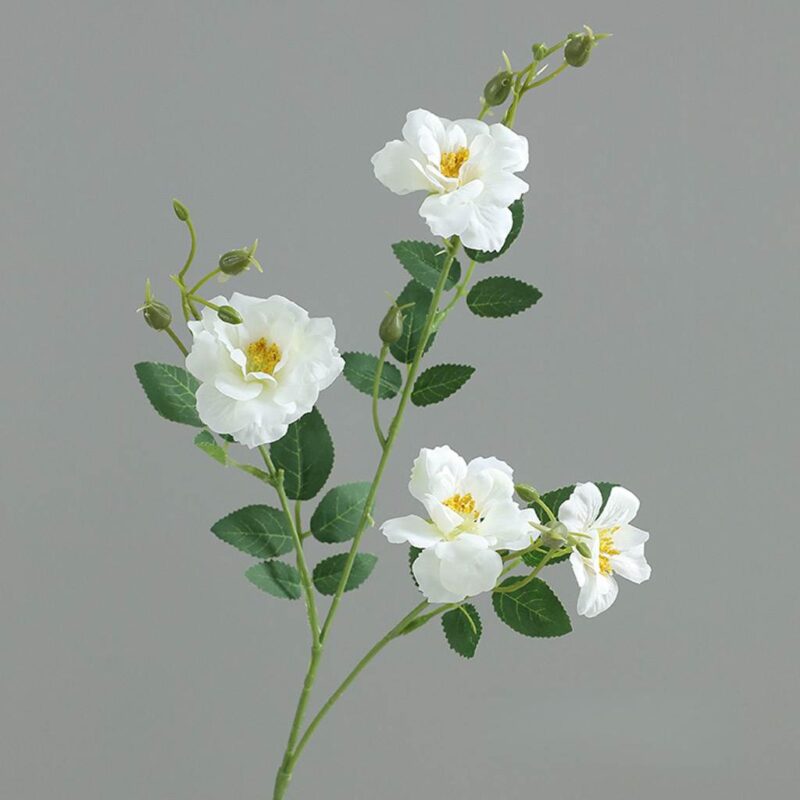
Artificial Flower Arrangements Guide: Centerpieces, Vases, Bouquets, and Event Decor


Quick answer: The best artificial flower arrangements are chosen by use case first: centerpieces need the right height and table proportion, vase arrangements need balanced stem length and volume, bouquets need flexible stems and close-up realism, and event decor needs consistent color, durable materials, and enough quantity for the full space.
Artificial flower arrangements can make weddings, events, retail displays, restaurants, hotels, offices, and homes look finished without the timing pressure of fresh flowers. They are reusable, easier to plan in advance, and available in colors that may be difficult to source seasonally.
The challenge is choosing the right arrangement for the job. A low centerpiece that works beautifully on a reception table may look too small on an entry console. A dramatic vase arrangement may photograph well in a lobby but feel too tall for a dinner table. A bridal bouquet needs close-up realism, while a large event installation needs consistent volume and color across many pieces.
NB8 Floral has worked in the artificial flower industry for more than 20 years. This guide explains how to choose artificial flower arrangements by style, material, size, color, and buying purpose so planners, decorators, retailers, and wholesale buyers can make better decisions before ordering.
Best Artificial Flower Arrangements by Use Case
| Use Case | Best Arrangement Style | What Matters Most |
|---|---|---|
| Wedding tables | Low centerpieces, compote arrangements, mixed florals | Height, color match, guest sight lines |
| Bridal bouquets | Hand-tied bouquets, real touch flowers, flexible stems | Close-up realism, shape, grip comfort |
| Home decor | Vase arrangements, small accent flowers, greenery | Room scale, vase fit, natural color |
| Event entrances | Statement arrangements, tall stems, floral decor pieces | Visual impact, stability, repeatable style |
| Retail displays | Ready arrangements, bundles, mixed assortments | Shelf appeal, packaging, variety |
| Wholesale projects | Coordinated flowers, greenery, fillers, sample-approved sets | Consistency, quantity, shipping plan |
What Are Artificial Flower Arrangements?
Artificial flower arrangements are designed groupings of faux flowers, greenery, fillers, stems, and decorative materials. They may be sold as finished arrangements, loose stems for custom design, bouquets, centerpieces, garlands, floral decor pieces, or coordinated wholesale sets.
Common arrangement formats include vase arrangements, table centerpieces, bridal bouquets, bridesmaid bouquets, aisle flowers, ceremony decor, mantel flowers, shelf accents, flower baskets, retail display arrangements, and event installation components.
The best option depends on how the flowers will be viewed, touched, transported, reused, and photographed.
1. Start With the Purpose of the Arrangement
Before choosing flower type or color, decide what the arrangement must do. Artificial flowers can serve different purposes: soften a room, create a focal point, fill a table, frame a ceremony, support a product display, or provide reusable event decor.
Ask these questions first:
- Will guests see the arrangement close up or from a distance?
- Does it need to be carried, moved, shipped, or reused?
- Will it sit on a dining table, shelf, counter, arch, floor stand, or retail fixture?
- Should it look soft and natural, bold and decorative, or clean and minimal?
- Do colors need to match a wedding palette, seasonal display, or brand theme?
This step prevents the most common buying mistake: choosing flowers that look attractive in product photos but do not fit the actual space.
2. Choose the Right Arrangement Type
Different artificial flower arrangements solve different design problems. Choosing the correct type makes the final result look intentional.
Artificial Flower Centerpieces
Centerpieces are used on dining tables, wedding reception tables, sweetheart tables, banquet tables, restaurant tables, and display counters. They should be sized for conversation, photography, and table layout.
For seated events, low or medium arrangements are usually easier to use than very tall designs. If the centerpiece is tall, the base should be narrow enough to preserve table space and stable enough for guest movement.
Artificial Flower Vase Arrangements
Vase arrangements work well for homes, hotels, offices, restaurants, entry tables, shelves, and showrooms. The key is proportion. Stems should not be too short for the vase, and the flower head size should match the room.
For everyday home decor, soft neutrals, greenery, hydrangeas, roses, peonies, orchids, and seasonal stems are easier to style than overly bright or shiny flowers. For more room-by-room ideas, see NB8 Floral’s Artificial Flowers for Home Decor Guide.
Artificial Flower Bouquets
Bouquets need a different standard because they are carried, photographed close up, and often touched. Flexible stems, comfortable grip, natural layering, and realistic petal texture matter more than they would in a distant installation.
Browse NB8 Floral bouquets when planning bridal bouquets, bridesmaid bouquets, toss bouquets, or small event bundles.
Loose Stems and Custom Arrangements
Loose stems are useful when designers need control over height, shape, color mix, and density. They work well for custom centerpieces, arches, flower walls, large installations, and wholesale design programs.
Loose cut flowers, greenery, and filler stems can be combined to create arrangements that match a specific wedding, event, store display, or interior design project.
3. Match Materials to Viewing Distance
Material choice affects how realistic an artificial flower arrangement looks and how practical it is to use. A close-up bouquet may need different materials than a large backdrop arrangement.
- Real touch flowers are useful for bouquets, premium centerpieces, and close-view arrangements.
- Silk-style flowers are versatile for centerpieces, home decor, retail displays, and event volume.
- PU flowers can work well for structured designs and realistic flower heads.
- Plastic greenery is practical for volume, structure, arches, garlands, and display backgrounds.
- Foam flowers may be useful for lightweight craft-style designs, but buyers should check finish and durability.
For a deeper comparison, read the Artificial Flower Materials Guide. For close-up realism, also review the Real Touch Flowers Guide.
4. Use Color Like a Designer
Color is one of the fastest ways to make artificial flower arrangements look better. Natural color families are usually easier to style than very bright, flat, or overly shiny colors.
For weddings, color should match the full palette: flowers, linens, dresses, venue walls, lighting, and photography style. For home decor, flowers should support the room instead of competing with furniture, art, and textiles. For retail displays, colors should be grouped in a way that makes the collection easy to shop.
Reliable color directions include ivory, cream, blush, champagne, dusty rose, mauve, sage, olive, soft peach, burgundy, terracotta, and seasonal mixed greens. Strong colors can work well when they are intentional, but they need better material quality and a clear design reason.
5. Get the Size and Proportion Right
A good artificial flower arrangement should fit the surface, room, or event area. Size problems make even good flowers look wrong.
| Placement | Better Choice | Avoid |
|---|---|---|
| Dinner table | Low centerpiece or slim tall design | Wide flowers that block plates and glassware |
| Entry table | Taller vase arrangement or statement florals | Small stems that disappear in the space |
| Bookshelf | Small bud vase, greenery, compact stems | Oversized arrangements that crowd books and objects |
| Wedding arch | Large flowers, greenery, fillers, layered volume | Tiny flowers that look thin from a distance |
| Retail display | Grouped colors and repeatable styles | Mixed items with no clear shopping story |
When in doubt, test the arrangement in the real space or request samples before placing a larger order.
6. Add Greenery and Fillers for a Natural Shape
Many artificial flower arrangements look unfinished because they use only large blooms. Fresh-looking arrangements usually need a mix of focal flowers, smaller flowers, greenery, and fillers.
Greenery helps create movement and softens the outline. Filler flowers help connect larger blooms so the design looks layered instead of flat. Eucalyptus, fern, olive leaves, baby’s breath-style fillers, berries, branches, and small accent stems can make an arrangement feel more natural.
Browse NB8 Floral greenery and floral arrangements for ideas on mixing flowers and supporting stems.
Artificial Flower Arrangements for Weddings
Wedding arrangements need planning because they are used across many scenes: bouquets, ceremony arches, aisle flowers, reception centerpieces, sweetheart tables, cake tables, welcome signs, bar decor, and photo areas.
The most important rule is consistency. The flowers do not need to be identical in every location, but the color story, texture, and level of formality should feel connected. A bridal bouquet, table centerpiece, and arch arrangement should look like part of the same wedding design.
Artificial flowers are especially useful for weddings because arrangements can be prepared before the event day, reused for multiple scenes, and checked in advance under similar lighting. For a full wedding planning workflow, read the Wedding Artificial Flowers Guide.
Artificial Flower Arrangements for Events and Retail Displays
Event and retail arrangements often need more consistency than one-off home decor. A planner may need many centerpieces in the same color family. A store may need an assortment that looks organized across shelves. A hotel or restaurant may need durable arrangements that can be refreshed seasonally.
For larger projects, buyers should confirm:
- Flower style and material.
- Color consistency across quantities.
- Stem length and flexibility.
- Packing method and shipping timing.
- Whether samples are available before bulk ordering.
- How arrangements will be stored and reused.
Wholesale buyers can review the Wholesale Artificial Flowers Buying Guide before planning larger orders.
Common Mistakes to Avoid
- Choosing only by flower name. A rose, peony, or hydrangea can vary widely by material, size, color, and finish.
- Ignoring scale. Small arrangements can look weak in large rooms, while oversized flowers can crowd tables and shelves.
- Using only large blooms. Greenery and fillers are often what make the arrangement feel natural.
- Skipping samples for large orders. Photos are useful, but samples help confirm color, texture, and handling.
- Forgetting lighting. Strong indoor lighting, outdoor sunlight, and camera flash can change how colors and finishes appear.
- Not planning storage. Reusable arrangements need storage space, shape protection, and simple cleaning.
How to Make Artificial Flower Arrangements Look More Real
Realistic artificial flower arrangements usually have three things in common: natural color variation, layered shape, and believable placement. Flowers should not all face the same direction or sit at the same height. A few stems can lean slightly, greenery can extend beyond the focal blooms, and smaller flowers can fill gaps.
A vase, ribbon, basket, compote bowl, or container can also change the final look. The container should match the arrangement style. A modern white vase can make flowers feel clean and minimal. A ceramic pot can make them feel soft and home-friendly. A gold compote can make a wedding centerpiece feel more formal.
For more practical styling tips, read How to Make Artificial Flowers Look Real.
When to Request Samples
Samples are most useful when the arrangement will be photographed close up, used for a wedding, ordered in bulk, sold in retail, or matched to a strict color palette. A sample helps buyers check petal texture, stem flexibility, color, size, packing, and how the flowers look in the final lighting environment.
For larger projects, use NB8 Floral’s REQUEST SAMPLES page before confirming a bulk order.
Related NB8 Floral Guides
- Wedding Artificial Flowers Guide
- Artificial Flower Materials Guide
- Real Touch Flowers Guide
- Artificial Flowers for Home Decor Guide
- Wholesale Artificial Flowers Buying Guide
FAQ About Artificial Flower Arrangements
What are the best artificial flower arrangements for weddings?
The best artificial flower arrangements for weddings usually include coordinated bouquets, centerpieces, ceremony flowers, aisle decor, and reception accents. Choose realistic flowers for close-up areas and use greenery and fillers to create volume across larger event spaces.
Are artificial flower centerpieces good for events?
Yes. Artificial flower centerpieces are useful for events because they can be prepared before the event, reused, transported more easily than fresh flowers, and matched across many tables. The main requirement is choosing the right size and color for the table layout.
How do you make artificial flower arrangements look real?
Use natural colors, mix focal flowers with greenery and fillers, vary stem heights, avoid overly shiny materials, choose a suitable vase or container, and place arrangements where the scale looks believable.
What materials are best for artificial flower arrangements?
Real touch flowers are helpful for close-up arrangements, silk-style flowers are versatile for most designs, PU flowers can add structure, and plastic greenery works well for volume and support. The best material depends on where the arrangement will be used.
Can artificial flower arrangements be reused?
Many artificial flower arrangements can be reused if they are stored carefully, kept clean, and protected from crushing. This makes them practical for event planners, venues, retailers, and home decorators who refresh displays seasonally.
Should I request samples before buying artificial flower arrangements wholesale?
Yes, samples are recommended before larger wholesale orders. They help confirm color, material, size, stem flexibility, flower shape, and whether the arrangement style matches the final project.
Final Thoughts
Artificial flower arrangements work best when they are chosen for the real setting, not only for the product photo. Start with the purpose, confirm the arrangement type, match materials to viewing distance, use natural colors, and check size before ordering.
For weddings, events, home decor, retail displays, and wholesale projects, NB8 Floral can help buyers compare flowers, greenery, fillers, bouquets, and floral decor options. Browse floral arrangements or REQUEST SAMPLES when planning a larger project.
Flowers mentioned in this guide
- Greenery — Flocking Acacia 12 Forks – A-TJLL4003, Plastic Reed – 111-SZHG4000, Real Touch Eucalyptus – ZX2008, Plastic Bunny Tail 9 Heads – AHHY8001
- Real Touch Flowers — Real Touch Anthurium – ASX2005, Real Touch Baby’s Breath Spray – HC4008 (Pink), Real Touch Rose 3 Heads – MY4009, Real Touch Iris 2 Heads – AHHY8008
- Roses — Silk Rose 3 Heads – YMALI2005, Real Touch Rose – MY4005A, Silk Rose – 102-DZLW2004, Silk Rose 7 Heads – FL8001
- Hydrangeas — Silk Hydrangea – JY3007, Silk Hydrangea – HCZ3001, 3D Silk Hydrangeas 2 Heads – XHFY5006, Silk Hydrangea 7 Heads – A-XQ6005

About NB8 Floral
NB8 Floral supplies wholesale artificial flowers to florists, event professionals, and retailers in the US. Our guides are written from what we see in production, QC, and customer orders.
View all posts by NB8 Floral