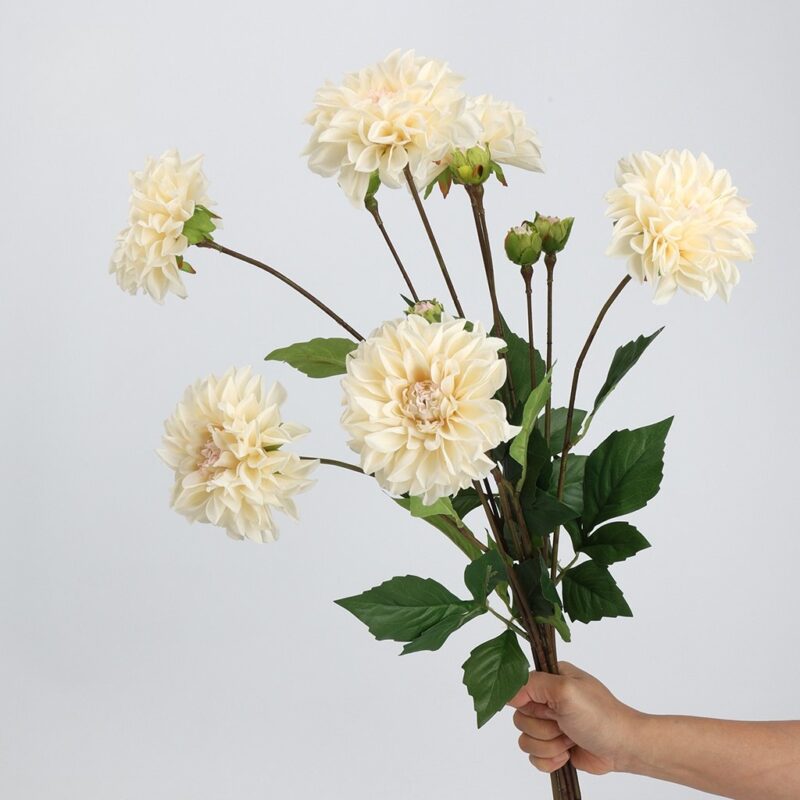
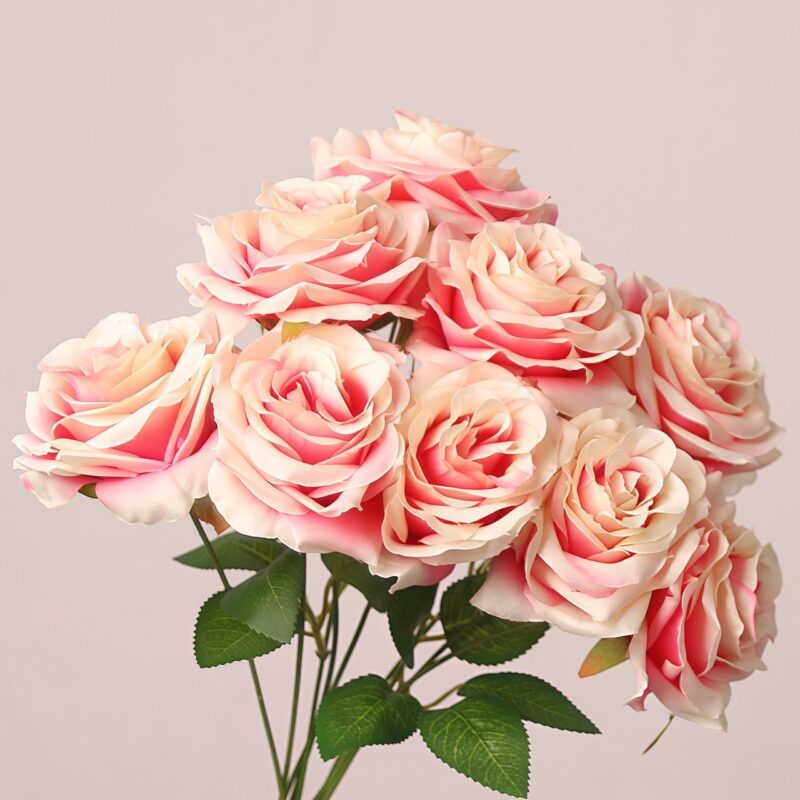
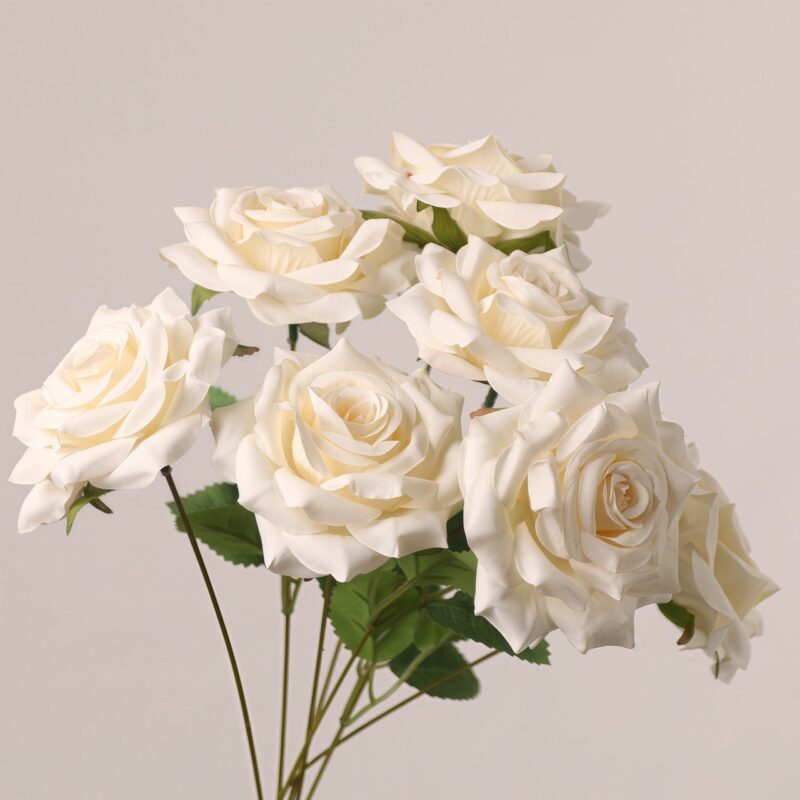
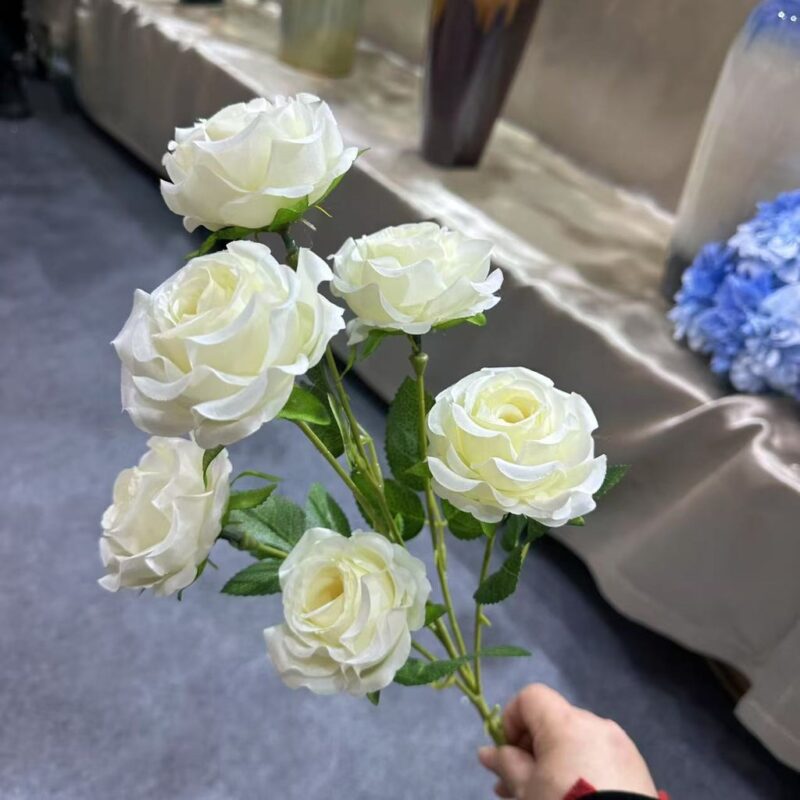
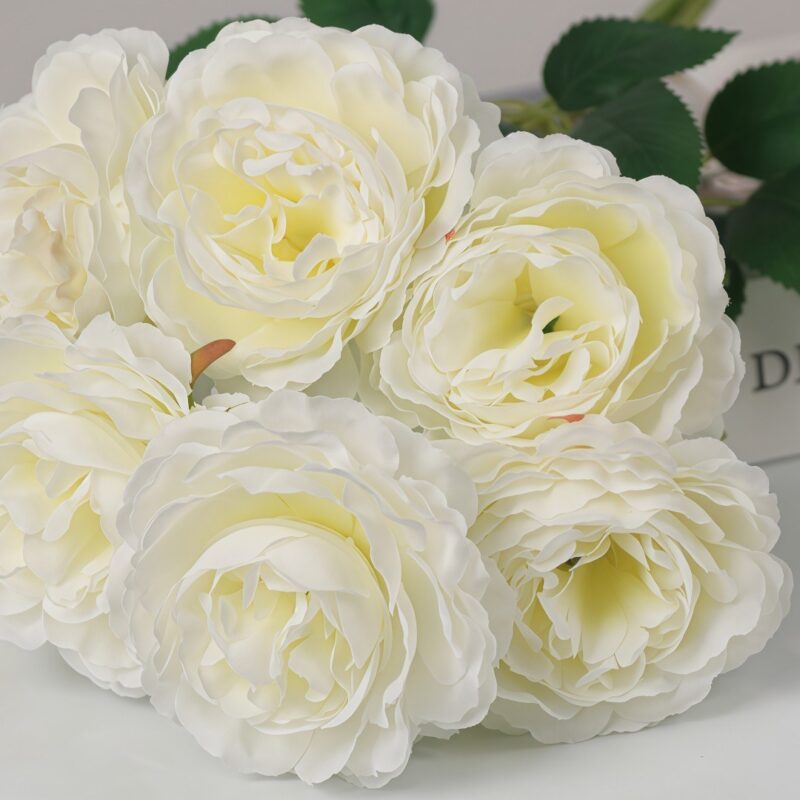
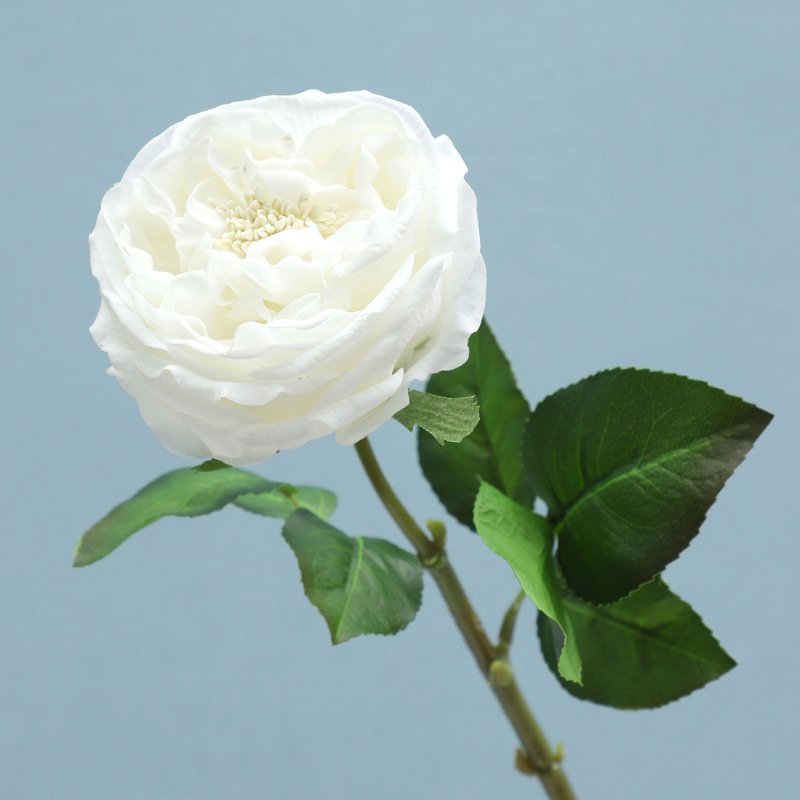
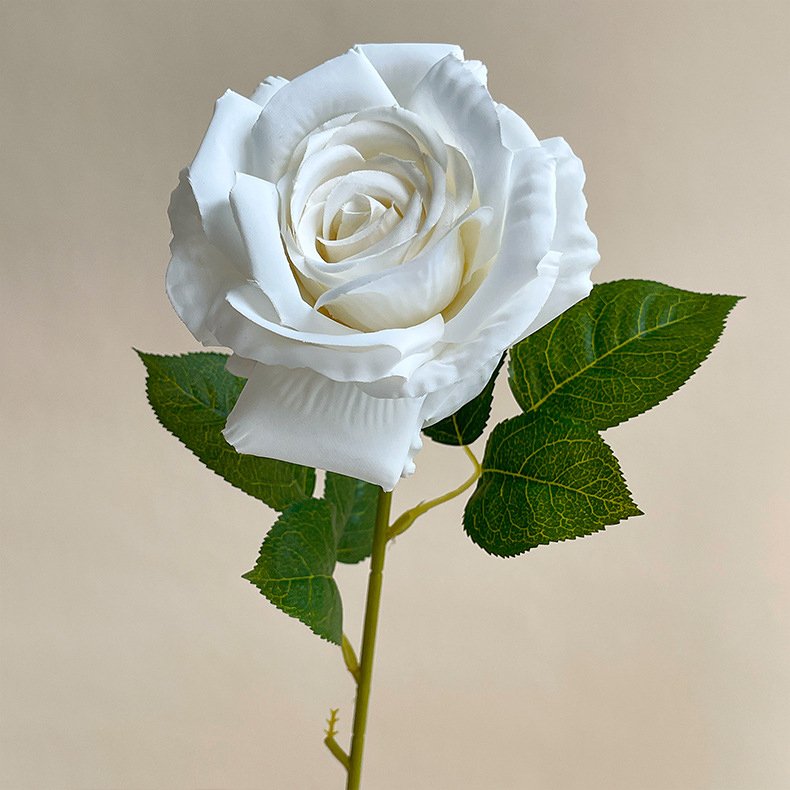
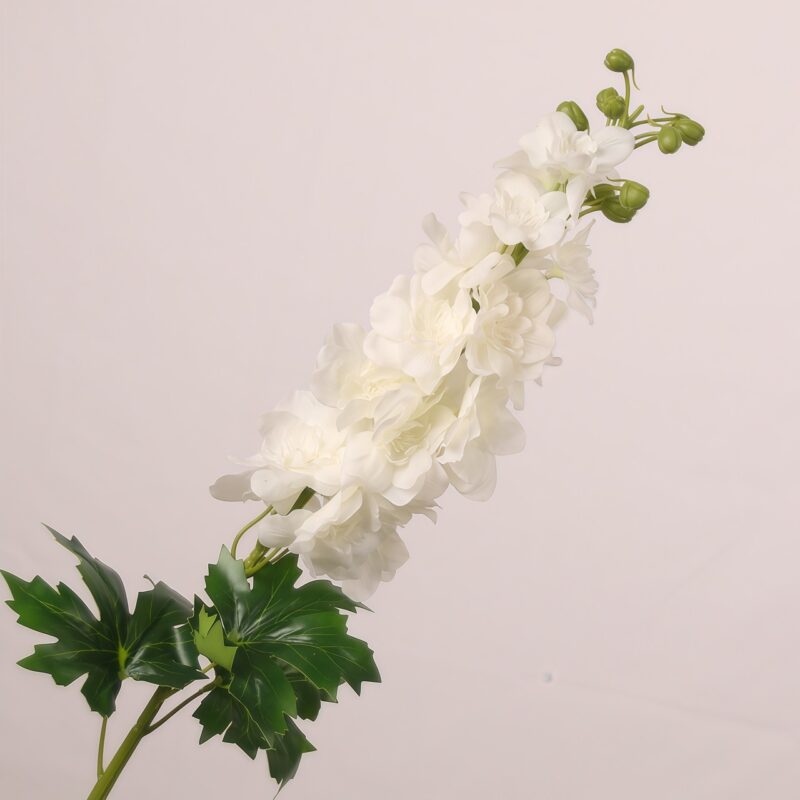
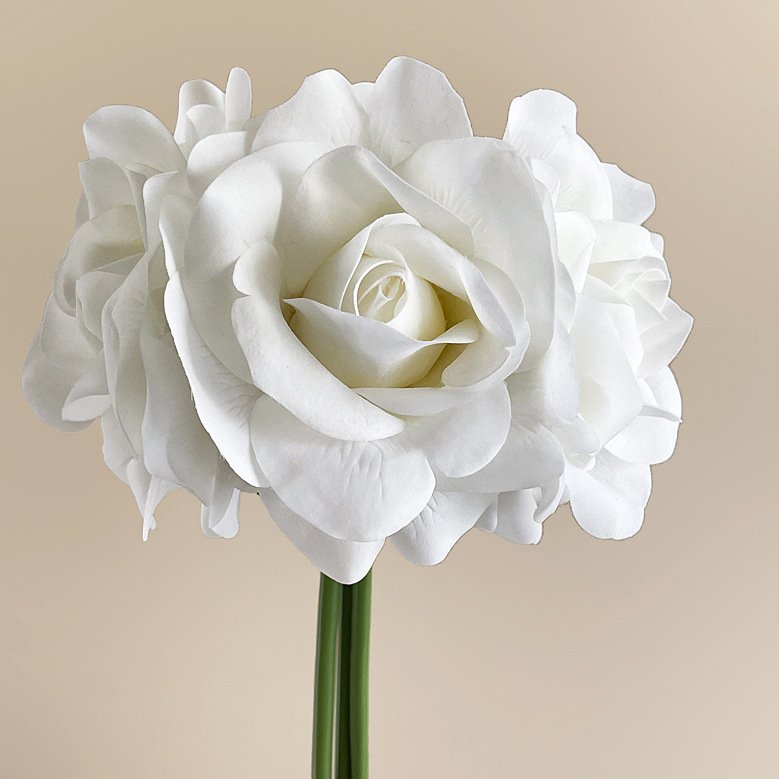
Quick answer: Artificial flowers are usually more cost-effective when you need reusable wedding decor, early setup, stable color, or large event installations. Real flowers are better when fragrance, fresh seasonal texture, and a one-day natural floral experience matter most.
For weddings, celebrations, retail displays, and home decor, the real decision is not only “real or fake.” It is how long the flowers need to look good, how much control you need over color and shape, and whether the arrangements can be reused after the event.
This guide compares artificial flowers vs real flowers by cost, reuse value, setup timing, durability, appearance, and best use cases so you can choose the right option for your event or decor project.
Reusable decor, early setup, stable color, large installations
Cost value
Often a one-time event cost
Cost per use can drop when reused
Timing
Needs careful delivery, hydration, and same-day handling
Can be prepared days or weeks in advance
Shape and color
Natural variation and seasonal differences
More consistent shape, color, and volume
After the event
Usually wilts or has limited reuse
Can be stored, restyled, rented, or used again
Cost: Real Flowers Can Become Expensive Quickly
Fresh flowers are not priced only by the flowers themselves. A wedding floral proposal usually includes flower sourcing, seasonal availability, design labor, transportation, setup, styling, and sometimes breakdown after the event.
In the United States, recent wedding industry data often places the average wedding flower spend around a few thousand dollars. In California, especially in areas such as Los Angeles, Orange County, San Francisco, Napa, and the Bay Area, fresh wedding flowers can cost more because of labor, venue requirements, transport, and design expectations.
As a California example, public florist price guides commonly show:
Bridal bouquets often around $150-$500+
Bridesmaid bouquets around $75-$200 each
Table centerpieces around $100-$500+ each
Ceremony arches from several hundred dollars to several thousand dollars
Full-service wedding floral budgets often starting from a few thousand dollars and moving much higher for larger events
These prices can make sense for couples who want fresh flowers for one special day. But for many buyers, the challenge is that real flowers are usually used once. After the wedding, they begin to wilt, dry, brown, or lose their shape.
Artificial flowers solve this problem in a different way. The upfront cost can be controlled by quantity, material, flower type, and arrangement size. More importantly, the flowers do not lose their value after one event.
Reuse Value: Artificial Flowers Can Be Used Again
One of the strongest advantages of artificial flowers is reuse.
After a wedding ceremony, artificial flowers can be reused for:
Home decoration
Birthday parties
Baby showers
Bridal showers
Family gatherings
Holiday decorations
Anniversary dinners
Retail displays
Photo backdrops
Future wedding or event rentals
For example, flowers used on a wedding arch can later be separated and styled around a home entryway, dining table, fireplace, party backdrop, or birthday dessert table. Bridesmaid bouquets can become vase arrangements. Table centerpieces can be reused for family celebrations, holiday dinners, or small events.
This makes artificial flowers more than a one-day purchase. They become reusable decor assets.
For wedding planners, event decorators, florists, and rental companies, this advantage is even stronger. A well-made faux flower arrangement can be rented, restyled, photographed, stored, and used again for different clients and themes.
Shape: Real Flowers Are Natural, But Not Always Stable
Real flowers have natural beauty, but their shape changes over time. Some flowers open too quickly. Some arrive smaller than expected. Some petals bruise during transport. Heat, sunlight, wind, humidity, and long setup hours can all affect the final look.
This can be a real concern for California weddings, especially outdoor ceremonies, summer events, vineyard weddings, garden weddings, and beach celebrations.
Artificial flowers keep their shape before, during, and after the event. A rose stays open. A peony stays full. A hydrangea does not collapse from heat. A floral arch can be prepared early without worrying about wilting.
For event planning, this stability matters. It allows decorators to prepare installations in advance, reduce day-of pressure, and keep the design consistent from the ceremony to the reception.
Color Control: Artificial Flowers Are Easier to Match
Fresh flower colors can vary by season, grower, weather, and supply. A blush rose may look warmer in one batch and cooler in another. White flowers may arrive ivory, cream, greenish, or slightly bruised. This natural variation is part of fresh flower beauty, but it can be difficult when a wedding or party has a strict color palette.
Artificial flowers provide better color control. Ivory, dusty rose, champagne, burgundy, sage green, terracotta, mocha, and dusty blue can be selected and repeated more easily across bouquets, arches, centerpieces, aisle flowers, and backdrops.
This is helpful for:
Wedding color themes
Brand events
Retail displays
Photography sets
Coordinated party decor
Wholesale floral collections
When the goal is a consistent look across the whole event, artificial flowers are often easier to manage.
Freshness and Timing: Artificial Flowers Reduce Event-Day Risk
Fresh flowers need careful timing. They must be ordered, shipped, stored, hydrated, processed, arranged, delivered, installed, and kept fresh until the event begins. If the venue has a short setup window, the florist has limited time to complete everything.
Artificial flowers are more flexible. They can be prepared days or weeks before the event. Large arches, flower walls, hanging installations, and table arrangements can be built in advance and transported more easily.
For weddings, this can reduce stress. For event businesses, it can reduce labor pressure and improve planning efficiency.
Maintenance: Real Flowers Need Care; Faux Flowers Need Storage
Real flowers need water, temperature control, and careful handling. They are delicate, and once damaged, they are difficult to restore.
Artificial flowers do not need water and are easier to maintain. They should still be handled carefully, kept away from long-term direct sunlight, and stored in clean, dry conditions. Dust can be removed with light air blowing or a soft cloth.
The main difference is that artificial flowers can be stored and used again, while real flowers naturally have a short display life.
Sustainability and Waste
Fresh flowers are natural, but event flower waste can be significant. After a wedding or celebration, many fresh arrangements are thrown away because they cannot be stored for long.
Artificial flowers are not biodegradable in the same way as fresh flowers, but their reuse value can reduce single-event waste. When one set of flowers is used for a wedding, then reused for a birthday party, home decoration, holiday table, or another event, the cost per use becomes much lower.
The more often artificial flowers are reused, the stronger their value becomes.
Best Uses for Real Flowers
Real flowers are still a strong choice when fragrance, seasonal freshness, and natural movement are the top priorities. They are especially beautiful for intimate dinners, luxury fresh flower arrangements, and events where the short life of fresh blooms is part of the experience.
Real flowers may be best when:
Fragrance is important
The event is small and short
A seasonal fresh flower look is required
The budget allows single-use floral design
The couple or host strongly prefers fresh flowers
Best Uses for Artificial Flowers
Artificial flowers are a strong choice when the buyer wants beauty, control, durability, and better long-term value.
Artificial flowers are especially useful for:
Wedding arches
Bridal bouquets
Table centerpieces
Flower walls
Aisle flowers
Home parties
Birthday decorations
Holiday displays
Event rental inventory
Retail and showroom displays
Large-volume wholesale projects
They are also useful when the event needs to be set up early, moved between spaces, photographed repeatedly, or reused after the celebration.
A Practical Example
Imagine a California wedding using fresh flowers for a bridal bouquet, bridesmaid bouquets, ceremony arch, aisle flowers, and reception centerpieces. Depending on the city, guest count, flower types, and design style, the floral budget can easily reach several thousand dollars.
After the event, most of those flowers have limited reuse value.
Now imagine using high-quality artificial flowers for the arch, table centerpieces, and backdrops. After the wedding, the same flowers can be reused for a family dinner, birthday party, baby shower, holiday decoration, or home styling. For an event planner, the same pieces can become part of future rental inventory.
This is where artificial flowers become more cost-effective. The value does not end when the wedding ends.
How NB8 Floral Looks at Flower Choice
NB8 Floral has worked in the artificial flower industry for more than 20 years. From our experience, the best choice is not always about choosing only real flowers or only artificial flowers. The better question is: what result do you need, and how many times do you want to use the flowers?
For close-up fragrance and short-term freshness, real flowers can be beautiful. For reusable wedding decor, stable color, early setup, large installations, home parties, and wholesale event supply, artificial flowers often provide stronger value.
Many designers also combine both. Real flowers can be used for special fresh details, while artificial flowers create the main structure, volume, and reusable decoration.
Related NB8 Floral Guides
If you are comparing artificial flowers vs real flowers for a specific project, these NB8 Floral guides can help you choose materials, styles, and buying options:
Real flowers are beautiful, but they are usually a one-time event cost. Artificial flowers offer beauty with longer-term value. They keep their shape, control color better, reduce setup pressure, and can be reused for weddings, home parties, birthday celebrations, holiday decor, retail displays, and future events.
For buyers in California and other high-cost event markets, this reuse advantage can make a real difference. If you want flowers that look beautiful on the wedding day and continue to bring value after the celebration, artificial flowers are a practical and cost-effective choice.
FAQ
Are artificial flowers cheaper than real flowers?
Artificial flowers are often more cost-effective over time because they can be reused for weddings, home decor, retail displays, parties, and future events. Real flowers may cost less or more depending on the design, but they usually have a short display life.
Are artificial flowers good for weddings?
Yes. High-quality artificial flowers are widely used for wedding arches, bouquets, centerpieces, flower walls, aisle decor, and photo backdrops.
Can artificial wedding flowers be reused after the wedding?
Yes. They can be reused for home decor, birthday parties, baby showers, holiday decorations, family gatherings, and future events.
Do artificial flowers keep their shape better than real flowers?
Yes. Artificial flowers do not wilt or collapse from heat, long setup time, or lack of water, making them useful for outdoor and long-day events.
Should I mix real flowers and artificial flowers?
Mixing both can work well. Real flowers can add freshness and fragrance, while artificial flowers provide structure, volume, color control, and reuse value.
NB8 Floral supplies wholesale artificial flowers to florists, event professionals, and retailers in the US. Our guides are written from what we see in production, QC, and customer orders.
Dahlia is the flower that exposes how an artificial bloom was made, because its whole structure is petal tips and there is nowhere for a shortcut to hide.
Lilies and calla lilies sit in the same collection on most sites, including ours, and that grouping hides the fact that they do opposite things in an arrangement.
Most wedding flower budget advice is a single percentage — flowers are "about 8 to 10 percent of the total," a planning rule of thumb that has been repeated for decades. It is a fine starting point an
The arithmetic that starts most DIY plans is simple: the florist quoted $4,200, the stems cost $900, so DIY wedding flowers save $3,300. That number is wrong in both directions, and the gap between it
A palette chosen on a laptop screen in a bright room has almost nothing to do with how those flowers will look at 7pm in the room where the wedding actually happens. This is the most common and least
This is not about how long flowers last outdoors over a season. It is about a single afternoon — the six hours between install and the last dance, which is the only window that matters for outdoor wed
You picked the flower before you picked the date, and now the quote has come back at three times what you expected — or the answer is simply that nobody can get it that month. Wedding flowers out of s
Every wedding budget spreadsheet eventually arrives at the same idea: build the flowers once, use them twice. The ceremony arch becomes the head table garland, the aisle markers move to cocktail table