Artificial Flower Color Matching Guide for Wholesale Buyers: Samples, Batch Checks, and Reorders

0
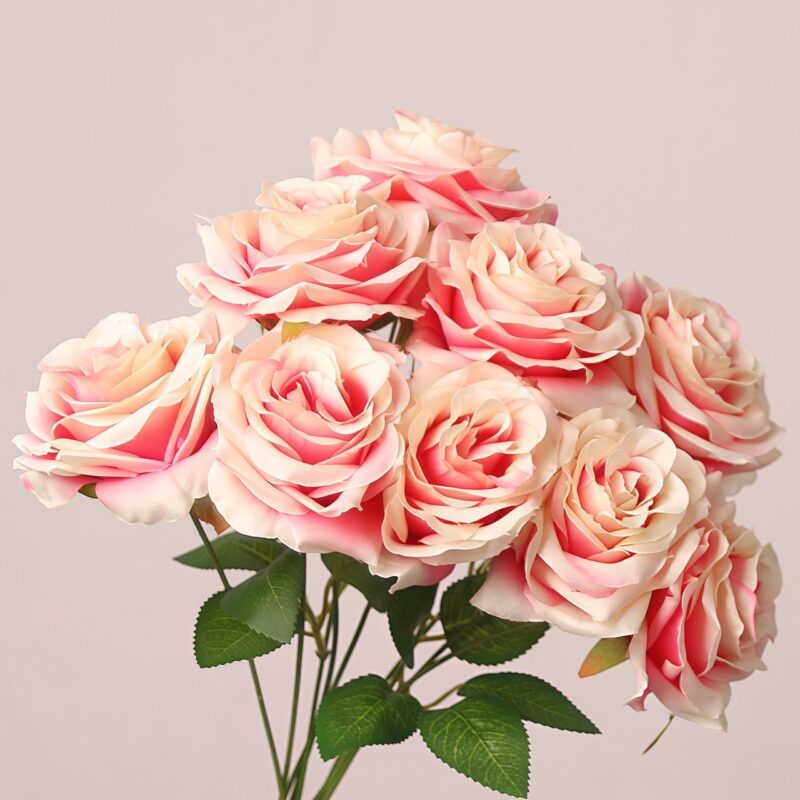
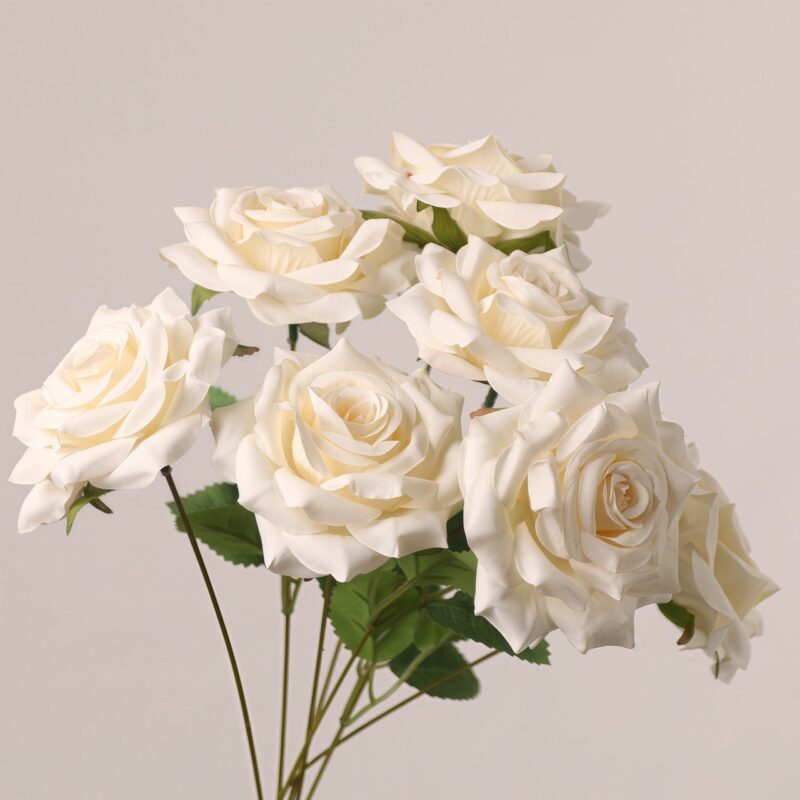
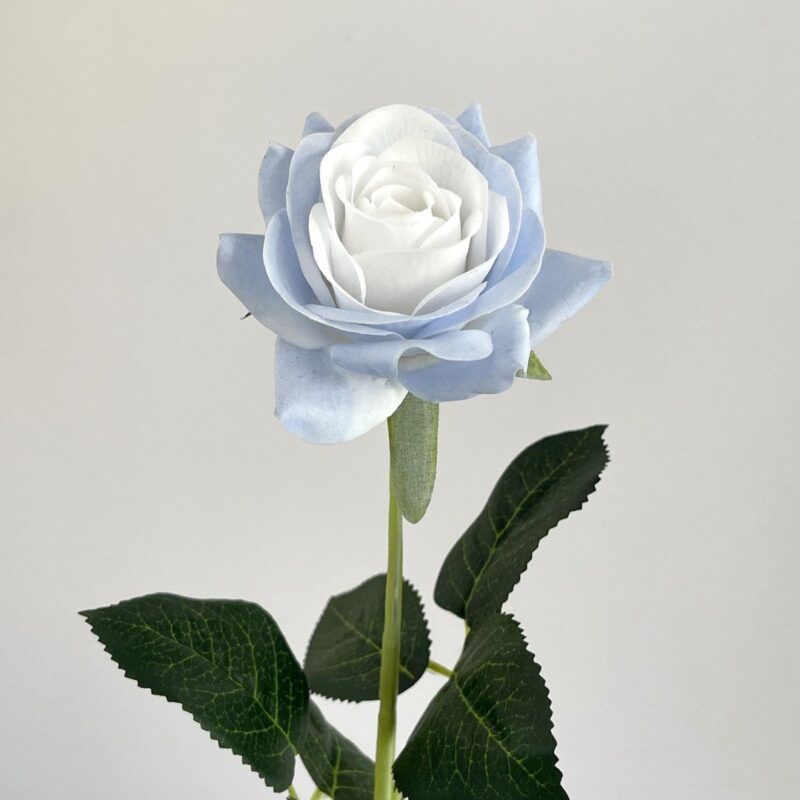
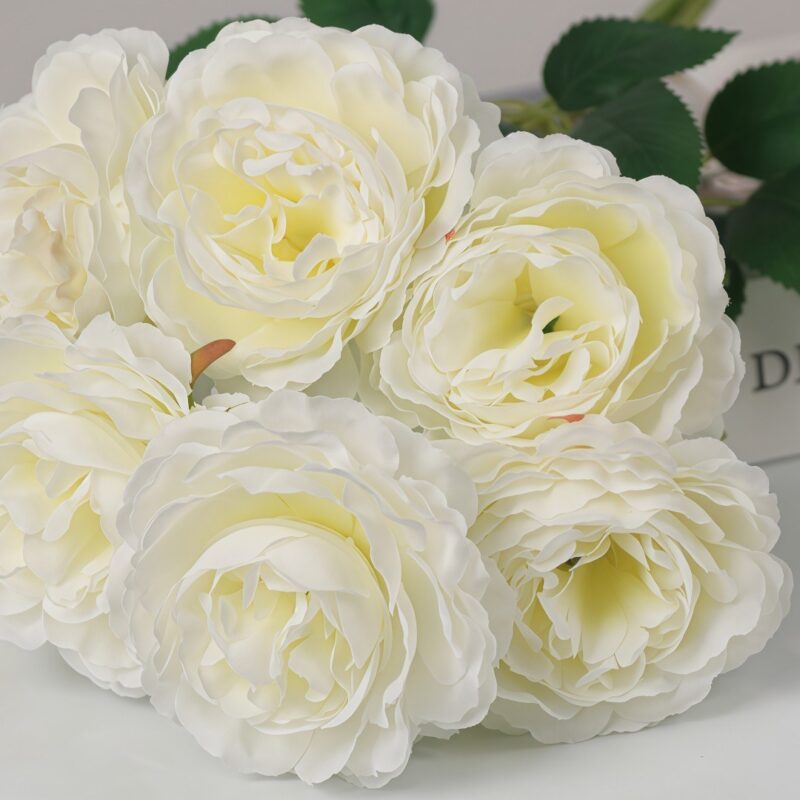
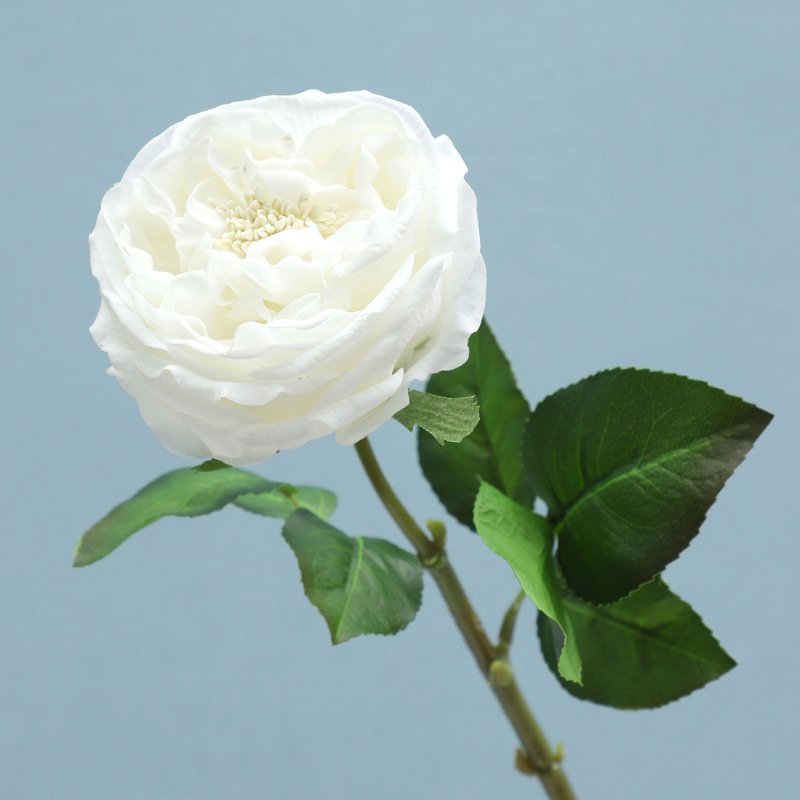
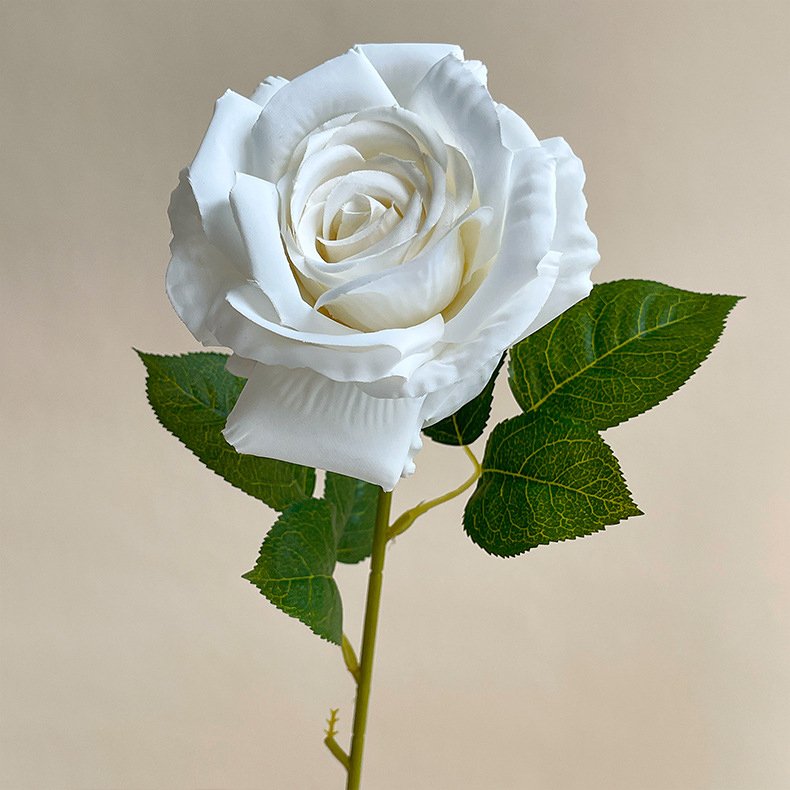
Mixed color artificial rose stems bouquet for wedding floral arrangement

Artificial flower color matching affects wedding palettes, retail displays, event installations, and repeat wholesale orders. A color name alone is not enough because screens, lighting, materials, and production batches can change how a color appears.

This guide gives importers, retailers, florists, wedding suppliers, event companies, and purchasing teams a practical process for approving color before bulk purchasing.

Quick Answer

Use an approved physical sample as the main color reference. Record the SKU, supplier color name, material, photos under neutral light, and acceptable variation before the bulk order. For reorders, send the previous order number and approved reference again instead of relying only on a color name such as ivory, blush, burgundy, or champagne.

1. Define the Color Reference

Start by deciding what the product must match. It may be an approved flower sample, fabric swatch, ribbon, invitation, brand color, event mood board, or an existing retail collection.

Choose one primary reference. If several reference images show different tones, the supplier cannot know which one controls the order.

2. Do Not Approve Color From a Screen Alone

Phone brightness, monitor settings, camera processing, image compression, and background colors can change the appearance of a product. The same artificial flower may look warmer, cooler, lighter, or more saturated on different screens.

Use photos to narrow the selection, then approve important colors with a physical sample. Follow the Artificial Flower Samples Guide or go directly to REQUEST SAMPLES.

3. Record the Exact SKU and Supplier Color Name

Color names are not universal. One supplier’s ivory may look like another supplier’s cream. Even within one catalog, two materials with the same color name may not appear identical.

  • Product SKU
  • Supplier color name or code
  • Material
  • Sample approval date
  • Order number

This information makes bulk confirmation and future reorders more reliable.

4. Check How the Material Changes the Color

Polyester fabric, PU, latex-style coatings, plastic leaves, foam, and flocked surfaces reflect light differently. A matte petal may look softer than a glossy petal even when the base color is similar.

Compare color on the final material, not on an unrelated flower sample. See the Artificial Flower Materials Guide when deciding which surface and finish fit the project.

5. Review the Sample Under More Than One Light

Check the sample in daylight and under the lighting used at the final location. Warm indoor light can add yellow tones. Cool light can make some colors look gray or blue.

For retail or event approval, photograph the sample with a neutral background and a simple label showing the SKU and color. Keep these photos with the purchasing record.

6. Agree on Acceptable Color Variation

Artificial flowers are manufactured products, but buyers should still discuss reasonable color variation before ordering. The acceptable range depends on the product, material, use case, and how closely different pieces will be displayed together.

A wedding centerpiece placed at close viewing distance may need tighter visual consistency than large greenery used across a wide event space. Do not use words such as “close enough” without an approved reference.

7. Check the Bulk Batch Before Shipment

Ask the supplier to compare the bulk batch with the approved sample before packing. If an order includes several cartons or production batches, confirm whether the products will be mixed in the same installation or retail display.

For important color programs, request clear bulk photos or another agreed inspection record before shipment. Color is only one part of the review; quantity, appearance, labels, and packaging also need confirmation.

8. Keep a Reference for Reorders

Do not place a reorder using only a message such as “same pink as last time.” Send the previous order number, SKU, color code, approved photos, and physical reference when available.

Ask whether the reorder comes from the same available batch or a new production batch. If exact visual continuity is critical, approve the reorder color before the new bulk shipment.

Color Approval Checklist

  • What is the primary color reference?
  • Was a physical sample approved?
  • Are the SKU, color name, and material recorded?
  • Was the sample checked in relevant lighting?
  • Is acceptable variation understood?
  • Will the bulk batch be checked against the sample?
  • Are reorder references stored?

For broader supplier evaluation, read the Artificial Flower Supplier Checklist and the Wholesale Artificial Flowers Buying Guide. For display preparation, see How to Make Artificial Flowers Look Real.

FAQ

Can artificial flower color be approved from photos?

Photos are useful for initial selection, but a physical sample is safer when color is important because screens, cameras, backgrounds, and lighting can change the appearance.

Why can the same color name look different?

Color names are not universal, and different materials or finishes reflect light differently. Always connect the color name to a specific SKU and sample.

How should buyers manage color on reorders?

Send the previous order number, SKU, supplier color code, approved photos, and physical reference when available. Confirm whether the reorder uses the same batch or a new batch.

Final Takeaway

Reliable artificial flower color matching starts with one approved reference and a written record. Confirm the SKU, material, lighting, acceptable variation, bulk batch, and reorder reference before color becomes a purchasing problem.

REQUEST SAMPLES

Check colors for yourself: browse White Flowers, Assorted Florals, and Roses — or order the NB8 Sample Box to compare shades under your own lighting before a bulk order.

Leave a Reply

Your email address will not be published. Required fields are marked *