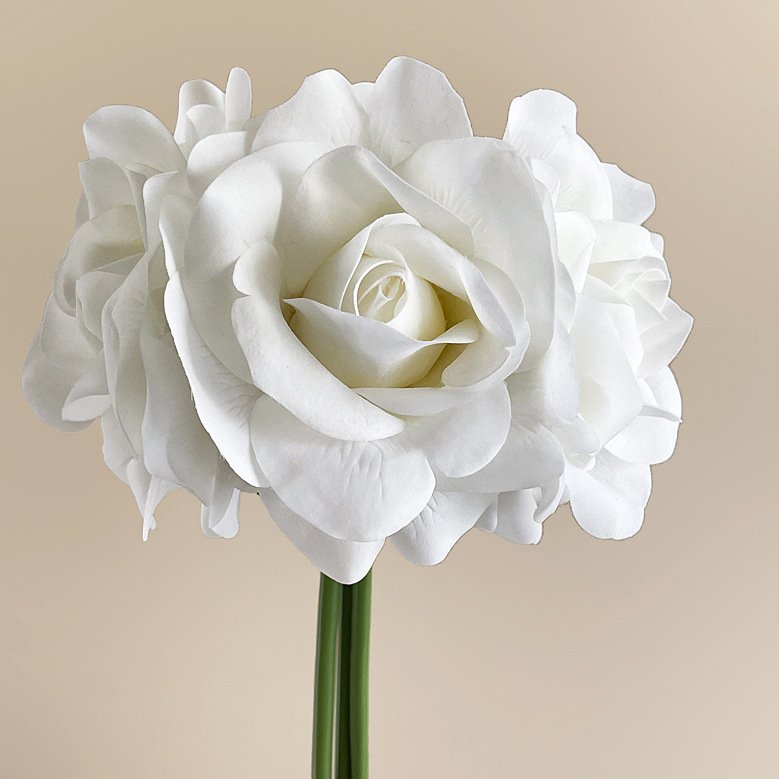
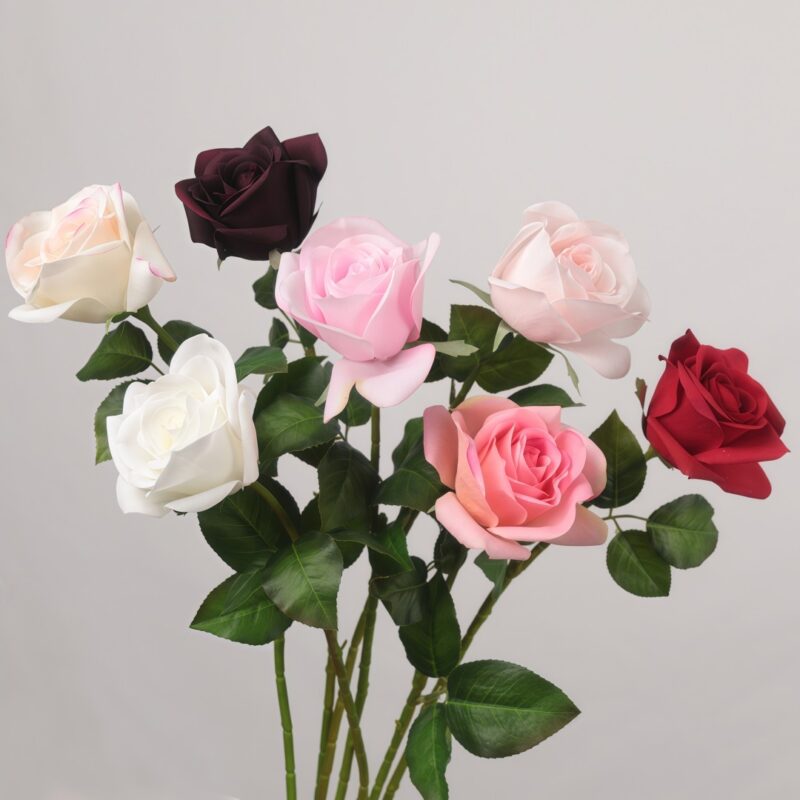
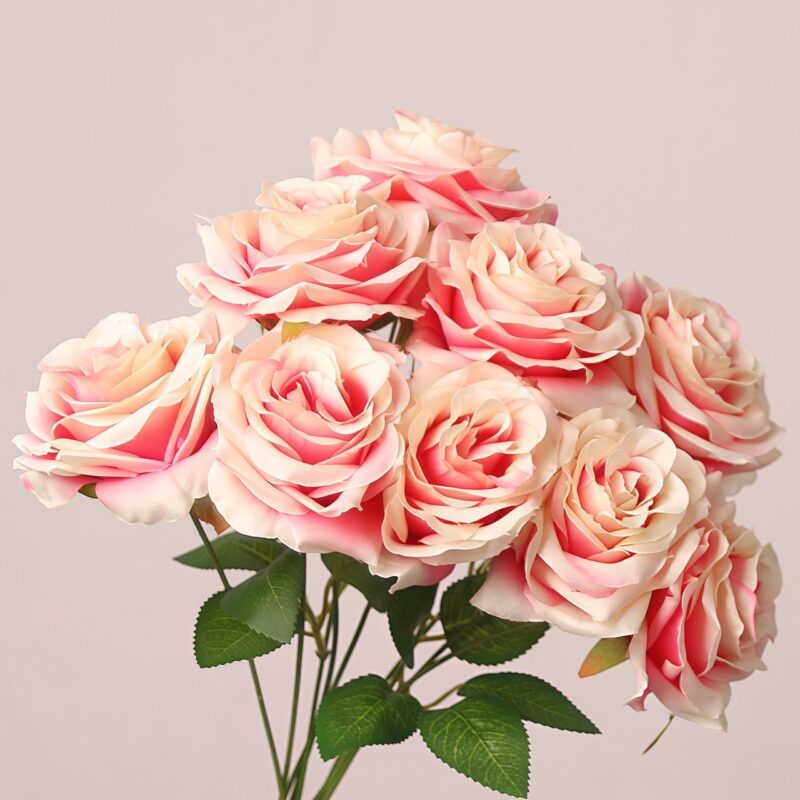
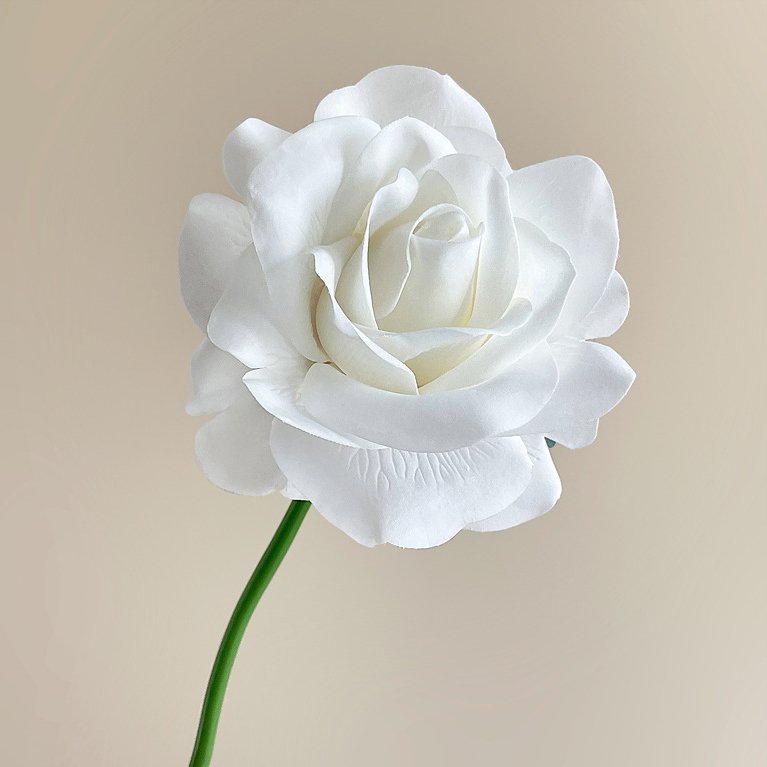
Choosing artificial flowers is not only about picking the prettiest bloom. The right flowers should match the space, the event, the season, the lighting, and the feeling you want to create. A soft ivory rose can make a wedding table feel romantic. A dusty blue hydrangea can calm a bedroom corner. A deep burgundy peony can make an autumn event feel richer and more dramatic.
For weddings, home decor, party styling, retail displays, and wholesale floral design, artificial flowers are useful because they offer consistency and flexibility. But to get a polished result, buyers should look carefully at three key details: color, flower shape, and material.
NB8 Floral has worked in the artificial flower industry for more than 20 years. From our experience, a good artificial flower is not chosen by one feature alone. The best choice usually comes from the balance of color, shape, texture, and use scenario.
1. Start with Color: What Mood Do You Want?
Color is usually the first thing people notice. Before choosing a flower type, think about the atmosphere you want to create.
Soft colors such as ivory, cream, blush, champagne, dusty pink, and light peach are often used for romantic weddings, bridal showers, baby showers, bedrooms, and gentle home decor. These colors feel warm, soft, and easy to match.
Deeper colors such as burgundy, plum, terracotta, rust, mocha, and dark red create a stronger visual effect. They work well for autumn weddings, holiday decorations, dramatic event backdrops, dining table styling, and luxury retail displays.
Fresh colors such as white, sage green, dusty blue, lavender, and light yellow can make a space feel clean, bright, and calm. These colors are useful for spring styling, garden weddings, modern homes, and fresh retail displays.
When choosing artificial flower colors, do not look at the flower alone. Look at the full environment:
- Wall color
- Table linens
- Furniture tone
- Wedding theme
- Lighting
- Photography style
- Other floral elements
Artificial flowers are especially helpful when a project requires consistent color. Fresh flowers can vary by season and batch, while artificial flowers make it easier to repeat the same shade across bouquets, arches, centerpieces, flower walls, and home arrangements.
2. Choose Colors That Work With the Space
For home decor, color should support the room instead of fighting with it.
In a neutral living room, ivory, beige, champagne, and soft greenery usually feel natural. If the room already has warm wood, terracotta or mocha flowers can add depth. If the room has cool gray, white, or blue tones, dusty blue, lavender, soft pink, or white flowers may look more balanced.
For dining tables, the flower color should also match the mood of the meal. Light colors feel fresh for brunch. Warm colors feel cozy for dinner. Deep colors feel more formal for holidays and celebrations.
For weddings, color selection should connect with the bridal party, venue, season, and photography style. A beach wedding may need lighter and airier colors. A vineyard wedding may work better with champagne, mauve, burgundy, or greenery. A modern indoor wedding may look beautiful with white flowers and clean green leaves.
The best color is not always the most eye-catching color. It is the color that makes the whole design feel complete.
3. Understand Flower Shape
Flower shape affects the feeling of an arrangement just as much as color.
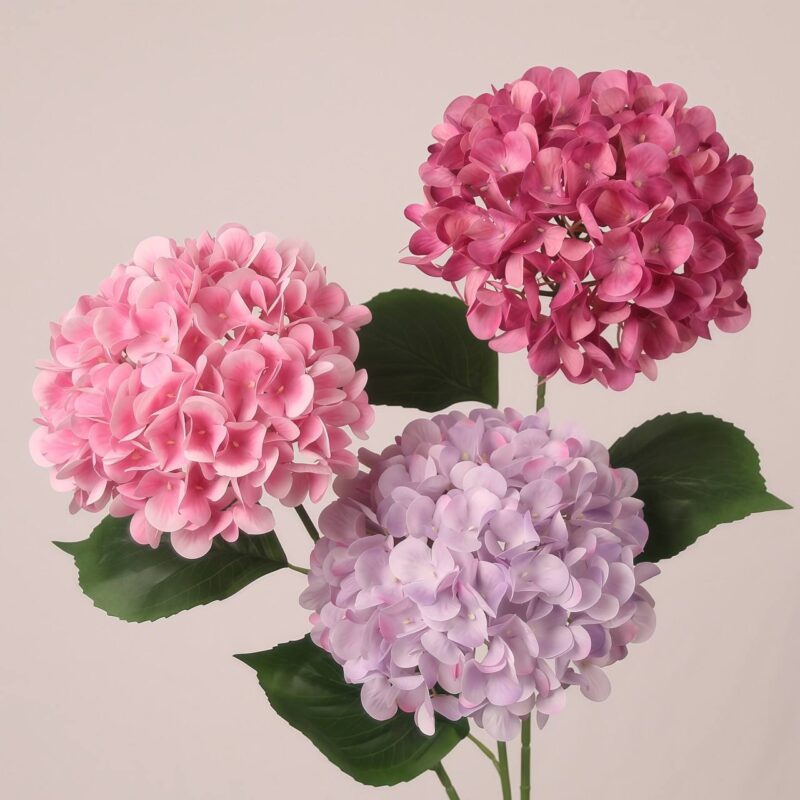
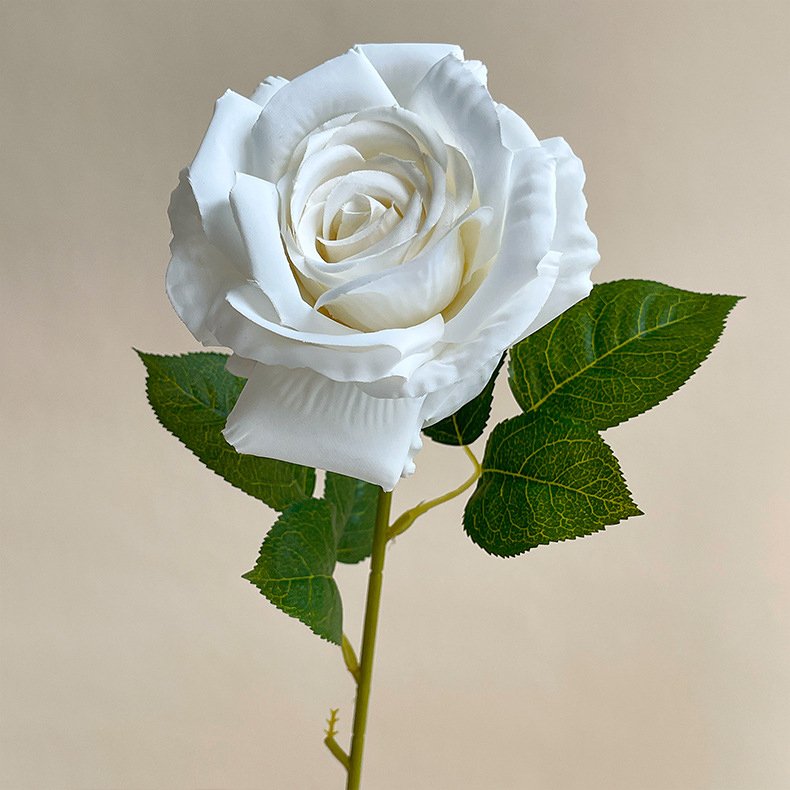
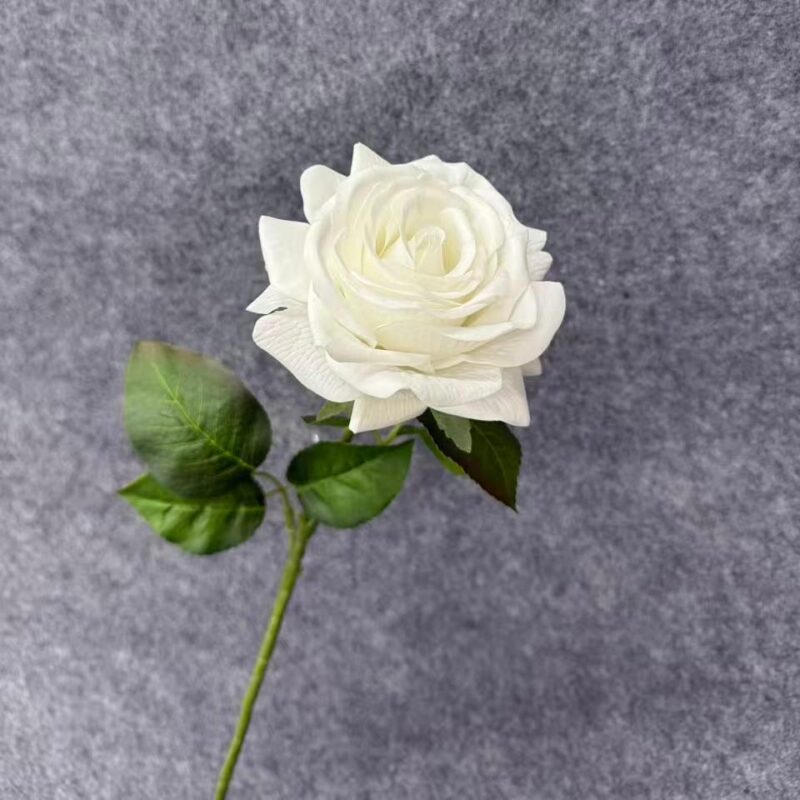
Round flowers, such as roses, peonies, ranunculus, and hydrangeas, create softness and fullness. They are useful for wedding bouquets, table centerpieces, flower arches, and romantic home decor.
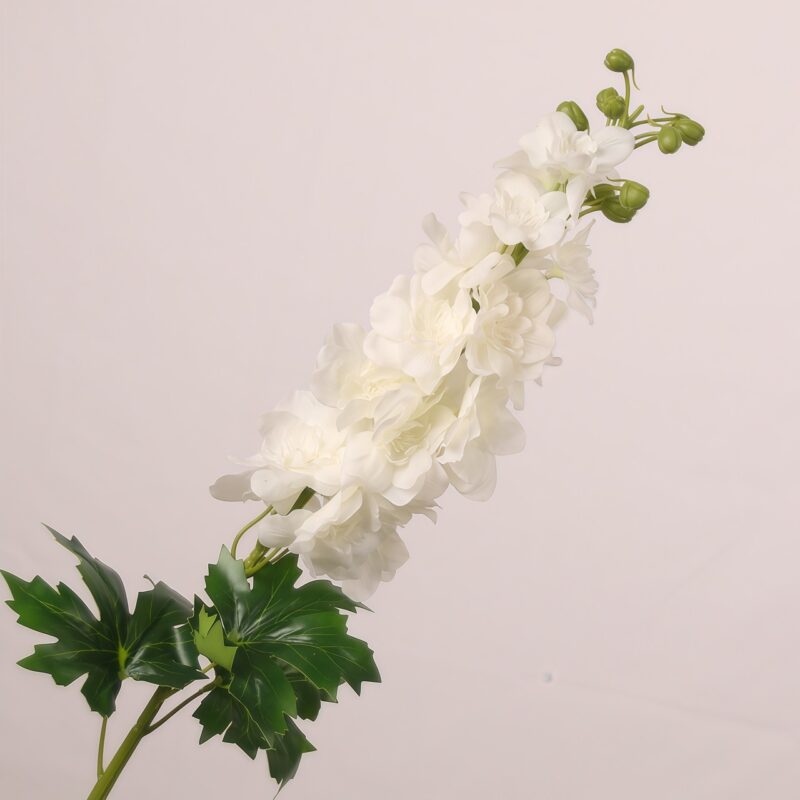
Long or airy flowers, such as delphinium-style stems, wisteria, amaranthus, and hanging floral stems, add movement and height. They work well for ceremony arches, hanging installations, window displays, mantel styling, and large event backdrops.
Small filler flowers add detail and texture. They help make an arrangement feel more natural and less flat. Greenery, small blossoms, berries, and branch-style stems are often used to soften the spaces between larger flowers.
When choosing flower shapes, think about structure:
- Do you need a full, round arrangement?
- Do you need height?
- Do you need movement?
- Do you need flowers that hang naturally?
- Do you need small details to fill gaps?
A balanced arrangement usually includes more than one flower shape. Large blooms create the main focus. Medium flowers connect the design. Small filler flowers and greenery make the arrangement feel natural.
4. Match Flower Shape to the Use
Different uses need different shapes.
For bridal bouquets, choose flowers that look good close up. Roses, peonies, ranunculus, tulips, and hydrangeas are popular because they create a soft, full shape in the hand. Add greenery or small filler flowers to make the bouquet feel more natural.
For wedding arches, larger blooms and longer stems are useful because the design needs to be visible from a distance. Peonies, roses, hydrangeas, wisteria, and hanging flowers can help create volume and movement.
For table centerpieces, choose flowers that do not block the view across the table. Lower, rounded flowers are usually easier to use. For dramatic events, taller stems can be placed in high vases.
For home decor, the shape should fit the location. A small nightstand needs simple stems. A dining table needs a low arrangement. A console table can handle taller stems. A fireplace mantel may look better with flowers that stretch horizontally or hang slightly over the edge.
The right shape makes the flower feel like it belongs in the space.
5. Choose the Right Material
Material affects how an artificial flower looks, feels, photographs, and lasts.
Silk-style flowers are common because they are light, soft, and suitable for many arrangements. They are often used for weddings, home decor, party styling, and large-volume floral projects. Good silk-style flowers can look elegant, especially when the petals have natural color gradients and soft edges.
Real touch flowers are designed to feel closer to fresh petals. They often have a more realistic texture and weight. They are useful for bridal bouquets, close-up photography, premium home decor, and arrangements where guests may touch the flowers.
Foam flowers are lightweight and often used for DIY bouquets, craft projects, and budget-friendly event decor. They can be useful when volume and easy handling are more important than close-up realism.
Plastic flowers and greenery can be durable and practical, especially for outdoor displays, garlands, greenery walls, retail installations, and areas that need easier cleaning. However, the finish matters. A high-quality plastic leaf can look fresh and natural, while a low-quality one may look too shiny.
Different materials have different strengths. The best choice depends on the use.
6. Think About Lighting and Photography
Artificial flowers can look different under different light.
Natural daylight usually shows color and texture more clearly. Warm indoor lighting can make ivory, champagne, and peach flowers look richer. Cool lighting can make white and blue flowers look cleaner. Strong direct light may reveal overly shiny surfaces.
For weddings and events, always think about photography. Flowers used in bouquets, table settings, and photo backdrops should look good both in person and on camera. Soft textures, natural color transitions, and balanced shapes usually photograph better.
For home decor, look at the room during the time of day you use it most. A flower arrangement beside a window may need different colors than one placed in a darker hallway.
7. Check Details Before Buying
A good artificial flower should look considered from more than one angle.
Check these details:
- Petal texture
- Color transition
- Edge finishing
- Stem flexibility
- Leaf shape
- Whether the flower head holds its form
- Whether the flower looks natural from the side
- Whether the material is too shiny
- Whether the color matches your project
For online buying, look for clear photos, close-up images, size information, color names, and material descriptions. If you are buying for a wedding, event, store display, or wholesale project, samples can help you check color and texture before ordering larger quantities.
8. Choose by Scenario, Not Only by Style
The same flower may be perfect for one project and wrong for another.
For weddings, choose flowers that are stable, photogenic, and easy to prepare in advance. For home decor, choose flowers that match the room and can stay in place naturally. For retail displays, choose flowers with strong visual impact and good durability. For event rentals, choose flowers that can be stored, moved, cleaned, and reused.
This is why professional decorators often think in terms of use scenario first. A flower wall needs volume. A bridal bouquet needs detail. A dining table needs balance. A store window needs visibility. A bedroom vase needs softness.
When the scenario is clear, the right color, shape, and material become easier to choose.
Related NB8 Floral Guides
Use these related NB8 Floral guides to continue choosing the right artificial flowers for weddings, home decor, events, and wholesale buying:
- Artificial flowers vs real flowers cost and reuse guide
- Wedding artificial flowers guide for bouquets, arches, centerpieces, and reception decor
- Real touch flowers guide for close-up realism and premium floral styling
- Artificial flower materials guide for silk, real touch, PU, plastic, foam, and greenery
- Wholesale artificial flowers buying guide for supplier selection, samples, materials, and shipping
Final Thoughts
Choosing artificial flowers becomes much easier when you look at three things together: color, shape, and material.
Color creates the mood. Shape builds the structure. Material determines texture, realism, and practical use. When these three details work together, artificial flowers can look natural, polished, and suitable for the space.
Whether you are planning a wedding, styling a dining table, decorating a living room, preparing a party backdrop, or sourcing flowers for a business, the best artificial flowers are the ones that fit the purpose. They should look beautiful, feel appropriate, and continue to bring value after the first use.
FAQ
What color artificial flowers should I choose?
Choose colors based on the mood and space. Ivory, cream, blush, and champagne are soft and romantic. Burgundy, terracotta, and mocha are warmer and more dramatic. White, sage green, and dusty blue feel fresh and calm.
What flower shapes are best for wedding decor?
Roses, peonies, hydrangeas, ranunculus, wisteria, and hanging flowers are useful for wedding bouquets, arches, centerpieces, and backdrops because they provide volume, softness, and structure.
What is the best material for artificial flowers?
It depends on the use. Silk-style flowers are flexible and elegant. Real touch flowers are better for close-up realism. Foam flowers are lightweight and easy for DIY. Plastic greenery can be durable for displays and installations.
How do I make artificial flowers look more realistic?
Choose natural colors, mix different flower sizes, bend stems slightly, add greenery, avoid overly shiny materials, and arrange the flowers in a relaxed way.
Should I order samples before buying artificial flowers in bulk?
For weddings, event decor, retail displays, and wholesale projects, samples are useful because they help confirm color, texture, size, and material before placing a larger order.
Flowers mentioned in this guide
- Greenery — PU Monstera Deliciosa – GZHJ2008, Real Touch Eucalyptus – 128-YWHB0008, Silk Hanging Millet YY2005, PVC Leaves 5 Forks – FSQH4005
- Hanging Flowers — PVC Hanging Flower – FSQHCD8000, Real Touch Hanging Bird of Paradise 9 Heads – 141, PVC Hanging Flower – FSQH50052, Foam Hanging Flower – FSQH7005
- Hydrangeas — Silk Hydrangea – 37-CFSY4000, Real Touch Hydrangeas JM8005, Silk Hydrangea – JY3007 (White), Silk Hydrangea 5 Heads – TJJS7005
- Peonies — Silk Peony 7 Heads – JC4007, Silk Peony Bouquet SYALI3004, Silk Peony 4 Heads – TJXH3002, Silk Peony – D-TJXH3008