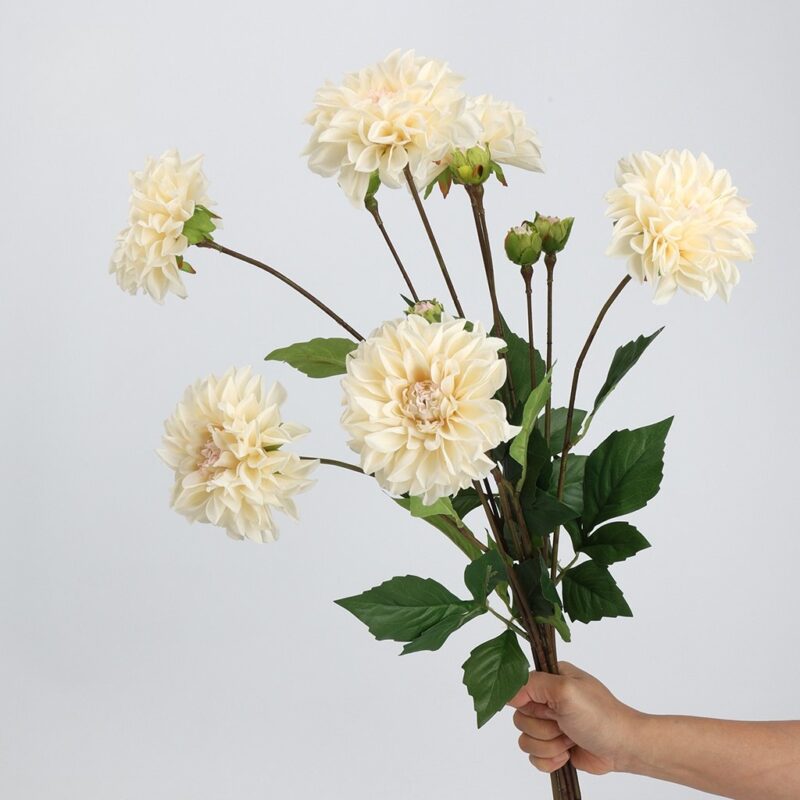
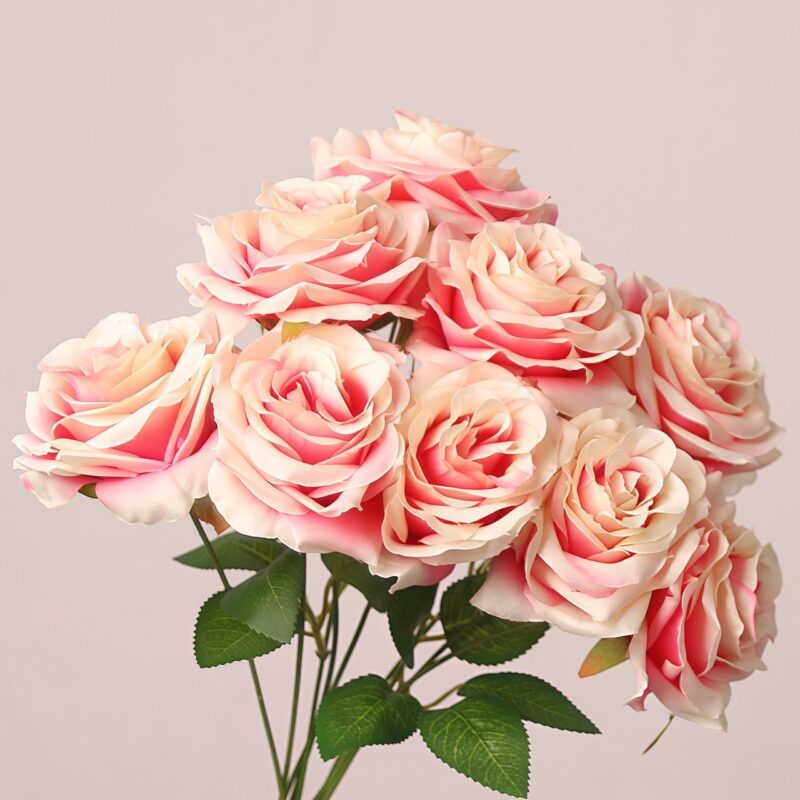
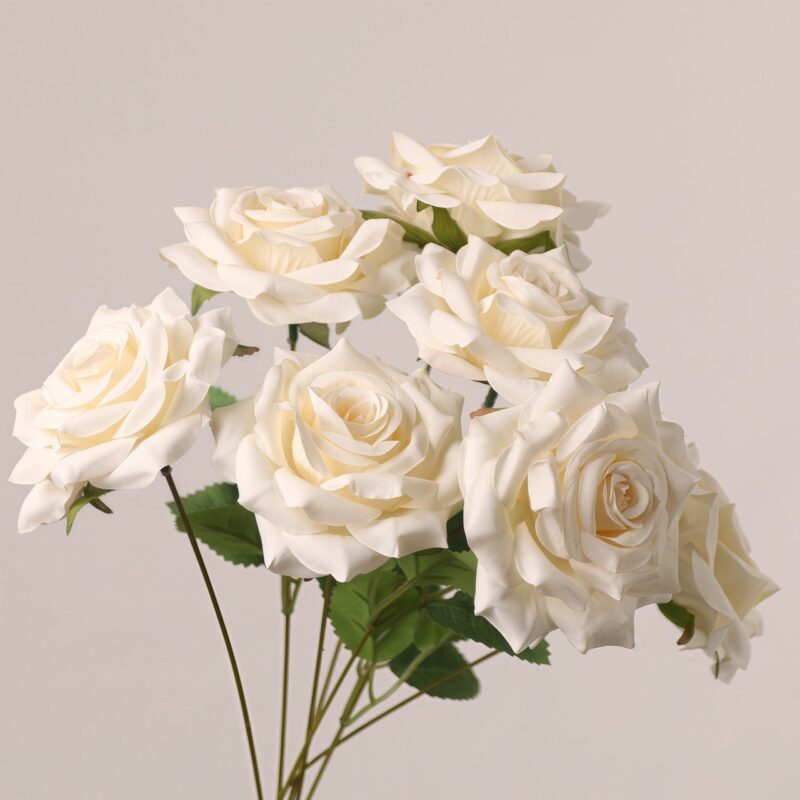
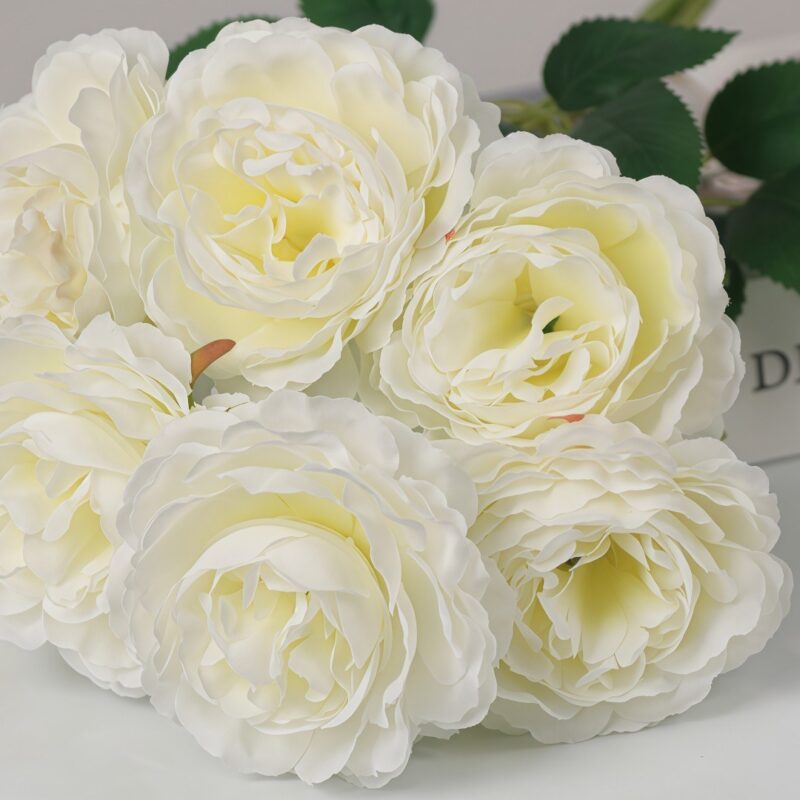
This is not about how long flowers last outdoors over a season. It is about a single afternoon — the six hours between install and the last dance, which is the only window that matters for outdoor wedding flowers, and the window in which almost all the failures happen.
Three things break outdoor wedding flowers: heat, wind, and the simple fact that everything gets installed hours before anyone sees it.
The Timeline Is the Real Enemy
An arch goes up at 11am for a 4pm ceremony. Tables are set before guests arrive. By the time the first photograph is taken, the flowers have already been standing in whatever the weather is doing for five hours.
That is the number to plan against. Not “will these flowers survive the day” but “how will these flowers look five hours after they were installed, in full sun, on a stand, with nobody watering them.”
Fresh flowers in foam have a hydration clock that starts the moment they leave the cooler. In direct sun on a hot day that clock runs fast, and hydrangea, dahlia, and anything with a large soft head are the first to show it. Roses, orchids, carnations, and most tropicals hold considerably longer.
Wind Is Underestimated Every Time
Heat gets the attention; wind causes the expensive failures. An arch with a full floral swag is a sail, and the more beautiful the design, the more surface area it presents.
What to do about it:
Weight the base properly. Sandbags or water weights on both feet, not decorative planters. A 7ft arch needs real ballast.
Guy it out if the site is exposed. Two discreet lines to stakes behind the arch, out of the camera’s line.
Attach flowers with zip ties or wire, not tape. Floral tape fails in heat and wind together.
Check the forecast for gusts, not average wind. A 12mph day with 30mph gusts is a 30mph day for your arch.
Have a plan to lower it. If the wind comes up, the ability to drop the arch quickly is worth more than any amount of anchoring.
For beach ceremonies, add salt spray and blown sand to the list. Both dull fresh petals within hours and both are largely irrelevant to faux material — one of the clearest cases where the material choice is not aesthetic.
Outdoor Wedding Flowers: What to Use Where
Setting
Main risk
Fresh works for
Faux is the safer call
Open lawn, midday sun
Heat, dehydration
Bouquets, personal flowers carried in shade
Arch, backdrop, anything installed early
Beach
Wind, salt, sand
Bouquets, handheld pieces
Everything installed and standing
Garden with tree cover
Manageable
Most things
Large installs left up all day
Tented reception
Trapped heat can be worse than outside
Table centres if the tent is ventilated
Suspended and structural pieces
Late afternoon or evening ceremony
Lowest risk overall
Most things
Pieces installed before noon
The pattern behind every row: fresh for what people hold and see up close; faux for what stands unattended in the sun. Applied consistently, it is the single biggest lever on how outdoor wedding flowers look at 4pm. That split also happens to be the cheapest way to allocate a budget, because the large installs are where the stem count — and the loss — is highest.
A Day-Of Contingency Plan
Write down three decisions before the morning of the wedding, and give them to whoever is running the day:
The wind call. At what point does the arch not go up, and who makes that call? Agree a threshold in advance, not at 10am with a crew standing there.
The shade fallback. If it is hotter than forecast, where do arrangements wait, and who moves them?
The rain move. Which pieces come inside, in what order, and do they fit through the door?
Most outdoor wedding flowers problems are not really floral problems. They are decisions nobody made until the weather forced them.
Practical Rules for Fresh Outdoors
If you are using fresh in an exposed setting, these help:
Install as late as the schedule allows. Every hour saved is real.
Stage in shade. Keep arrangements out of the sun until the last possible moment, including during photos.
Skip foam in direct sun. Foam heats up and stops delivering water. Water-source mechanics or hydrated stems in vessels hold up better.
Choose heat-tolerant material. Ask the florist specifically what will hold five hours at the forecast temperature, and accept that the answer may exclude your favourite flower.
Have replacements for the personal flowers. A backup bouquet is cheaper than the photos it saves.
Why Faux Changes the Install Plan
Faux pieces can go up the day before. That single fact removes most of the schedule pressure from the wedding morning, and it means the arch can be built calmly, checked, adjusted, and photographed before anyone is under time pressure.
They also survive the move to the reception without attrition, which is the other half of an outdoor day — see how to repurpose ceremony flowers for the flip plan, and the outdoor care guide if the pieces will live outside beyond the wedding itself.
One caution: faux is not immune to everything. Prolonged direct UV fades colour over seasons, and a single wedding day is nowhere near that threshold — but a piece installed on a sunny porch and left there for a summer is a different question entirely.
Before You Book Anything
Before you commit to any outdoor wedding flowers plan, walk the site at the ceremony hour, not at the tour hour. Note where the sun actually falls, which direction the wind comes from, and whether there is any shade within carrying distance of the staging area. Every decision above depends on those three answers, and none of them are in the venue brochure.
For reading forecasts usefully, the Beaufort scale translates wind speeds into what you will actually see happening on site — useful when deciding whether an arch goes up at all.
What time window should outdoor wedding flowers be planned against?
Not the season and not the whole day, but the five hours between install and the first photograph. An arch goes up at 11am for a 4pm ceremony, so the question is how the flowers will look five hours after they were installed, in full sun, on a stand, with nobody watering them. Fresh flowers in foam have a hydration clock that starts the moment they leave the cooler, and hydrangea, dahlia and anything with a large soft head are the first to show it.
Why is wind more dangerous than heat?
Heat gets the attention, but wind causes the expensive failures, because an arch with a full floral swag is a sail and the more beautiful the design the more surface area it presents. Weight the base with sandbags or water weights on both feet rather than decorative planters, guy it out to stakes behind the arch on exposed sites, attach flowers with zip ties or wire rather than tape, and read the forecast for gusts rather than average wind. A 12mph day with 30mph gusts is a 30mph day for your arch.
Where should you use fresh and where should you use faux outdoors?
Fresh for what people hold and see up close, such as bouquets and personal flowers carried in shade. Faux for what stands unattended in the sun: arches, backdrops, suspended and structural pieces, and anything installed before noon. On a beach, salt spray and blown sand dull fresh petals within hours and are largely irrelevant to faux, which is one of the clearest cases where the material choice is not aesthetic. That split also happens to be the cheapest way to allocate a budget, because the large installs are where the stem count is highest.
Is faux material immune to sun?
Not over time, but a single wedding day is nowhere near the threshold. Prolonged direct UV fades colour over seasons, so an arch that stands for one afternoon is a different question from a piece installed on a sunny porch and left there for a whole summer.
NB8 Floral supplies wholesale artificial flowers to florists, event professionals, and retailers in the US. Our guides are written from what we see in production, QC, and customer orders.
Dahlia is the flower that exposes how an artificial bloom was made, because its whole structure is petal tips and there is nowhere for a shortcut to hide.
Lilies and calla lilies sit in the same collection on most sites, including ours, and that grouping hides the fact that they do opposite things in an arrangement.
Most wedding flower budget advice is a single percentage — flowers are "about 8 to 10 percent of the total," a planning rule of thumb that has been repeated for decades. It is a fine starting point an
The arithmetic that starts most DIY plans is simple: the florist quoted $4,200, the stems cost $900, so DIY wedding flowers save $3,300. That number is wrong in both directions, and the gap between it
A palette chosen on a laptop screen in a bright room has almost nothing to do with how those flowers will look at 7pm in the room where the wedding actually happens. This is the most common and least
You picked the flower before you picked the date, and now the quote has come back at three times what you expected — or the answer is simply that nobody can get it that month. Wedding flowers out of s
Every wedding budget spreadsheet eventually arrives at the same idea: build the flowers once, use them twice. The ceremony arch becomes the head table garland, the aisle markers move to cocktail table