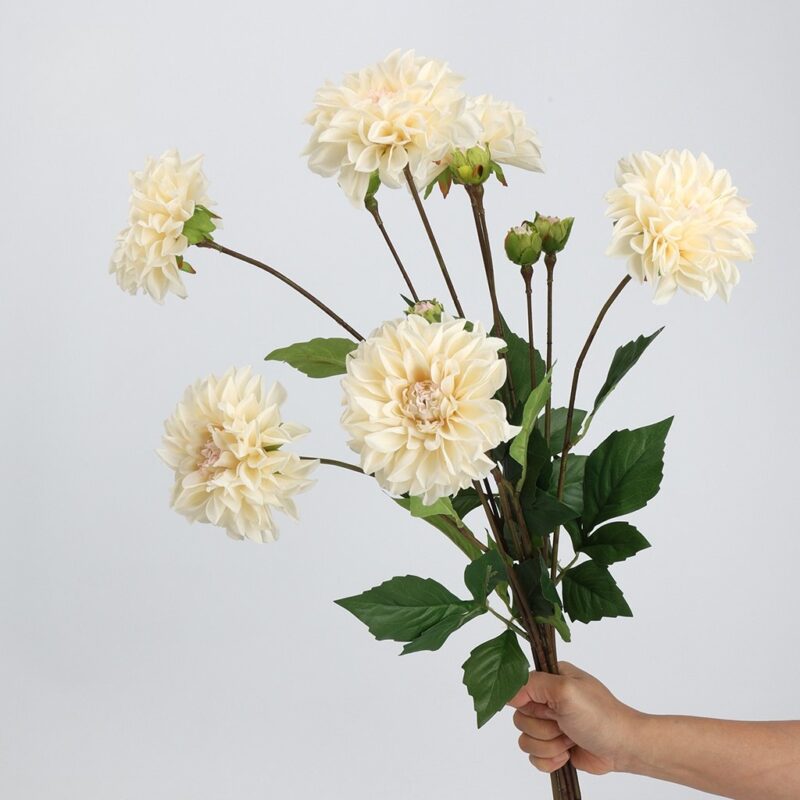
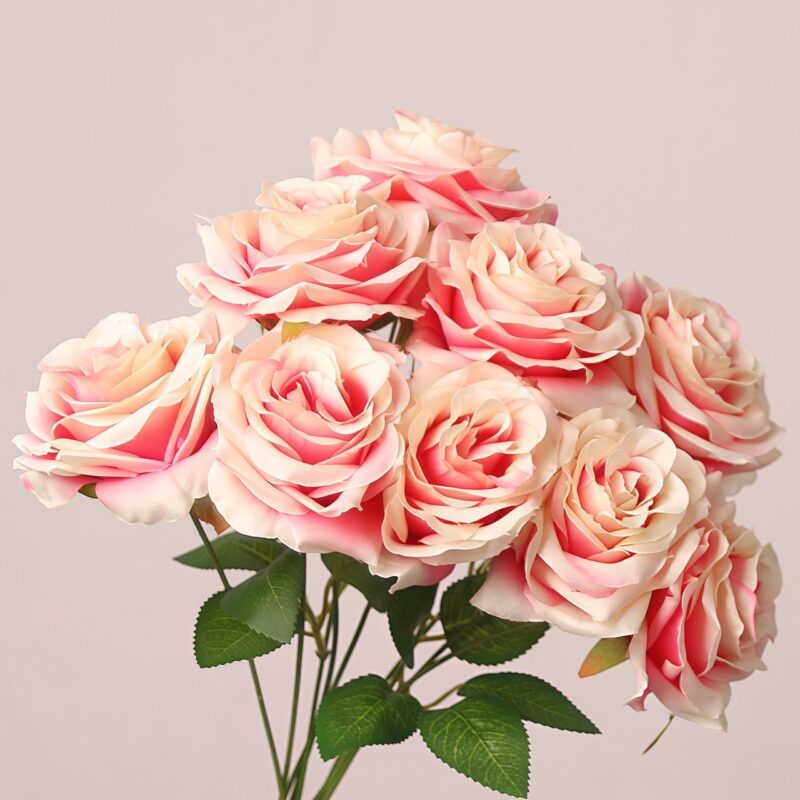
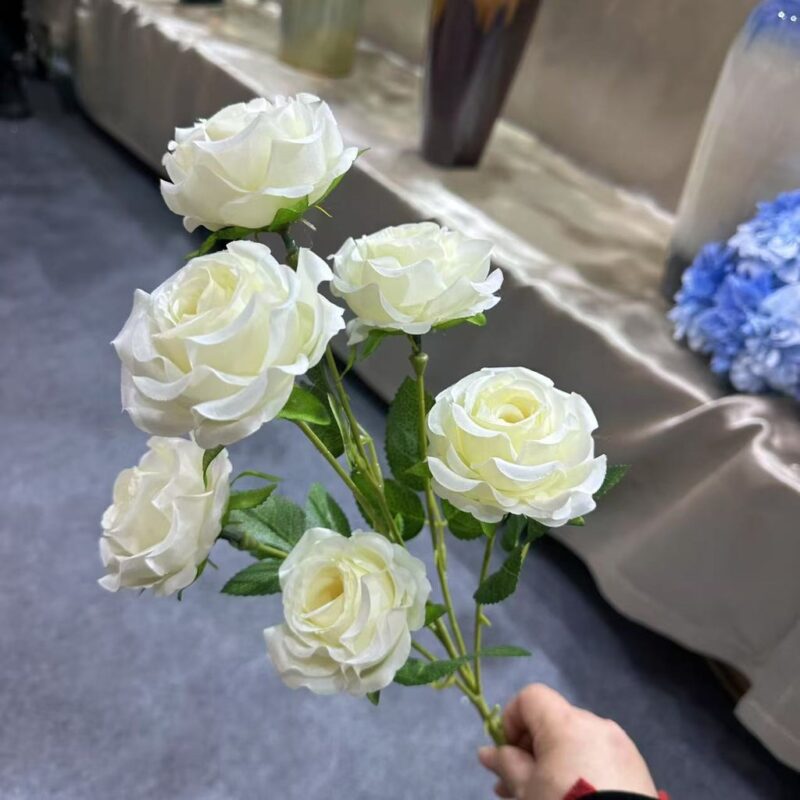
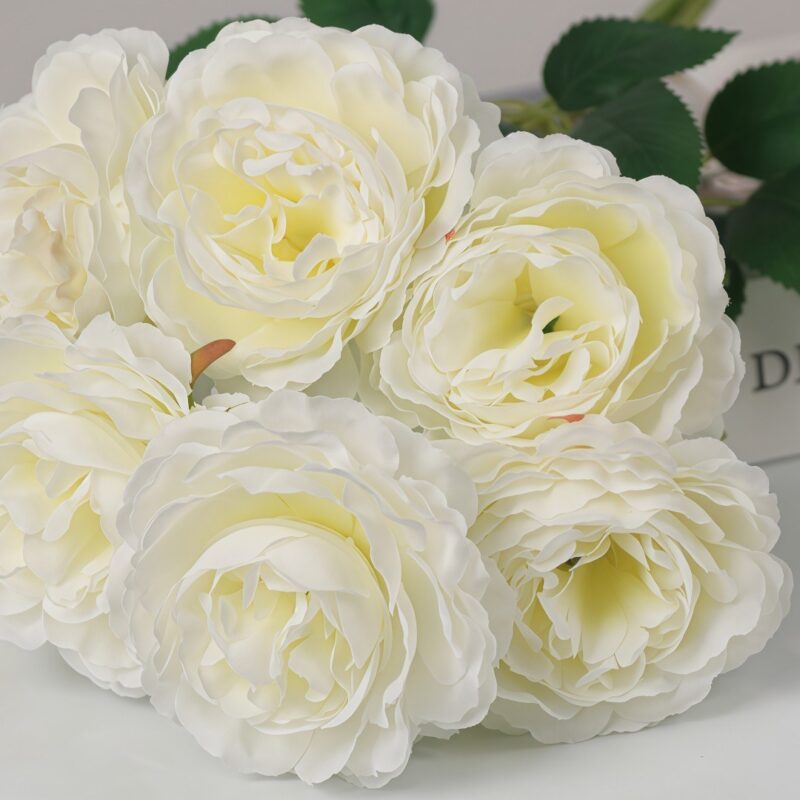
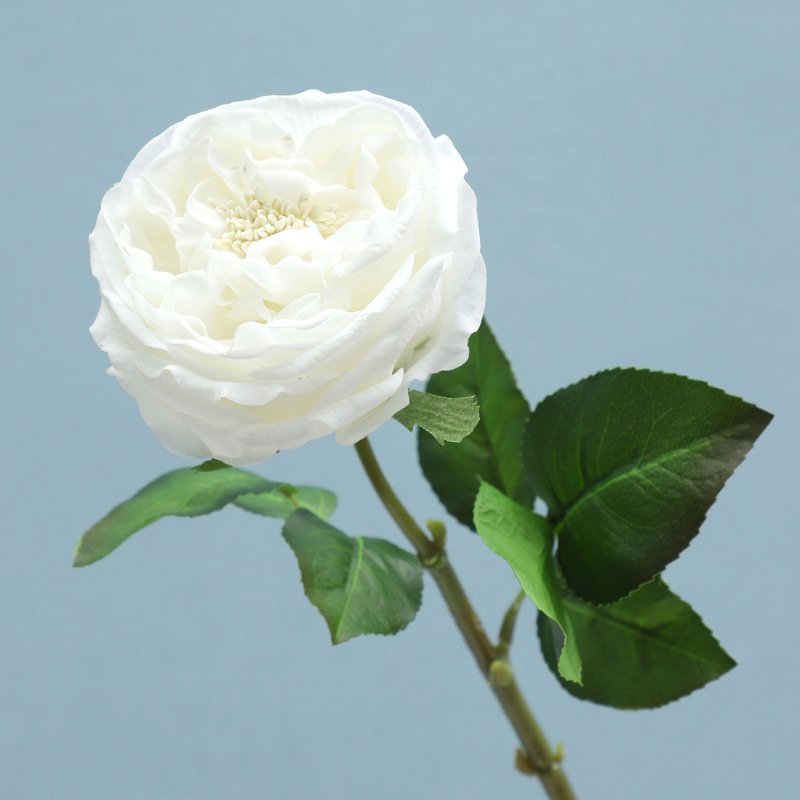
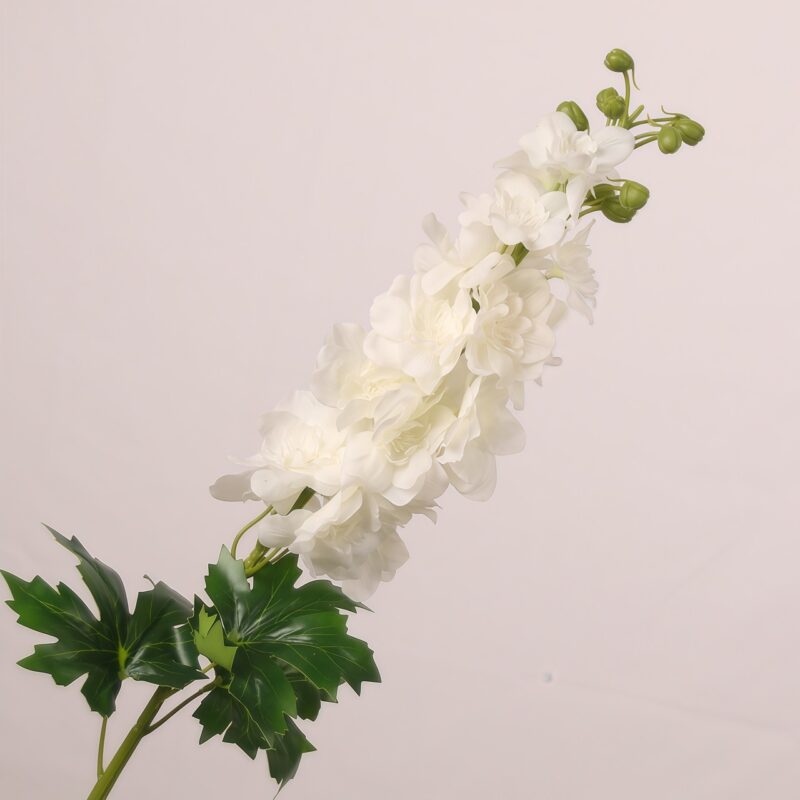
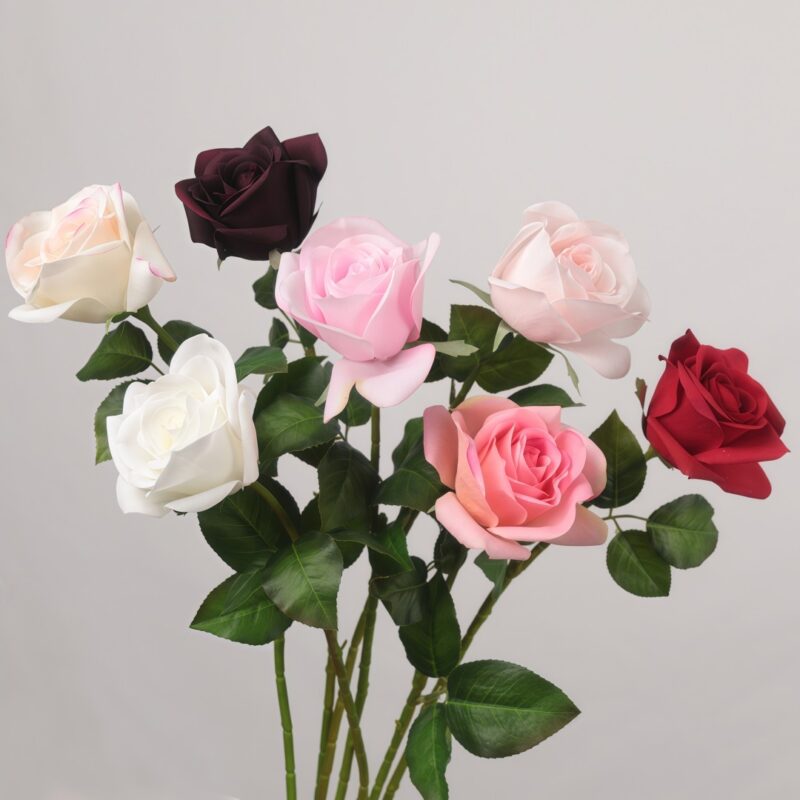
A palette chosen on a laptop screen in a bright room has almost nothing to do with how those flowers will look at 7pm in the room where the wedding actually happens. This is the most common and least discussed reason couples are disappointed by their flowers: the wedding flower colors were correct, and the light was not what anyone pictured.
Light does not just illuminate colour. It removes some of it.
What the Light in Your Venue Is Doing
Light has a colour temperature, measured in kelvin, and it biases everything under it.
Warm tungsten and filament bulbs (around 2700K) — the default in barns, restaurants, and most reception halls. Strongly yellow-orange. Pushes white toward cream, pulls blush toward peach or muddy beige, and can turn lavender a dull grey-brown.
Neutral LED (around 4000K) — common in modern event spaces and hotel ballrooms. Reasonably honest, slightly cool.
Daylight (5000–6500K) — open shade and overcast outdoor ceremonies. The most accurate light your flowers will ever sit in.
Direct midday sun — technically daylight, but so bright that it blows out pale colours entirely. White becomes a white shape with no visible texture.
Coloured uplighting — overrides everything. Amber uplighting will not let a cool pink stay cool, no matter what you paid for it.
Which Wedding Flower Colors Survive Which Room
Venue type
What happens
Palettes that hold up
Risky
Dark hall, moody lighting
Pastels vanish into the background
High-contrast: white, ivory, deep burgundy, saturated colour
Blush, dove grey, pale lavender
Warm wood, filament bulbs
Everything shifts yellow-orange
Terracotta, rust, cream, mustard, warm pink
Cool pink, lilac, icy white
Bright white ballroom
Honest rendering, but flat
Almost anything; add texture not saturation
Very pale monochrome — reads as empty
Outdoor, open sun
Pale colours wash out
Saturated colour, strong greenery for contrast
All-white and blush at midday
Outdoor, golden hour
Warm and flattering
Warm neutrals, peach, cream
Cool blues, which turn grey
Uplit or coloured-light rooms
Uplight colour wins
Match the uplighting or neutralise it
Anything expected to stay true
The pattern behind the table is simple: warm light eats cool colours, and low light eats pale ones. If the room is both warm and dim, a blush-and-grey palette has very little chance.
Two Palettes That Travel Well
If you are choosing wedding flower colors before you have seen the room lit, two palettes are unusually forgiving.
White with strong greenery. White is the only colour that stays legible from warm barns to dark halls to open sun, and dark foliage gives it the contrast it needs in low light. It is the safe choice, and it is safe for a reason.
A warm neutral spread — cream, champagne, terracotta, soft rust. Warm lighting flatters it instead of fighting it, daylight keeps it honest, and it does not collapse the way cool pastels do under filament bulbs.
The palettes that punish you are cool pastels: blush, lilac, dove grey, powder blue. They are beautiful in daylight photographs and they are the first casualties of a warm, dim room.
Value Matters More Than Hue in a Dark Room
In a low-light venue, the thing that makes flowers visible is not colour but value — how light or dark they are relative to their background. Blush against an ivory linen in a dim room is two nearly identical values, so the arrangement disappears into the table from ten feet away, which is where most guests will see it.
This is the part of choosing wedding flower colors that gets skipped, and it costs more than any other decision on this page. Fix it with contrast rather than more flowers: white blooms against dark greenery, or deep-toned blooms against a pale linen. A cheaper arrangement with strong value contrast photographs better than an expensive one that blends.
How to Test Before You Commit
This is where faux flowers have an advantage that fresh cannot match: you can hold the actual stems in the actual room, weeks in advance.
Get the stems early. One of each candidate is enough.
Visit at the right hour. A 4pm walkthrough tells you nothing about a 7pm reception. Go at the time of day your event runs, with the lighting set the way it will be set.
Photograph with the white balance locked, or simply look with your own eyes and trust them over the photo. Phone cameras auto-correct colour casts that guests will actually see.
Bring the linen swatch too. Flowers are never seen against white — they are seen against the table.
Check from ten feet, not one. Nobody at a wedding examines a centerpiece from six inches away except you.
If a faux stem is not available in time, the poor-man’s version is a 2700K bulb in a lamp at home. It will not be exact, but it will show you which of your candidates collapses under warm light.
For getting the palette itself consistent across multiple arrangements, the artificial flower color matching guide covers how colour varies between production batches — worth reading before you order stems from more than one style.
Practical Palette Advice by Room
Barn or warm-wood venue. Lean into it. Terracotta, cream, rust, and warm greens look intentional; cool pinks look like a mistake. Browse Assorted Florals.
Dark or dramatic hall. Use white as your brightener — it is the only colour that reliably reads in low light. See White Flowers.
Garden or open lawn. Greenery carries the design; flowers punctuate it. See Greenery.
Ballroom. Texture over saturation. Mixed head sizes in one colour family read as expensive; flat monochrome reads as bare.
For the technical background on why bulbs shift colour this way, the color temperature overview explains the kelvin scale in plain terms.
The One-Sentence Version
Choose your wedding flower colors in the room they will live in, at the hour they will be seen, against the linen they will sit on — and if you cannot do that with fresh flowers, that is a reason to make at least the test stems faux.
How does venue lighting change wedding flower colours?
Light does not just illuminate colour, it removes some of it. Warm tungsten and filament bulbs around 2700K, the default in barns, restaurants and most reception halls, push white toward cream, pull blush toward peach or muddy beige, and can turn lavender a dull grey-brown. Neutral LED around 4000K is reasonably honest. Daylight at 5000 to 6500K is the most accurate light your flowers will ever sit in, while direct midday sun is so bright it blows out pale colours entirely. Coloured uplighting overrides all of it.
Which palettes are safest if you have not seen the room lit?
Two are unusually forgiving. White with strong greenery, because white is the only colour that stays legible from warm barns to dark halls to open sun, and dark foliage gives it the contrast it needs in low light. And a warm neutral spread of cream, champagne, terracotta and soft rust, which warm lighting flatters instead of fighting and daylight keeps honest. The palettes that punish you are cool pastels: blush, lilac, dove grey and powder blue are beautiful in daylight photographs and the first casualties of a warm, dim room.
Why does value matter more than hue in a dark venue?
Because in low light what makes flowers visible is how light or dark they are relative to their background, not their colour. Blush against an ivory linen in a dim room is two nearly identical values, so the arrangement disappears into the table from ten feet away, which is where most guests will see it. Fix it with contrast rather than more flowers: white blooms against dark greenery, or deep-toned blooms against a pale linen. A cheaper arrangement with strong value contrast photographs better than an expensive one that blends.
How can you test a palette before committing to it?
Get one stem of each candidate early and take them into the actual room at the hour your event runs, with the lighting set the way it will be set, because a 4pm walkthrough tells you nothing about a 7pm reception. Bring the linen swatch, since flowers are never seen against white but against the table, and look from ten feet rather than one. Trust your own eyes over the phone photo, because phone cameras auto-correct colour casts that guests will actually see. If stems cannot arrive in time, a 2700K bulb in a lamp at home will at least show you which candidate collapses under warm light.
NB8 Floral supplies wholesale artificial flowers to florists, event professionals, and retailers in the US. Our guides are written from what we see in production, QC, and customer orders.
Dahlia is the flower that exposes how an artificial bloom was made, because its whole structure is petal tips and there is nowhere for a shortcut to hide.
Lilies and calla lilies sit in the same collection on most sites, including ours, and that grouping hides the fact that they do opposite things in an arrangement.
Most wedding flower budget advice is a single percentage — flowers are "about 8 to 10 percent of the total," a planning rule of thumb that has been repeated for decades. It is a fine starting point an
The arithmetic that starts most DIY plans is simple: the florist quoted $4,200, the stems cost $900, so DIY wedding flowers save $3,300. That number is wrong in both directions, and the gap between it
This is not about how long flowers last outdoors over a season. It is about a single afternoon — the six hours between install and the last dance, which is the only window that matters for outdoor wed
You picked the flower before you picked the date, and now the quote has come back at three times what you expected — or the answer is simply that nobody can get it that month. Wedding flowers out of s
Every wedding budget spreadsheet eventually arrives at the same idea: build the flowers once, use them twice. The ceremony arch becomes the head table garland, the aisle markers move to cocktail table