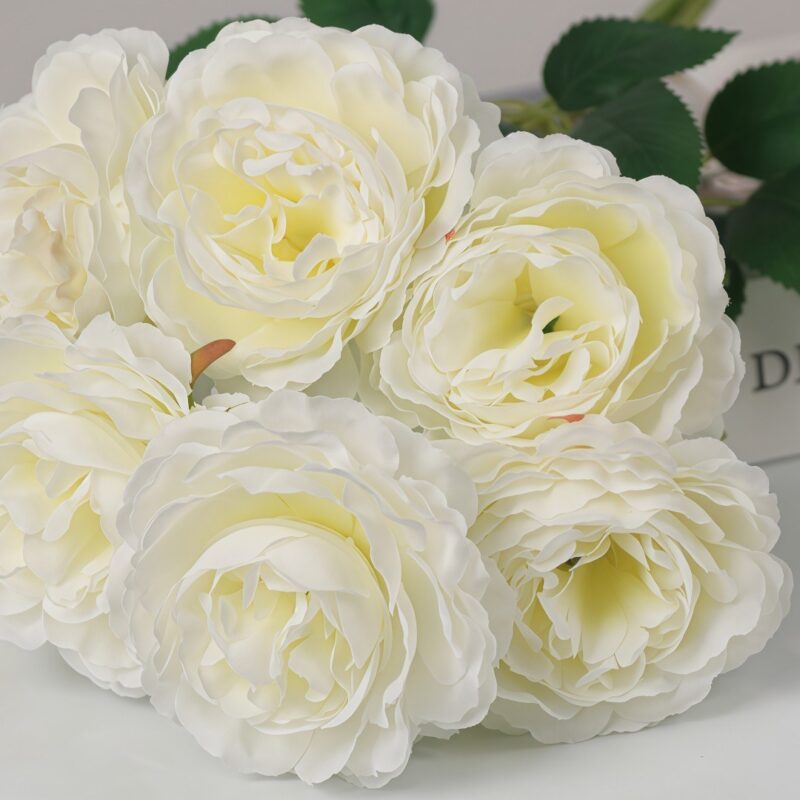
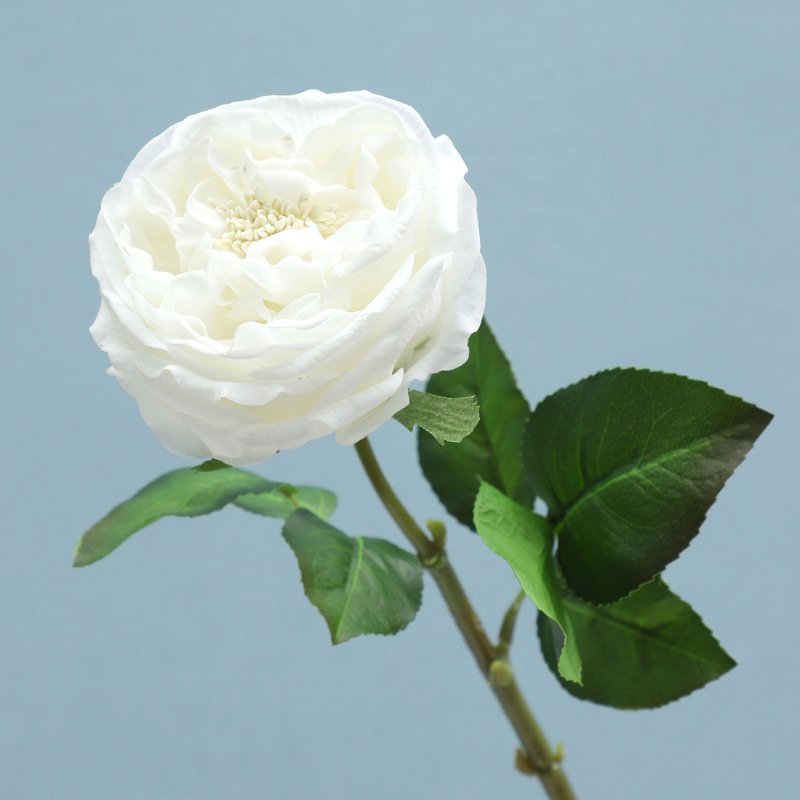
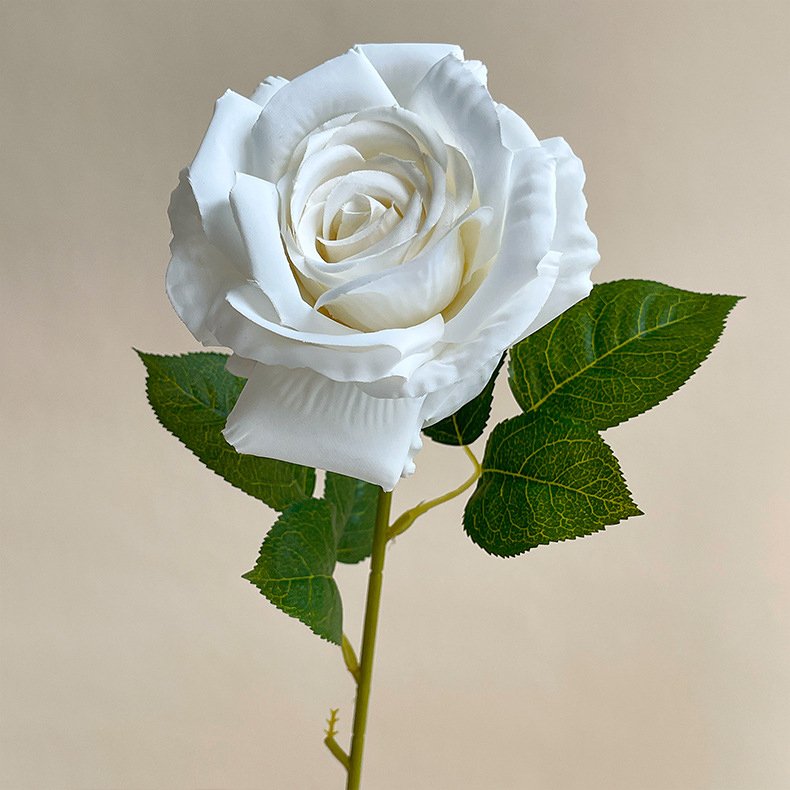
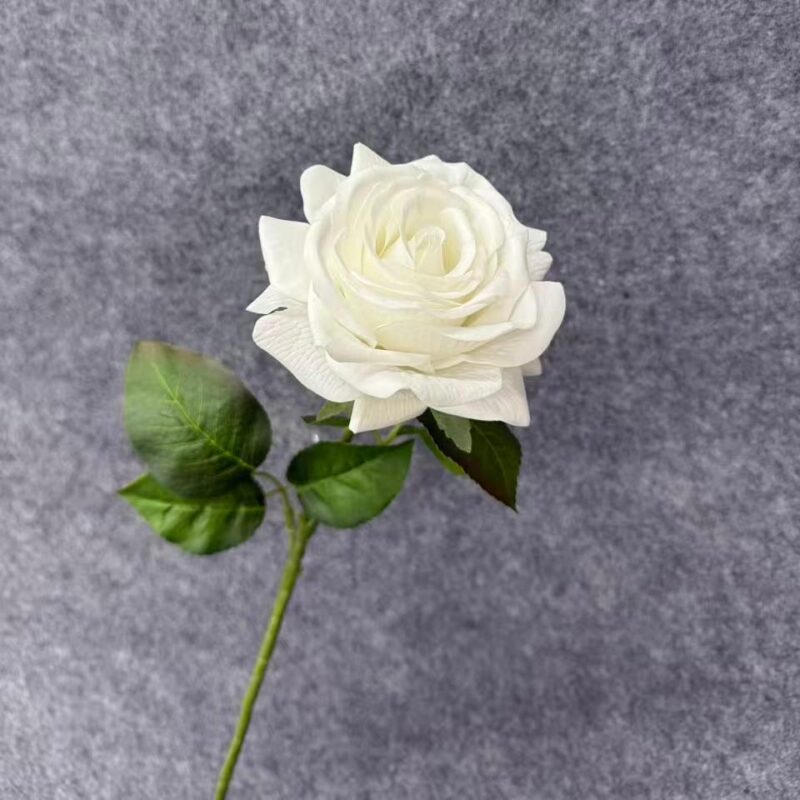
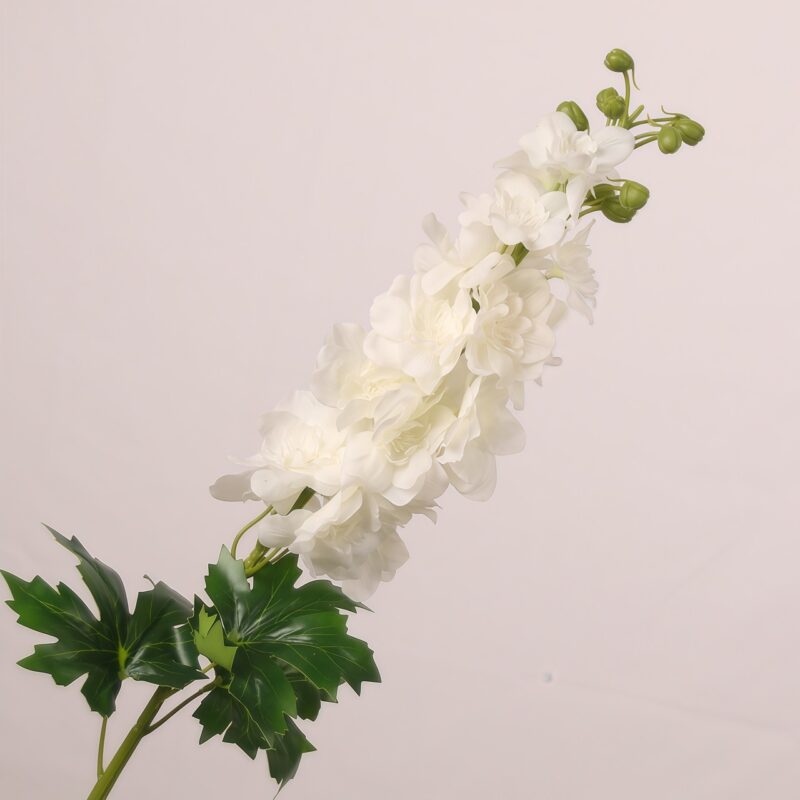
Wedding artificial flowers can make wedding planning more flexible, especially when the design needs consistent color, early preparation, reusable decor, or flowers that stay beautiful through a long event day. For brides, wedding planners, florists, decorators, venues, and wholesale buyers, faux wedding flowers are no longer only a backup choice. They can be part of a planned floral design strategy.
The key is choosing the right artificial flowers for the right wedding use. A bridal bouquet needs a different level of realism than a ceiling installation. A sweetheart table arrangement needs a different structure than an aisle marker. A flower wall needs volume, while a close-up centerpiece needs texture and color control.
NB8 Floral has worked in the artificial flower industry for more than 20 years, and one lesson is clear: wedding artificial flowers work best when buyers plan by scene, not only by flower type. This guide explains how to choose artificial flowers for bouquets, centerpieces, arches, aisle decor, reception styling, and wholesale wedding projects.
Why Use Artificial Flowers For Weddings?
Artificial flowers are useful for weddings because they can be prepared earlier, reused in multiple areas, and reviewed before the wedding day. They also help reduce some of the timing pressure that comes with fresh flowers.
Wedding artificial flowers can be useful when:
- The wedding design needs a specific color palette.
- The venue setup starts early.
- The flowers need to stay consistent through a long event.
- The decor will be transported between ceremony and reception areas.
- The buyer wants samples before confirming a larger order.
- The flowers may be reused for photos, parties, retail displays, or future events.
- The design uses large-scale decor such as arches, flower walls, welcome signs, or ceiling installations.
Artificial flowers are not the right answer for every wedding or every couple. Some buyers prefer fresh flowers for fragrance, tradition, or seasonal design. But for many practical wedding projects, high-quality faux flowers can make planning easier and more predictable.
Start With The Wedding Scene
Before choosing flower types, divide the wedding into scenes. This helps buyers decide where realism matters most and where volume matters more.
Common wedding flower scenes include:
- Bridal bouquet.
- Bridesmaid bouquets.
- Boutonnieres and corsages.
- Ceremony arch.
- Aisle markers.
- Welcome sign flowers.
- Seating chart flowers.
- Centerpieces.
- Sweetheart table.
- Cake table.
- Bar decor.
- Photo backdrop.
- Flower wall.
- Reception installations.
Each scene has a different viewing distance. A bouquet is held and photographed closely. A ceremony arch may be viewed from several feet away. A ceiling installation may need color and volume more than close-up petal texture.
This is why one wedding may use real touch flowers for bouquets, silk-style flowers for volume, greenery for shape, and filler flowers for softness.
Choosing Artificial Flowers For Bridal Bouquets
The bridal bouquet is one of the most important floral pieces in a wedding. It appears in portraits, ceremony photos, detail shots, and reception moments. It is also held for a long time, so texture, weight, stem feel, and flower shape matter.
For bridal bouquets, buyers should consider:
- Petal texture.
- Flower head size.
- Stem flexibility.
- Color softness.
- Weight of the full bouquet.
- How the bouquet looks in close-up photos.
- Whether the flowers match the dress, venue, and wedding palette.
Real touch flowers can be a strong choice for bridal bouquets because they are designed for close-up realism. Real touch roses, peonies, tulips, orchids, hydrangeas, and calla lilies can work well when the style fits the wedding design.
Silk-style flowers can also work for bouquets, especially when buyers want lighter weight, broader color options, or a softer fabric-like look.
The safest approach is to order samples before committing to the full bouquet plan. Samples help confirm color, feel, scale, and how the flowers look together.
Bridesmaid Bouquets And Smaller Personal Flowers
Bridesmaid bouquets usually need to coordinate with the bridal bouquet without competing with it. They can use similar flower types in smaller quantity, softer color combinations, or simplified shapes.
For bridesmaid bouquets, buyers should check:
- Whether the color matches bridesmaid dresses.
- Whether the bouquet size is comfortable to carry.
- Whether the flower style supports the overall wedding theme.
- Whether the bouquet looks balanced in group photos.
Boutonnieres and corsages need smaller flowers, greenery, and secure construction. Lightweight stems and smaller accents are often easier to use for personal flowers.
Centerpieces And Reception Tables
Centerpieces are close-view designs because guests sit near them for a long time. Artificial flowers used in centerpieces should look polished from multiple angles.
For reception tables, buyers should consider:
- Table size and shape.
- Vase height.
- Guest sightlines.
- Candle placement.
- Table linen color.
- Venue lighting.
- Whether the centerpiece will be reused or moved.
Low centerpieces usually need flowers with good face shape because guests see them from above and across the table. Tall centerpieces need stable stems, balanced weight, and enough volume to look full without blocking conversation.
Real touch flowers can work well for premium tables, sweetheart tables, and close-up areas. Silk-style flowers, greenery, and filler flowers can help build volume and movement.
Ceremony Arches And Aisle Decor
Wedding arches need structure. The flowers must look good from the front, sides, and in photos. Buyers should consider shape, size, attachment method, and how much volume is needed.
For ceremony arches, artificial flowers are useful because they can be prepared before the event and installed earlier. They can also be reused for reception decor or photo backdrops.
A strong arch design may include:
- Larger focal flowers.
- Medium support flowers.
- Greenery for movement.
- Filler flowers for softness.
- Flexible stems for shaping.
- Accent colors that match the wedding palette.
Aisle decor can be simpler. Aisle markers, chair flowers, pew flowers, and ground arrangements often use smaller bundles, greenery, ribbons, or repeated floral pieces.
If guests will walk close to the aisle flowers, use better-looking flowers in the most visible areas. If the flowers are mostly background decor, volume and color harmony may matter more than petal texture.
Flower Walls, Backdrops, And Large Installations
Large wedding installations need planning by quantity, weight, and viewing distance. A flower wall or photo backdrop may require many stems, panels, or floral clusters. A ceiling installation may need lightweight materials and secure structure.
For large decor, buyers should ask:
- How far away will guests view the flowers?
- Will the decor be touched?
- Does the design need close-up realism or mainly color volume?
- How will the flowers attach to the structure?
- Will the decor be transported?
- Will the flowers be reused?
- Is the installation indoors or outdoors?
For large-scale wedding decor, it is often practical to mix flower types. Use higher-realism flowers in close-view areas and silk-style flowers, greenery, and fillers for volume.
Choosing Wedding Flower Colors
Color is one of the most important parts of wedding floral design. Artificial flowers can help buyers plan a consistent palette, but color still needs careful review.
Common wedding color families include:
- Ivory and white.
- Blush and soft pink.
- Champagne and beige.
- Dusty rose and mauve.
- Peach and coral.
- Burgundy and wine.
- Sage and eucalyptus green.
- Blue and dusty blue.
- Lavender and lilac.
- Terracotta and warm neutral colors.
Photos can help narrow the direction, but samples are better for final decisions. A flower that looks blush online may look peach in natural light. A white flower may look warm ivory beside a wedding dress. A dusty color may look different under warm venue lighting.
Before confirming a wedding order, review samples next to fabric swatches, invitation colors, table linens, bridesmaid dresses, and other decor materials.
Real Touch Flowers vs. Silk-Style Flowers For Weddings
Both real touch flowers and silk-style flowers can work well for weddings. The right choice depends on where the flower will be used.
Use real touch flowers when:
- The flowers will be held.
- Guests will see them closely.
- The design needs a premium petal feel.
- The flowers will be used in bouquets, centerpieces, or detail photos.
- The buyer wants a more natural texture.
Use silk-style flowers when:
- The design needs more volume.
- The flowers are used in arches, garlands, backdrops, or large decor.
- Lightweight stems are important.
- The buyer needs broader color or style options.
- Budget and quantity need to stay practical.
Many wedding designs use both. Real touch flowers can be placed in high-visibility areas, while silk-style flowers create scale and movement.
Learn more about real touch flowers here: Real touch flowers guide
Request Samples Before A Wedding Order
Samples are especially important for wedding artificial flowers because small differences in color, size, and texture can affect the whole event design.
When reviewing wedding flower samples, check:
- Color in daylight and venue-style lighting.
- Petal texture.
- Flower head size.
- Stem length and flexibility.
- How the flowers look with greenery.
- How the flowers look in photos.
- Whether the flowers match the design mood.
- Whether the flowers arrive in good condition.
Samples are useful for brides, planners, florists, decorators, and wholesale buyers. They help confirm the design before buying larger quantities.
Request samples here: Request samples
US Stock vs. Pre-Order For Wedding Artificial Flowers
Timing matters in wedding planning. Some buyers need flowers quickly for samples, urgent events, or last-minute decor. Others are planning months ahead and need broader selection.
US stock artificial flowers are useful when:
- The wedding date is close.
- Samples are needed quickly.
- The buyer wants faster domestic fulfillment in the United States.
- The order is smaller or time-sensitive.
- The buyer needs to test a style before a larger plan.
Browse US stock options: US stock artificial flowers
Pre-order artificial flowers are useful when:
- The wedding is planned in advance.
- The buyer needs a larger quantity.
- The design requires specific colors.
- The buyer is preparing for wedding season.
- The project needs more style options.
Explore pre-order options: Pre-order artificial flowers
For wedding planners and wholesale buyers, a good process is to sample early, confirm the final flower mix, and then plan quantity by wedding scene.
How To Estimate Wedding Artificial Flower Quantity
Quantity depends on the design style, flower size, arrangement type, and how full the buyer wants the decor to look. Instead of estimating the whole wedding at once, plan by item.
Create a list like this:
- Bridal bouquet: main flowers, support flowers, greenery, filler.
- Bridesmaid bouquets: quantity per bouquet multiplied by number of bridesmaids.
- Boutonnieres: small flowers, greenery, accents.
- Ceremony arch: focal flowers, support flowers, greenery, filler.
- Aisle markers: repeated bundles or ground pieces.
- Centerpieces: quantity per table multiplied by number of tables.
- Sweetheart table: front-facing flowers and greenery.
- Welcome sign: corner flowers and greenery.
- Cake table: small accent flowers.
- Photo backdrop: volume flowers, greenery, filler.
Always include extra stems for design adjustments, damage replacement, and last-minute styling needs. The exact amount depends on the wedding design, so samples and mockups are useful before confirming a larger order.
How To Store And Prepare Artificial Wedding Flowers
Artificial flowers are easier to prepare early, but they still need care before the wedding.
Before the event:
- Unpack flowers carefully.
- Let flowers rest after shipping.
- Gently reshape petals and leaves.
- Separate flowers by scene.
- Label boxes for bouquet, arch, aisle, reception, and backup.
- Keep colors grouped and protected.
- Avoid crushing flower heads during transport.
After the event, flowers can often be reused if they are cleaned, reshaped, and stored carefully. Reuse depends on material, handling, weather, transport, and storage conditions.
Why Buy Wedding Artificial Flowers From NB8 Floral?
NB8 Floral supplies artificial flowers for weddings, events, home decor, retail, and wholesale buyers. With more than 20 years of industry experience, NB8 Floral understands that wedding flowers need more than attractive photos. Buyers need clear material selection, color review, samples, stock timing, and practical support for real wedding scenes.
Whether you are planning a bridal bouquet, ceremony arch, reception table, retail wedding display, or wholesale wedding flower assortment, start with the scene, order samples, and choose flowers that fit the final use.
Recommended starting points:
FAQ
Are artificial flowers good for weddings?
Yes. Artificial flowers can be a practical choice for weddings because they can be prepared early, reviewed through samples, reused in multiple areas, and kept consistent through the event day.
What artificial flowers are best for bridal bouquets?
Real touch flowers and high-quality silk-style flowers can both work for bridal bouquets. Real touch flowers are useful for close-up realism, while silk-style flowers can offer lighter weight and broader color options.
Should I order samples before buying wedding artificial flowers?
Yes. Samples help confirm color, texture, size, stem flexibility, and how the flowers look in photos before buying larger quantities.
Can artificial wedding flowers be reused?
Many artificial wedding flowers can be reused if they are handled, packed, cleaned, reshaped, and stored carefully after the event.
Should I choose US stock or pre-order wedding flowers?
US stock is useful for faster fulfillment, urgent samples, or near-term events. Pre-order is better for planned weddings, larger quantities, specific colors, and broader style selection.
How do I estimate flower quantity for a wedding?
Estimate by wedding scene instead of guessing one total number. Plan separately for bouquets, boutonnieres, arches, aisle decor, centerpieces, welcome signs, sweetheart tables, and photo backdrops.
Flowers mentioned in this guide
- Greenery — PU Leaf – ZZYH3500, Plastic Leaf – GZJT3008, PU Greenery – R-GZWH6000, Silk Hanging Amaranthus Stem – RC4007
- Real Touch Flowers — Real Touch Rose – GZHJ6005, Real Touch Calla Lily – YX4000-2, Real Touch Hydrangea TJ8006, Real Touch Daisy – YWKX3001
- Roses — Real Touch Rose – MY3005, Silk Rose – A-TJXH2000, Silk Rose – 67-YWMR2002, Real Touch Rose –JY0005
- Peonies — Silk Peony 2 Heads – 72-YWMR5003, Silk Peony 7 Heads – TJCL7005, Silk Peony 2 Heads – YWKX4008, Silk Peony 2 Heads – XHFY5008